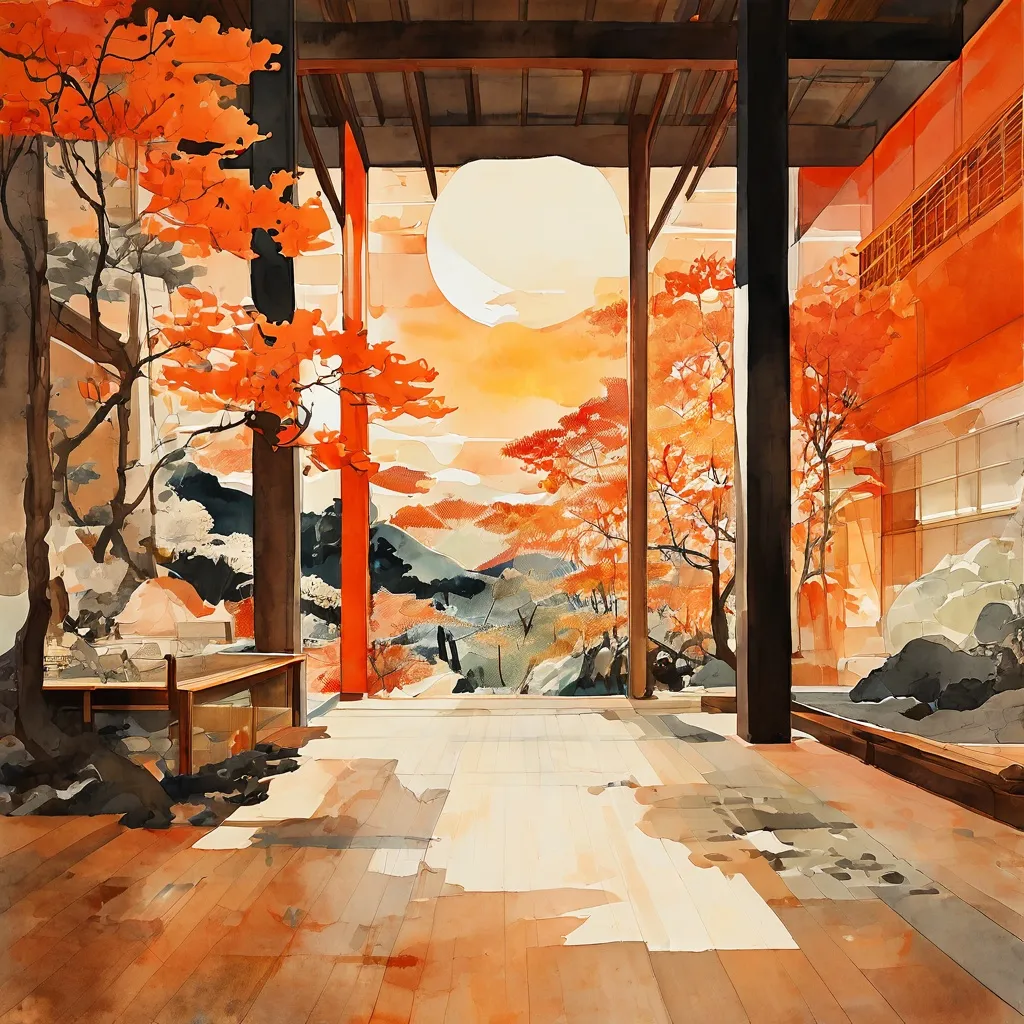
Rijksmuseum Amsterdam Highlights Generations of Pioneering Japanese Female Printmakers
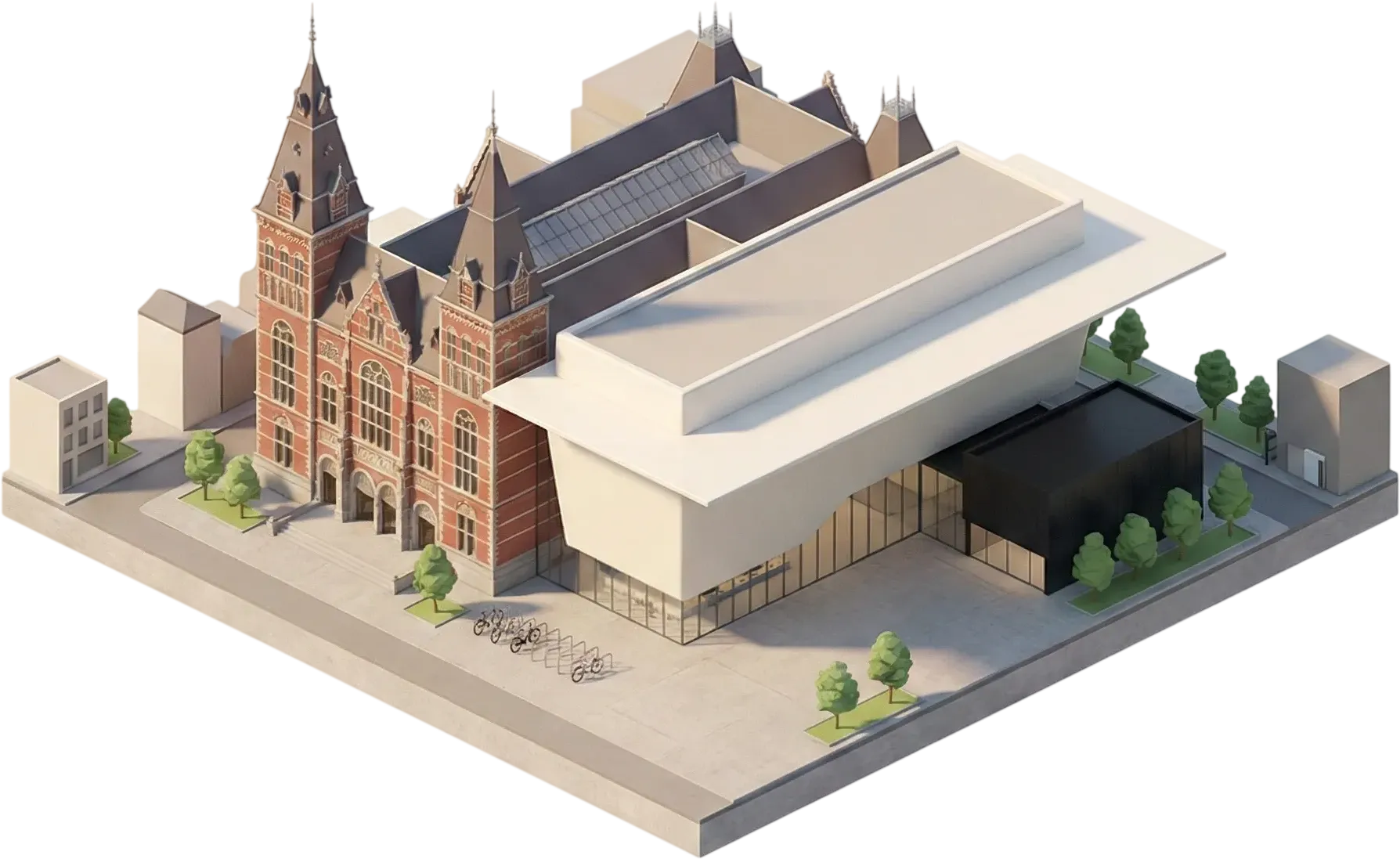
The renowned Rijksmuseum in Amsterdam is currently featuring an exhibition showcasing the remarkable work of three generations of female Japanese printmakers from the esteemed Yoshida artistic family. This special presentation, located in the museum's Asian Pavilion, allows visitors to explore the unique styles developed by these influential artists. The display includes fifteen prints and one watercolor, many of which were generously gifted to the museum by contemporary artist Ayomi Yoshida. The exhibition runs from its opening in late April until 13 October 2024.
Exploring the Art of Three Generations
The exhibition offers a rare opportunity to delve into the distinct artistic journeys of Fujio Yoshida (1887–1987), her daughter Chizuko Yoshida (1924–2017), and granddaughter Ayomi Yoshida (b. 1958). Each artist carved out an individual path within the field of Japanese printmaking, pushing boundaries and challenging conventions of their time.
Fujio Yoshida's Abstract Evolution
Fujio Yoshida displayed significant artistic talent from a young age, becoming the sole female student admitted to Tokyo's Fudosha painting school at just 12. She dedicated her career to advocating for fellow female artists and was an active member of Japan’s first association for women painters. While she primarily created figurative art until 1950, her interest in abstraction grew, especially after her husband's passing. The prints she produced in the 1950s often drew inspiration from natural forms like flowers and plants. Visitors can see six of her pieces, including "Roses" (1915–1920), "Myoga Ginger" (1953), and "Yellow Iris" (1954).
Chizuko Yoshida's Musical Impressions
Chizuko Yoshida initially worked with oils before shifting her focus to prints from 1953 onwards, frequently incorporating musical themes into her art. She was also a co-founder of an organization dedicated to supporting and exhibiting the work of female printmakers in Japan. Her early prints captured the essence of sound, such as falling rain depicted through musical notes, a theme that continued throughout her career. The Asian Pavilion features seven of her works, exploring subjects like butterflies, music, and various forms of sound.
Ayomi Yoshida's Contemporary Creations
Ayomi Yoshida's contributions to the exhibition highlight her use of patterns and textures. She created two new works specifically for the Rijksmuseum: "Sudden Rain" (2024) and the installation "Taki" (2024). "Sudden Rain," a deep blue piece on large-format handmade washi paper, is inspired by the unexpected Dutch rain showers. "Taki," meaning waterfall, is an installation crafted from traditional Japanese washi paper, referencing the spiritual significance of waterfalls in Japanese culture where they are considered divine places. These two special pieces are prominently displayed in the Asian Pavilion.
This unique exhibition offers a compelling look at the artistic legacies and individual innovations of three remarkable women who significantly shaped Japanese printmaking. To plan your visit and discover more about cultural experiences, explore other museums in Amsterdam or see what's on during your trip, all available on Musemap (musemap.art).