Amsterdam
News

Stedelijk Museum's 'Blue Dots' Exhibition Re-evaluates Cold War Art Classifications

News from Stedelijk Museum Amsterdam

The Stedelijk Museum Amsterdam presents the 'Blue Dots' exhibition, exploring a Cold War-era classification system that marked artworks for evacuation based on perceived importance. This exhibition brings to light pieces once deemed 'less important,' prompting reflection on how artistic value and museum collections evolve over time.

ExhibitionContemporary ArtHistoryCollectionDutch Art
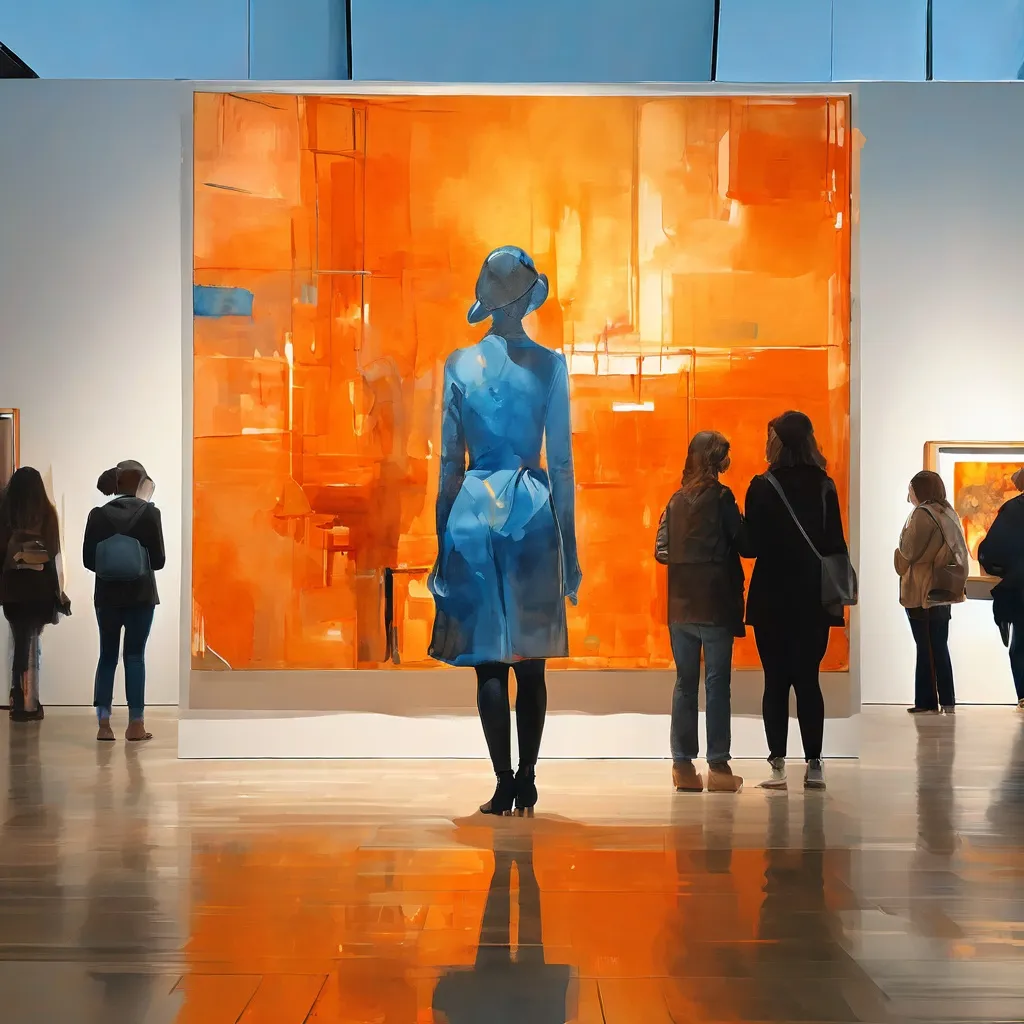
A conceptual image illustrating the historical re-evaluation of art, featuring a vintage painting with a subtle blue dot, set within the context of the Stedelijk Museum Amsterdam.

Stedelijk Museum Amsterdam Unveils 'Blue Dots' Exhibition, Re-evaluating Art's Historical Value

The Stedelijk Museum Amsterdam is set to open its new exhibition, "Blue Dots," on November 29 in the IMC Gallery. This unique presentation invites visitors to look back at a surprising period of geopolitical tension—the Cold War—and its unexpected influence on how art collections were valued.

A Glimpse into Cold War Art Classification

In 1951, the Dutch government implemented a system requiring museums to categorize their collections for potential evacuation during wartime. This system used colored "evacuation dots" to prioritize artworks: red for "very important," white for "important," and blue for "less important."

Curator Nadia Abdelkaui, who joined the Stedelijk in 2024, uncovered this classification system during her research. She noted that while the practice was standard at the time, it had largely been forgotten. Her investigation revealed that the system primarily applied to paintings; other collections like sculpture, drawing, applied art, photography, graphic design, and industrial design were either partially classified or deemed less significant. The focus on "autonomous, non-reproducible art" meant that traditional and modern figurative paintings often received a blue dot.

Bringing 'Blue Dot' Artworks Back into Focus

The "Blue Dots" exhibition shines a spotlight on pieces that were once relegated to the "less important" category. These include works by notable 19th-century artists such as Jozef Israëls and Thérèse Schwartze, alongside lesser-known names like José Maria Rodriguez-Acosta and Marie de Roode-Heijermans. Nola Hatterman, an artist now celebrated, also had her work marked with a blue dot, including her 1930 oil on canvas 'Louis Richard Drenthe / On the Terrace'.

Rein Wolfs, director of the Stedelijk Museum Amsterdam, highlighted how the exhibition demonstrates the shifting perspectives on art. He noted that Nola Hatterman's 'Op het terras' is now considered a key work in the museum's permanent collection, having even been featured in a major exhibition about The Harlem Renaissance in New York. This evolution underscores how narratives around art are continuously reinterpreted.

Between 1951 and 1965, approximately 10% of the museum's artworks, predominantly still lifes, landscapes, and cityscapes, were assigned a blue dot. This largely reflected the Stedelijk's modernist orientation at the time, under director Willem Sandberg, who favored abstract and expressionist works and innovation in art.

Exploring Evolving Perspectives on Art and Culture in Amsterdam

Seventy-five years later, "Blue Dots" prompts reflection on what truly holds importance and what we aim to preserve for future generations. The exhibition offers a unique opportunity for visitors to engage with the museum's history, the criteria that shaped its collection in a specific era, and how those valuations have transformed over time. It’s a chance to consider how cultural institutions respond to external pressures and how the perception of art evolves.

To discover more cultural experiences in the city, visit Musemap (musemap.art) and explore other museums in Amsterdam or use our search tool to find specific interests.


Related museum topics and stories from Stedelijk Museum Amsterdam in Amsterdam
Explore connected topics from this article
Use topics from "Stedelijk Museum's 'Blue Dots' Exhibition Re-evaluates Cold War Art Classifications" to discover related museum stories, film programs, and cultural events connected to Stedelijk Museum Amsterdam in Amsterdam.
Stedelijk Museum Blue DotsBlue Dots exhibition AmsterdamCold War art classificationart collection re-evaluationNola Hatterman StedelijkAmsterdam art museummodern and contemporary art Amsterdamart history exhibitionvisit Stedelijk Museum
Related visitor FAQ for this news article
Helpful answers connected to this news topic
Browse quick visitor questions shown for this article, then open the full Stedelijk Museum Amsterdam FAQ page in Amsterdam to explore broader planning information.

What is the 'Blue Dots' exhibition about?

The 'Blue Dots' exhibition at the Stedelijk Museum explores a historical classification system from the Cold War era that categorized artworks for evacuation, highlighting pieces once considered 'less important' based on their perceived value.

When does the 'Blue Dots' exhibition open?

The 'Blue Dots' exhibition is scheduled to open on November 29 at the Stedelijk Museum Amsterdam.

Where is the 'Blue Dots' exhibition located within the museum?

The exhibition will be hosted in the IMC Gallery at the Stedelijk Museum Amsterdam.

What kind of artworks are featured in the exhibition?

The exhibition features paintings by both renowned 19th-century artists and lesser-known names, including works by Nola Hatterman, Jozef Israëls, and Thérèse Schwartze, all of which were once assigned 'blue dots'.

What was the historical 'blue dot' system?

In 1951, the Dutch government introduced a system requiring museums to categorize their collections for wartime evacuation, using dots to indicate importance. Blue dots marked works deemed 'less important' for salvation.

How does this exhibition relate to the Stedelijk Museum's history?

'Blue Dots' offers insight into the museum's modernist orientation during the Cold War, where abstract and expressionist paintings were often prioritized over more traditional or modern figurative works, which were frequently relegated to the 'less important' category.

About Stedelijk Museum Amsterdam in Amsterdam

Stedelijk Museum Amsterdam Overview

Amsterdam · Modern Art Focus

ArtDesignPhotographyContemporary

This overview page for Stedelijk Museum Amsterdam helps you get acquainted with its offerings in modern and contemporary art. Explore similar cultural venues and design museums across Amsterdam. Find more visitor information and plan your visit on Musemap.

Open full Stedelijk Museum Amsterdam museum overview
Amsterdam

Find Museums in Amsterdam: Explore Diverse Cultural Attractions by Interest

Discover unique art, history, and science museums in the city.

Navigate Amsterdam's extensive cultural offerings to find the perfect museum for your next visit. Explore different themes and historical periods to enrich your understanding of art and heritage. Locate institutions that spark your curiosity and delve into their unique exhibits.

Explore Stedelijk Museum Amsterdam with Amsterdam
Guides, visitor info, and museum details in Amsterdam
Find everything about Stedelijk Museum Amsterdam in one place, including tickets, opening hours, current exhibitions, location details, visitor tips, nearby attractions, and the latest museum updates. Use these pages to plan your visit, discover what to see, and get practical information before you go.
Discover nearby museums similar to Stedelijk Museum Amsterdam in Amsterdam and plan your next cultural stop with confidence.
These recommendations prioritize real proximity to Stedelijk Museum Amsterdam and help you find high-fit alternatives faster across Amsterdam.
Use this curated list to compare museums near Stedelijk Museum Amsterdam without opening multiple search pages. Each card gives you fast visual context and direct access to key details so you can decide quickly. If you are building a full day in Amsterdam, this section helps you chain nearby visits with less planning effort.