Stedelijk Museum Amsterdam Highlights Kho Liang Ie's Mid-Century Modernist Legacy
The Stedelijk Museum Amsterdam is set to unveil "Kho Liang Ie: Mid-Century Modernist," the first significant museum retrospective dedicated to the Dutch designer in over five decades. Running from May 14 to October 18, 2026, the exhibition will explore the profound influence Kho Liang Ie had on Dutch design from the 1950s through the mid-1970s, showcasing his unique blend of poetic sensibility and functional design.
A Visionary in Dutch Design
Though his name might not be universally familiar today, Kho Liang Ie was a celebrated figure in design circles during the 1960s and 1970s, earning both national and international acclaim. Born in Indonesia in 1927 to a Chinese family, he moved to the Netherlands in 1949, where he studied interior architecture. His distinctive approach often incorporated unconventional materials, bringing a playful quality to his functional creations. He was also instrumental in fostering an international design network and introducing new talent to the Dutch scene.
Kho's talent became evident even during his student years, with his designs featured in prestigious publications and his graduation project seeing real-world implementation. After his studies, he contributed to the Goed Wonen foundation and journal, shaping contemporary living concepts. His collaboration with Wim Crouwel from 1956 to 1959 resulted in notable exhibition designs, company stands, and posters, attracting international attention from magazines like Domus. During this period, he also gained recognition for his furniture, winning a significant design competition in Italy.
Redefining Interiors and Public Spaces
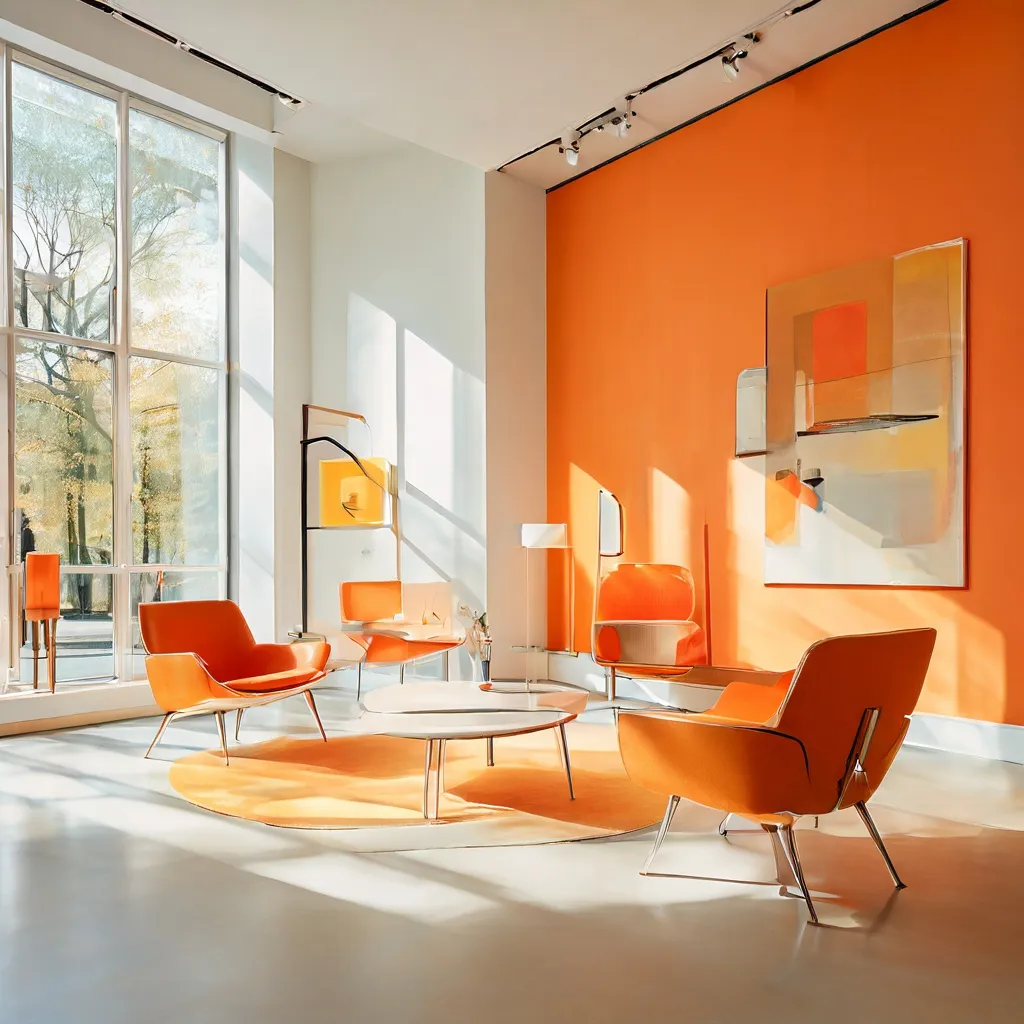
Kho Liang Ie's impressive portfolio includes collaborations with prominent companies such as Bruynzeel, Mosa, CAR, and Artifort. His long-standing partnership with Artifort was particularly impactful; he not only designed furniture—some still produced or reintroduced today—but also acted as an aesthetic consultant, introducing international designers like Pierre Paulin and Geoffrey Harcourt, thereby boosting Artifort's global success.
His forward-thinking ideas led to designs for open-plan offices, interiors for compact living, and flexible, modular furnishings. Concepts like the KTS system, inspired by Asian wicker trunks, offered integrated beds, tables, and storage—innovations that remain relevant for small spaces and adaptable lifestyles, even if initially produced as prototypes.
Schiphol Airport: An Enduring Legacy
One of Kho Liang Ie's most iconic and lasting contributions is his work on the new terminal building at Schiphol Airport, which opened in 1967. Recognizing traveler anxiety, he designed a barrier-free entrance and calming steps post-passport control. The interior featured warm, natural materials like oak for handrails, contrasting with a subdued color palette designed to minimize distraction. The famous yellow wayfinding system, however, was created to stand out, with Kho himself or under his direction designing the distinctive arrow. Although much of the original interior has evolved, elements like the iconic slatted ceiling in the piers and the stainless steel wall panelling remain visible today, testament to his vision.
What to Expect at the Exhibition
"Kho Liang Ie – Mid-Century Modernist" offers an immersive experience, presenting over 200 objects and extensive visual materials that span the entirety of his diverse career. Visitors will see reconstructed elements of the Schiphol Airport interior, an Artifort stand, and a partial recreation of his 1971 exhibition at the Stedelijk Museum. The presentation also highlights his fruitful collaborations with other celebrated designers and artists, including Pierre Paulin, Geoffrey Harcourt, and Sheila Hicks, alongside works from his personal art collection by figures such as Ettore Sottsass and Niki de Saint Phalle.
Accompanying the exhibition is a new catalogue, the first monographic publication on Kho Liang Ie since 1986. This full-color edition underscores the significant role color played in his designs and includes photographs of his work in private homes, illustrating its enduring appeal. The exhibition is curated by Ingeborg de Roode, in collaboration with Eng Bo Kho.
This retrospective serves not only as a homage to an exceptional designer but also as an opportunity to re-evaluate his significant contributions to the design canon, particularly his focus on human-centric design and his unique interpretation of modernism.
To discover more about design and art in Amsterdam, you can explore other exhibitions or browse various cultural institutions through Musemap (musemap.art). Find your next visit by exploring all the museums in Amsterdam or checking what's on.