
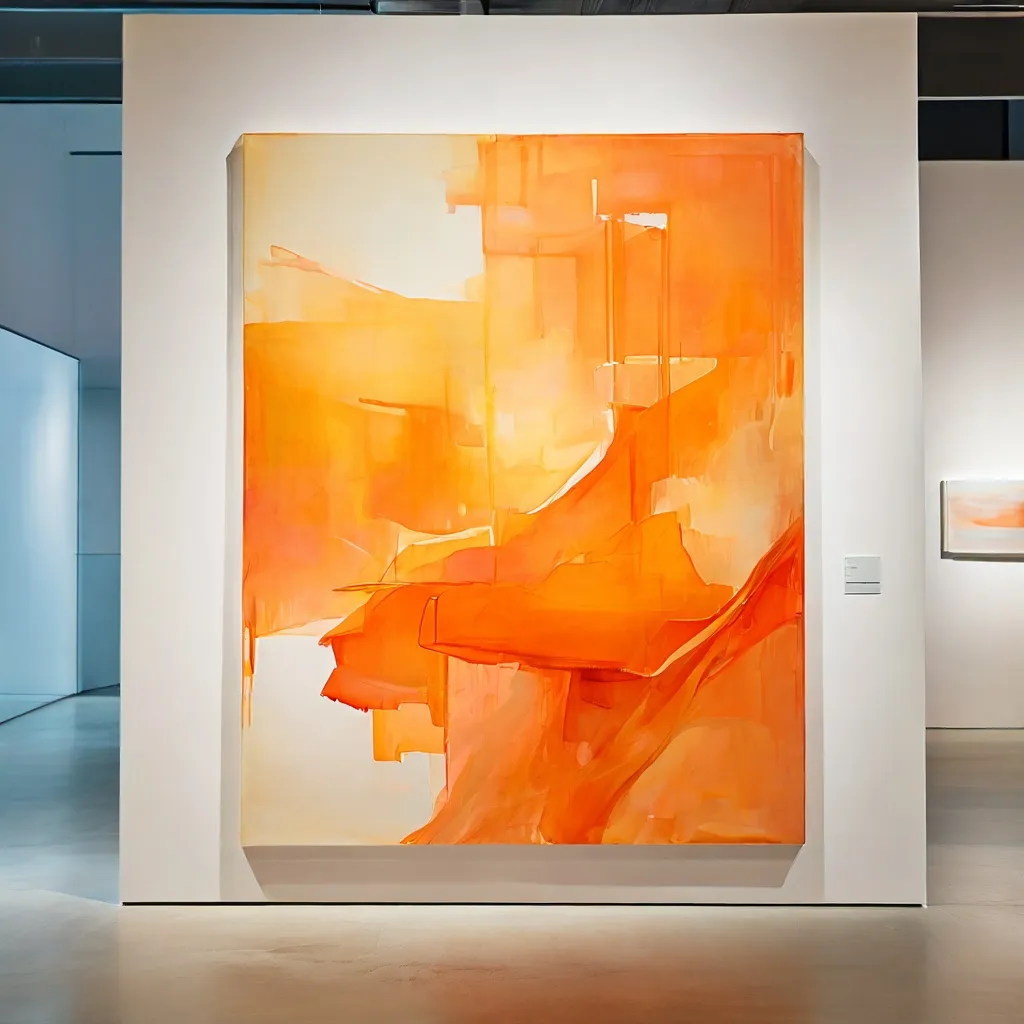
Historic Helen Frankenthaler Donation Arrives at Stedelijk Museum Amsterdam
The Stedelijk Museum Amsterdam has received two significant paintings by acclaimed American artist Helen Frankenthaler (1928–2011), marking a historic moment as these are the first works by the artist to enter a public collection in the Netherlands. This generous gift from the Helen Frankenthaler Foundation includes Beach Scene (1961) and Hommage à H.M. (1971), and they are scheduled to be on public display at the Stedelijk starting Monday, September 22. This acquisition represents a major milestone for both the museum and the country’s national art collection.
A Closer Look: Frankenthaler's Iconic Works Now on View
Visitors to the Stedelijk will have the opportunity to experience Frankenthaler’s distinctive artistic evolution through these two canvases. Beach Scene, created in 1961, is a large, expressive painting from a period when the artist was gaining international recognition. It showcases her innovative "soak-stain" technique, where thinned paint is allowed to absorb directly into unprimed canvas. Vibrant fields of yellow, blue, red, and black merge to create a dynamic composition that balances abstraction with hints of a coastal landscape, aiming to evoke an experience rather than a direct depiction.
A decade later, Hommage à H.M. (1971) presents a different facet of her work. This painting is characterized by its expansive yet controlled structure, featuring areas of color pushed to the canvas edges and interconnected by delicate black lines. The work’s bright, rhythmic quality reflects Frankenthaler’s fluid painting style. Created shortly after her travels through Morocco in 1970, the painting draws inspiration from Moroccan architectural and textile patterns, and its title honors Henri Matisse, who also found inspiration in Morocco decades prior. The piece is a tranquil tribute to color, form, light, and form.
A Pivotal Addition to the Stedelijk Collection
This donation significantly enriches the Stedelijk Museum’s holdings, particularly its postwar American art collection. Rein Wolfs, Director of the Stedelijk Museum Amsterdam, highlighted the importance of this gift, stating that while the museum has strong representation from male American artists like Rothko, Newman, and De Kooning, Helen Frankenthaler’s absence was notably felt. The acquisition aligns with the museum’s commitment to increasing the visibility of women artists who have historically been underrepresented. Securing works of this historical magnitude is rare today, making the Foundation's generosity particularly impactful.
Elizabeth Smith, Executive Director of the Helen Frankenthaler Foundation, expressed satisfaction that these works have found a home at the Stedelijk, noting the Foundation's dedication to expanding global understanding of Frankenthaler’s legacy. She emphasized that the donation supports the museum’s interest in the artist’s work, coinciding with growing appreciation in Europe for its art historical importance and ongoing relevance to contemporary practice. More information about the Foundation can be found on its official website frankenthalerfoundation.org.
Helen Frankenthaler, a pivotal figure in 20th-century art, is recognized for her role in bridging Abstract Expressionism and Color Field painting. Her pioneering "soak-stain" technique transformed how artists engaged with canvas and paint. Over a career spanning more than sixty years, she continually experimented across various mediums, leaving an extensive body of work that continues to influence contemporary art and is held in major museum collections worldwide.
This landmark acquisition offers visitors a unique opportunity to engage with the impactful legacy of Helen Frankenthaler. To discover more about the vibrant art scene in Amsterdam and other cultural institutions, explore Musemap (musemap.art) for more museums or view them on a local map.