Street Art Museum Amsterdam and the Community Curation Behind Its Next Neighborhood Mural
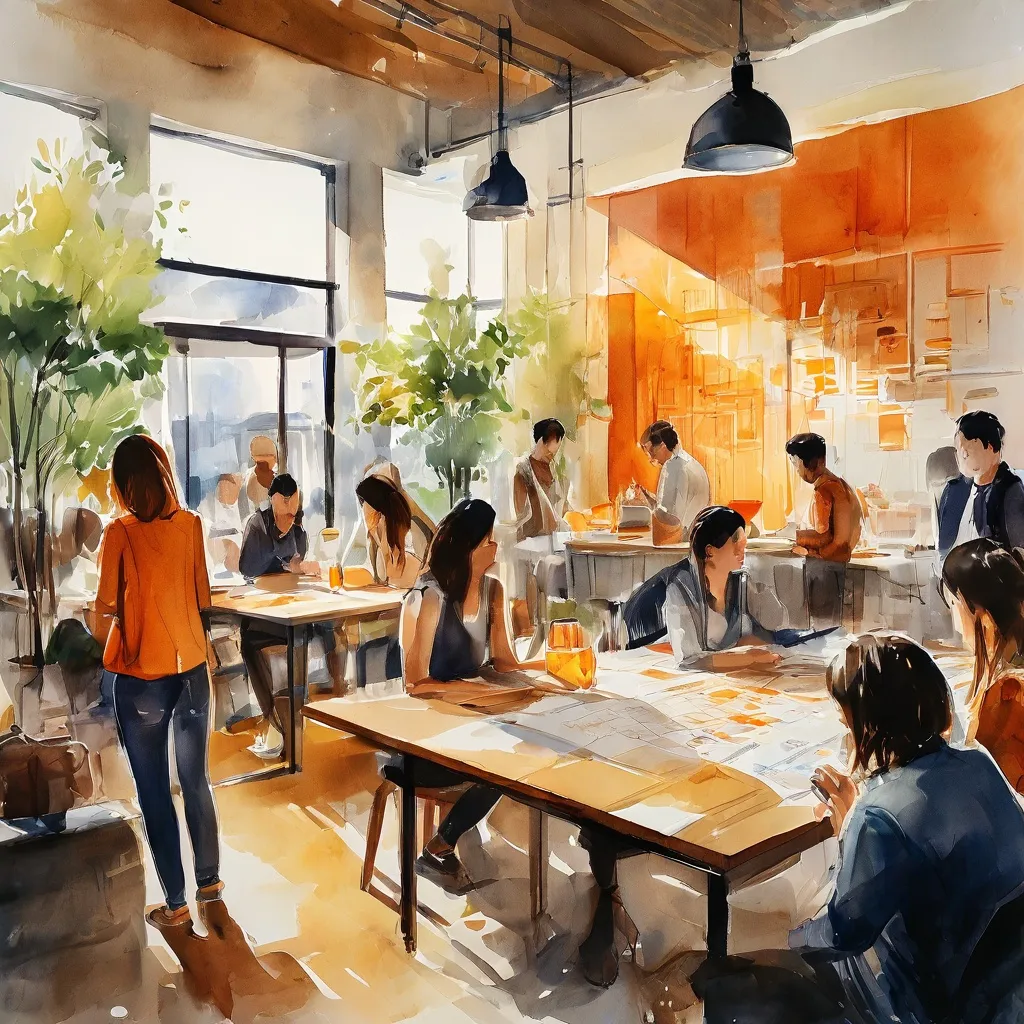
While visitors to Amsterdam often admire the finished, colorful murals that line the city's walls, the creative process begins long before any paint touches the concrete. At the Street Art Museum Amsterdam (SAMA), curation extends far beyond displaying finished pieces. A recent strategy meeting highlighted how the museum works behind the scenes to foster community connection through public art.
Discovering Amsterdam's Community-Led Street Art Scene
The upcoming mural project focuses on a site beneath a local bridge that connects two distinct neighborhoods. With large concrete supports rising from a narrow river below, the area currently serves primarily as a poorly lit, disconnected passageway. SAMA plans to transform this underpass into a vibrant destination that encourages movement, interaction, and connection between the neighboring communities.
For those exploring the cultural landscape of the city, projects like this show how street art is used as an active tool for urban development and social cohesion, rather than just static decoration.
Collaborative Curation: How the Mural Comes to Life
Creating a successful community mural requires a foundation of shared understanding and active participation. SAMA's planning process involves several key local groups and organizers:
- VoorUit Volunteers: Representatives from the social work organization VoorUit, which provides housing in exchange for community service, participated in the strategic planning.
- STAR 2.0 Initiative: Participants completed training with STAR 2.0, an international initiative designed to use street art as a medium for community integration and social inclusion.
- Collaborative Mentorship: Artist and former SAMA intern Cika Schulz helped facilitate the planning sessions, focusing on a non-hierarchical, dialogue-driven approach to guide the design discussions.
To ensure the project reflects the people who live in the area, the design must go through multiple community approval steps. This includes actively gathering signatures of support from local children, ensuring the neighborhood's youth have a direct voice in the artistic transformation of their shared space.
By focusing on these collaborative foundations, Street Art Museum Amsterdam demonstrates that curation is as much about making space for people to connect as it is about the art itself. To see where these community-driven art projects are located, you can explore the city's cultural geography on our Amsterdam street art map, find other creative spaces to browse museums in Amsterdam, or start your journey from the Musemap (musemap.art) homepage.