Street Art Museum Amsterdam Commemorates Keti Koti: A Celebration of Community and Freedom in Amsterdam Nieuw-West
On July 1st, communities across the Netherlands gather to observe Keti Koti, a day of remembrance and a celebration of liberty. Meaning "Broken Chains" in Sranan Tongo, the day marks the historic abolition of slavery in Suriname and the former Netherlands Antilles on July 1, 1863.
Over the years, the commemoration has grown into an important period of national reflection regarding the Dutch colonial legacy. This shift has been highlighted by official acknowledgments, including formal government apologies, and ongoing public discussions about the day's cultural status, as explored in this historical guide on Keti Koti in the Netherlands. Today, the occasion is marked by widespread local initiatives, artistic gatherings, and municipal engagement across various neighborhoods.
Experiencing Keti Koti at Street Art Museum Amsterdam in Nieuw-West
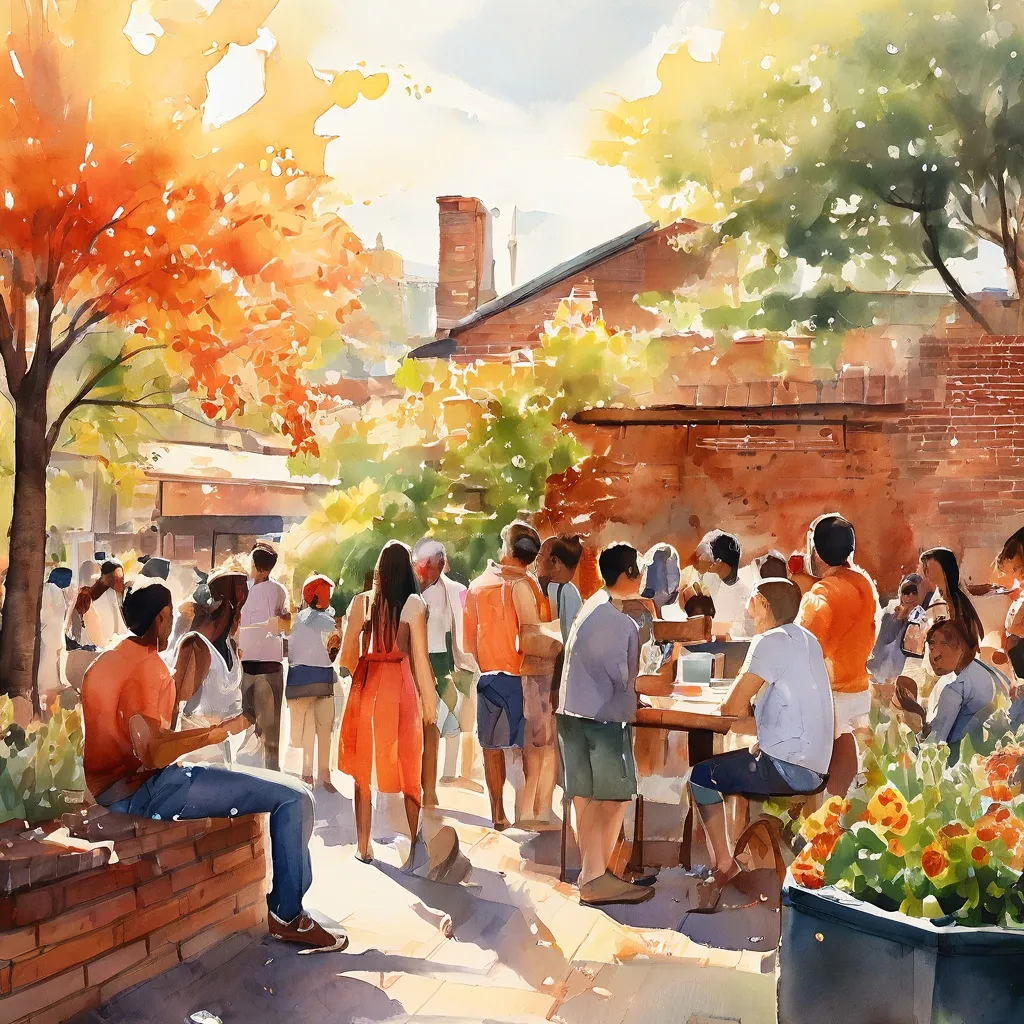
For visitors interested in the intersection of local culture and community action, the backyard garden of Street Art Museum Amsterdam (SAMA) provided an intimate setting for this year's remembrance. Marking the first event of its kind in this area of Amsterdam Nieuw-West, the gathering represented the culmination of three years of localized planning, dialogue, and collaboration.
The event was initiated by local artist and organizer Okundaye Odahiagbon, also known as Okuns. By collaborating closely with neighbors and local organizations, SAMA transformed its outdoor space into a welcoming environment for neighborhood connection. Visitors and residents gathered to share conversations, enjoy music, and eat food together, which included Surinamese dishes prepared on the grill.
The neighborhood gathering was also joined by Nazmi Türkkol, the Council Administrator for Amsterdam Nieuw-West, showcasing the growing recognition of grassroots commemorations by local administrative bodies.
The Connection Between Public Art, Heritage, and Remembrance
Hosting this commemorative event in a neighborhood-centric space highlights SAMA’s broader role in the local community. Rather than operating purely as a traditional gallery, the street art museum uses its presence in Nieuw-West to foster dialogue, preserve living history, and create spaces for collective reflection.
The gathering focused on the important balance between honoring painful histories and celebrating cultural resilience. During the afternoon, Okuns spoke about the history of the abolition and shared his poem, "BLACK JOY," which touches upon themes of identity, struggle, and the vital importance of understanding one's roots to build a stronger sense of self.
From Nieuw-West to the Museumplein Festival
The localized event at SAMA stood in contrast to the massive, city-wide Keti Koti Festival held later that day at Museumplein. Emerging from the underpass of the Rijksmuseum, visitors met a vibrant gathering of thousands of people in the heart of Amsterdam's museum district.
The Museumplein festival featured rows of stalls offering handcrafted jewelry, art, and traditional clothing alongside Surinamese culinary favorites like telo with bakkeljauw (fried cassava with salted fish). Despite the difference in scale, both the intimate garden gathering in Nieuw-West and the major festival at Museumplein shared a unified focus: showing that joyful celebration and solemn remembrance can coexist to carry history forward.
For travelers looking to discover authentic local narratives and community-led events in the city, exploring these neighborhood-centric spaces offers a deeper perspective on Amsterdam's diverse heritage. You can find more unique artistic venues by browsing the Amsterdam museum list or plan your journey across the city's neighborhood cultural spots with the Amsterdam interactive map on Musemap (musemap.art).