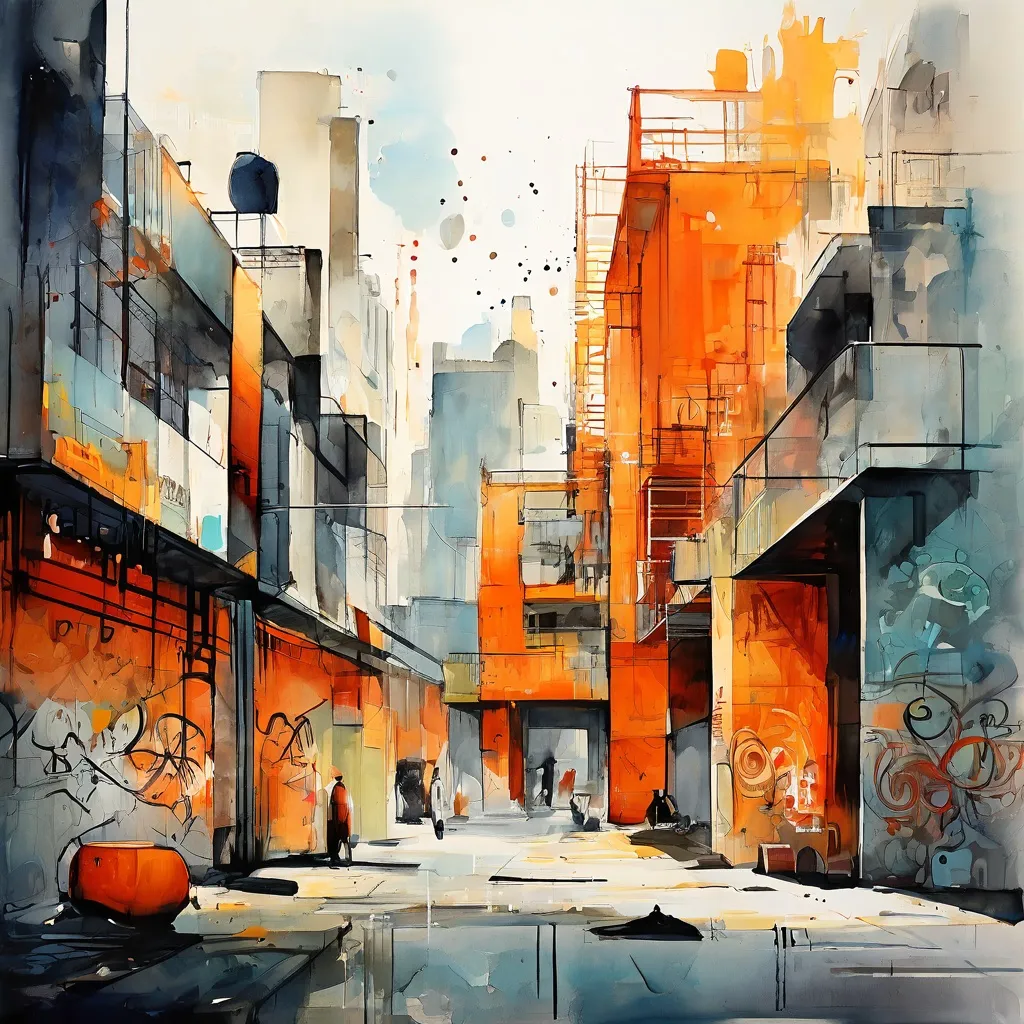
Street Art Museum Amsterdam Rethinks Preservation and Community Engagement
The Street Art Museum Amsterdam (SAMA) is deeply engaged in a nuanced discussion about the nature of urban art and its place within cultural institutions. Prompted by recent experiences, including new publications, conversations with industry figures like Lee Bofkin of Global Street Art, and even the unfortunate news of a theft from the Dutch Graffiti Library during an exhibition at STRAAT, the museum is exploring what it truly means to preserve street art. This ongoing reflection considers how these dynamic artworks transition from public spaces to museum collections and archives, and what role institutions play in maintaining their authentic spirit for visitors in Amsterdam.
The Ephemeral Nature of Street Art in Amsterdam
Street art has always been more than static visuals; it’s an active encounter within public spaces. Often challenging traditional visual economies and concepts of ownership, its meaning resides in its timing, context, and immediate presence, rather than just its permanence. The team at SAMA has observed through initiatives such as the Community Living Lab and the Neighbourhood Garden of Stories that local residents organically weave art into their daily lives and community activities. Murals can become gathering points, and gardening can turn into storytelling, emphasizing that the true value lies in relationships rather than just the final artwork.
Documenting and Archiving Urban Expressions
While street art often disappears over time, its value remains, and archives play a crucial role in extending its social life. Projects like SAMA's Digital Street Art Depot aim to document and preserve these transient works. Photographs, collections, and digital reconstructions offer a form of continuity. However, documentation is not a neutral reconstruction; it preserves fragments—images, stories, metadata—rather than the original, live encounter. This fragmentation, however, can be a strength, opening avenues for future interpretation, education, and public engagement.
The Museum's Evolving Role in Stewardship
The entry of street art into museums and institutional collections brings significant advantages, including conservation, research, increased visibility, and dedicated resources. Yet, this institutionalization also shifts dynamics and raises questions about ownership, beneficiaries of visibility, and accountability. As Anna Stolyarova, founder of SAMA, emphasizes, the museum's function extends beyond mere preservation; it's about fostering environments where knowledge can freely circulate. SAMA strives to avoid inadvertently imposing the very controls that street art initially resisted.
As SAMA's collections, archives, and public expectations grow, ensuring proper care requires building long-term capacity. This involves developing robust governance, ethical frameworks, documentation standards, and sustainable stewardship models that can responsibly manage urban art heritage for decades.
Embracing Co-Learning and Community Partnership
SAMA is pioneering an "Innovative Co-Learning Methodology," a community-based citizen science approach to urban heritage. This methodology recognizes citizens not just as participants in knowledge production but as active creators of knowledge. Through artistic practices, heritage methods, and reflective processes, communities learn from SAMA and academic partners. Simultaneously, the museum and academic institutions gain insights from the lived experiences, local expertise, and enduring presence of these communities.
This collaborative process is a long-term investment in trust and shared learning, where knowledge is generated collectively rather than extracted. This vision aligns with the belief that institutions should create environments for knowledge circulation, rather than solely preserving culture. This approach focuses on preserving the capacity for collective memory and ongoing learning. For SAMA, the future of street art heritage is envisioned as a civic infrastructure—a dynamic system where communities, artists, researchers, and institutions continuously observe, document, experiment, and care for urban culture together.
Discover more about the vibrant urban art scene and other cultural institutions in Amsterdam through Musemap (musemap.art). You can browse other museums or explore the city's offerings on the interactive map.