Street Art Museum Amsterdam to Share Local Community Insights at European Ecological Economics Conference
The Street Art Museum Amsterdam (SAMA) is preparing to take its unique community-centered approach to the international stage. This July, the institution will travel to Ghent, Belgium, to present its latest research at the prestigious European Society for Ecological Economics (ESEE2026) conference. The event is a leading platform for exploring sustainable, equitable, and democratic societal models across Europe.
Representing the voices of Amsterdam Nieuw-West, SAMA will present a collaborative paper titled "Reclaiming Urban Voices: Street Art as Living Heritage and Environmental Governance in Amsterdam." This academic contribution was developed alongside researcher Geertje Tijsma of the Vrije Universiteit Amsterdam's Athena Institute. Rather than originating in a traditional lecture hall, the paper is built directly on years of grassroots community engagement in the neighborhoods of Amsterdam.
Bringing the Living Heritage of Amsterdam Nieuw-West to Ghent
The foundations of SAMA's presentation lie in everyday local interactions—conversations on neighborhood benches, creative public workshops, and collective gardening. A key pillar of this work is the Community Garden of Stories initiative, also known locally as the Buurttuin van Verhalen. Through activities like watering flowers alongside local children and listening to the experiences of older residents, the museum has gathered profound insights into how neighbors view housing, security, and belonging.
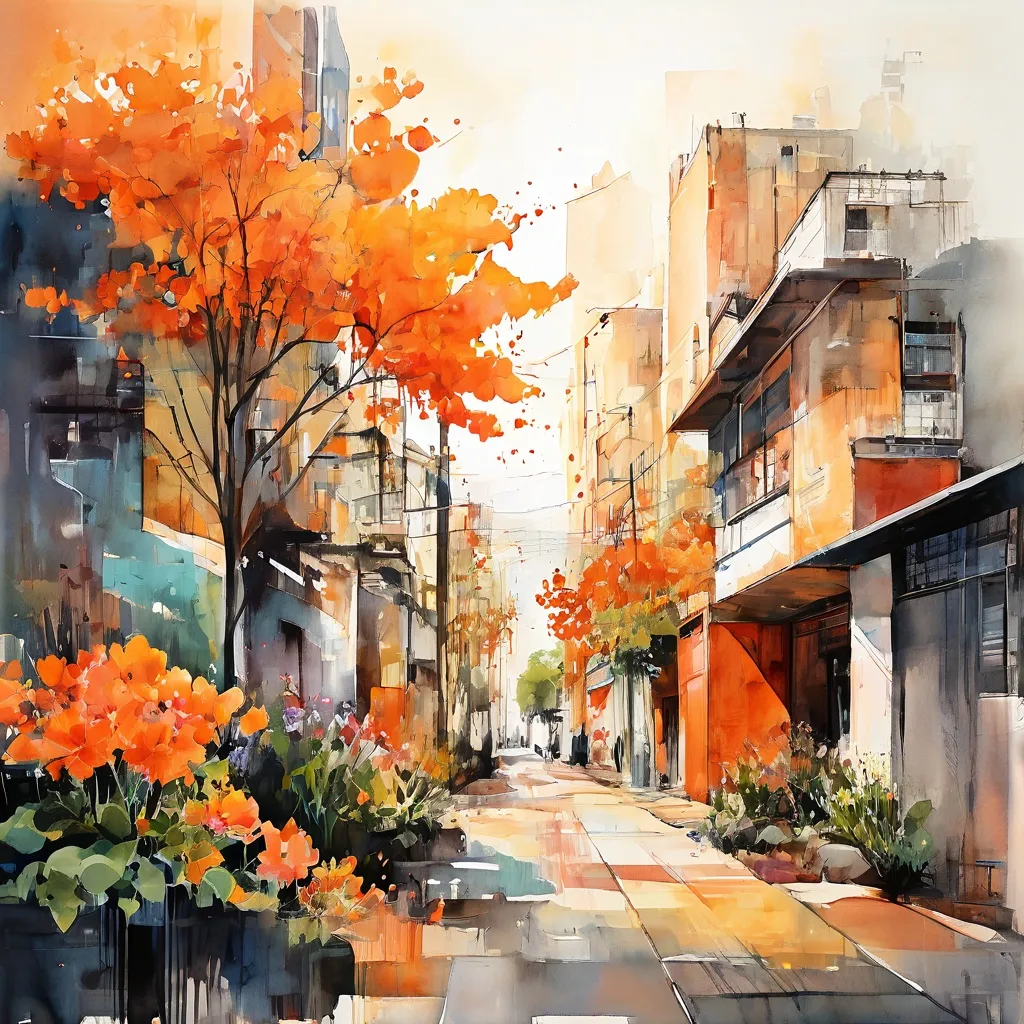
In recent years, botanical themes have emerged as a significant symbol across SAMA's public art. In neighborhoods like Dichtersbuurt, specific floral palettes have been chosen in collaboration with local residents to shape community design projects for the next decade. These natural elements represent the slow, careful growth required to build resilient neighborhoods, functioning as a shared language of memory and local identity.
Street Art as a Democratic Tool for Urban Communities
SAMA’s research argues that street art is far more than simple urban decoration. Instead, public murals serve as active forms of living heritage. Every painted wall captures community-driven narratives that rarely make it into formal municipal policy documents—touching on themes of migration, friendship, loneliness, and hopes for the urban future.
By transforming residents into active authors, designers, and knowledge holders, SAMA helps turn local neighborhoods into living archives. The museum aims to show that street art can strengthen environmental governance by making local, lived experiences visible to decision-makers. This work is supported by practical tools and cooperative initiatives, including the STAR 2.0 Toolkit for youth workers and SAMA's participation in the ongoing STRAATWIJS project with Vrije Universiteit Amsterdam.
Ultimately, SAMA functions as a museum without walls, illustrating how creative civic spaces can generate vital municipal knowledge. As the organization prepares to share these Amsterdam stories in Ghent, it highlights the powerful role that local neighborhoods and artistic collaborations play in shaping the sustainable cities of tomorrow.
To discover more independent cultural hubs and neighborhoods across the capital, you can use Musemap (musemap.art) to design your next self-guided exploration. Locate nearby creative spots using our interactive map or browse the local museums list to find more community-driven art spaces.