Street Art Museum Amsterdam Transforms Neighborhoods with Community Garden Project in Amsterdam Nieuw-West
In 2025, the Street Art Museum Amsterdam (SAMA) initiated a significant community engagement project called "BuurtTuin van Verhalen" (Neighborhood Garden of Stories) in the Dichtersbuurt area of Amsterdam Nieuw-West. Launched with backing from the Fonds voor Cultuurparticipatie through the Samen Cultuurmaken program, this initiative quickly evolved beyond its initial scope. What began as a local cultural participation effort transformed into a dynamic meeting place, blending street art, storytelling, gardening, poetry, communal meals, and shared local knowledge into a thriving ecosystem. The project underscored the social value of cultural involvement and highlighted the potential of participatory cultural infrastructure in areas undergoing urban change. For more details on the project, visit the official BuurtTuin van Verhalen page.
A Community Hub Emerges from Local Participation
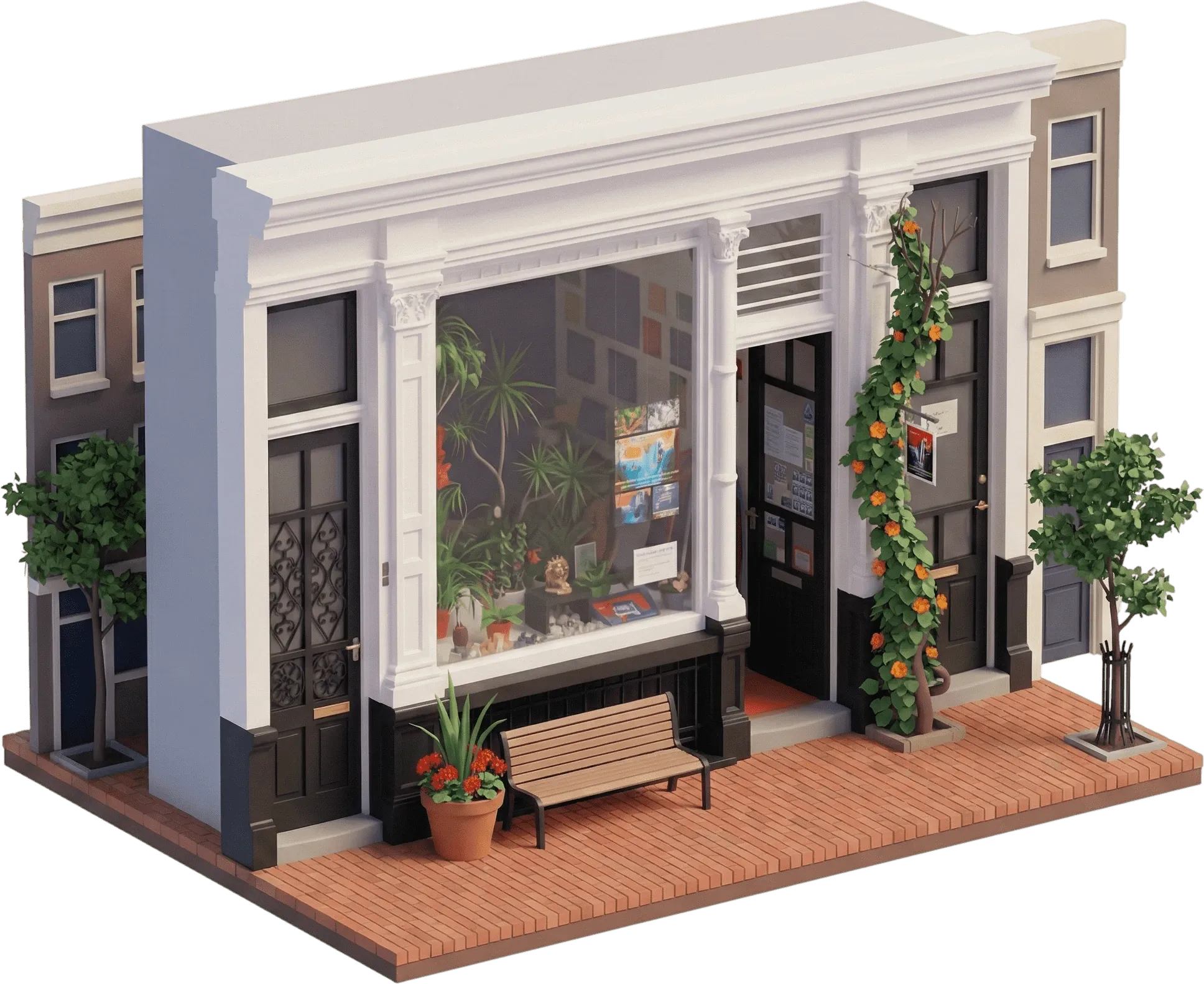
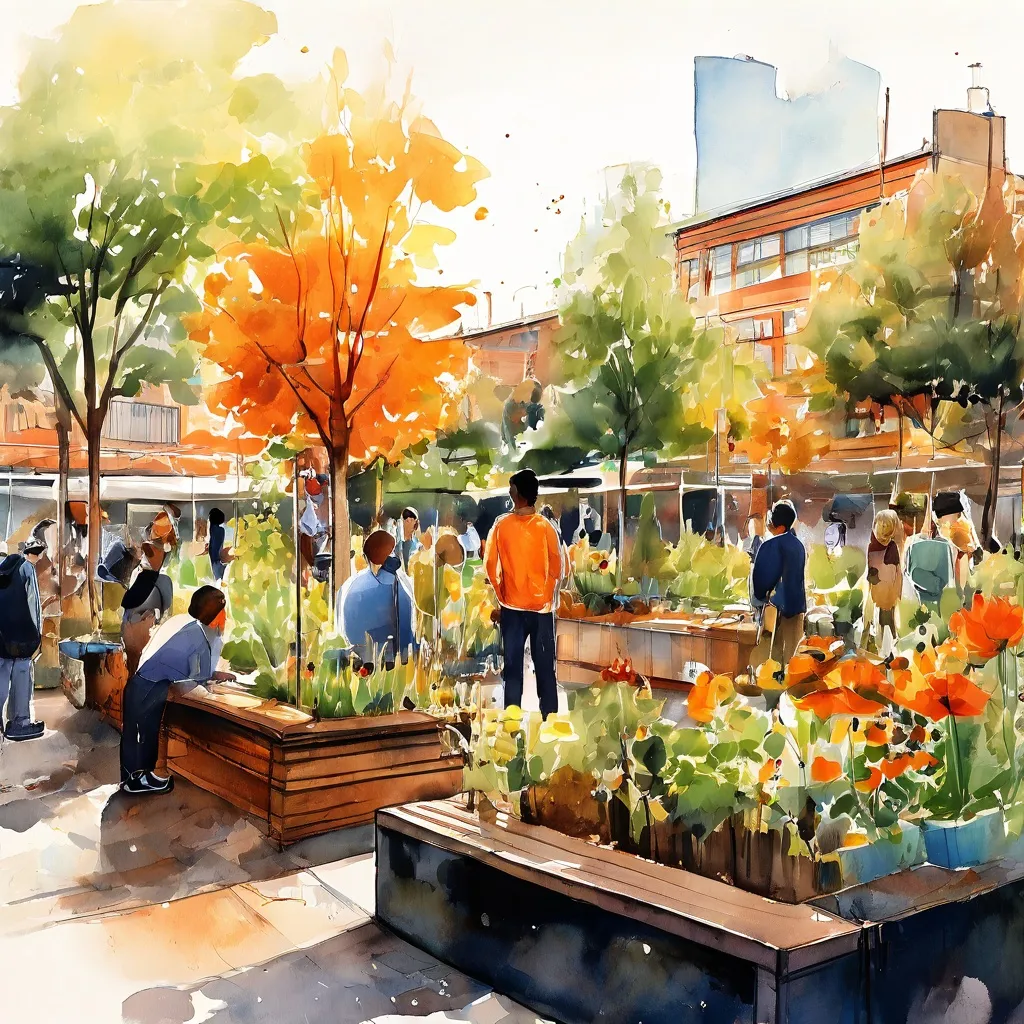
Central to the project was the Community Living Lab, a vibrant neighborhood garden situated at Slauerhoffstraat 7HS. This space became a nexus where residents, artists, volunteers, and various organizations formed connections through regular interactions and shared activities. The diverse program included street art interventions, mural creations, gardening workshops, spoken word and poetry sessions, yoga, neighborhood markets, and collective meals.
Crucially, these activities were developed in collaboration with residents, fostering a sense of co-creation rather than simply being organized for them. Participation steadily increased, with residents taking on more initiative, contributing ideas, and helping to organize events. This transition from mere participation to shared ownership was a key achievement, transforming the garden into a communal space belonging to the neighborhood rather than a single entity.
Beyond Green Spaces: A New Civic Center in Amsterdam
As the "BuurtTuin van Verhalen" progressed, it became clear its impact extended beyond horticulture or specific cultural events. The project established a unique informal civic space within a neighborhood anticipating extensive redevelopment. In an environment where community cohesion, local identity, and trust can often be strained, the garden served as a vital location for interaction, reflection, exchange, and collective imagination.
It demonstrated how a public space could simultaneously function as a learning environment, a cultural archive, a social meeting point, and a platform for community involvement. This realization has significantly influenced SAMA's broader organizational development.
Expanding Impact: Local Initiatives and Global Reach
The project's influence radiated beyond the Dichtersbuurt. Its methodologies and experiences were shared across various national and international platforms throughout the year. The "BuurtTuin van Verhalen" connected with events such as the Urbanites United: Amsterdam, as a Living Canvas festival, presentations at STAR 2.0 (Erasmus+) training in Italy, Placemaking Week Europe in Reggio Emilia, and the Citizen Science Conference in Lausanne.
Locally, the digital Street Art Map and newly created murals became integral to educational and research projects spanning art, heritage, urban development, and social studies. Partnerships with organizations like Eigen Haard, EigenWijks, Groene Kans Nieuw-West, Nieuwe Makers van Nieuw-West, VoorUit, and De Schrijverscentrale also deepened, strengthening the link between cultural and social sectors. The project also directly contributed to new initiatives, including the development of STRAATWIJS, a new collaborative framework integrating art, research, participation, and public space methodologies.
Street Art Museum Amsterdam's Evolving Vision
Perhaps most significantly, "BuurtTuin van Verhalen" marked a pivotal moment in SAMA's organizational evolution. Over 16 years, SAMA has grown from a grassroots street art initiative into a comprehensive participatory cultural practice. This practice operates at the intersection of street art, participatory heritage, non-formal education, digital culture, public space activation, and neighborhood transition.
The project highlighted that SAMA's true strength lies not just in its murals or cultural programming, but in its capacity to connect these diverse fields into an evolving civic-cultural ecosystem. Within this framework, a mural is never merely an artwork; it simultaneously serves as a neighborhood dialogue, a heritage layer, an educational tool, a storytelling platform, and community infrastructure. The insights from "BuurtTuin van Verhalen" are now guiding SAMA’s future direction, informing projects such as the Living Archive methodology, STRAATWIJS, STAR-UP, and the Digital Street Art Depot. Together, these initiatives are forging a new model of participatory cultural infrastructure for contemporary urban culture and developing neighborhoods.
Sustaining Community Spirit and Cultural Infrastructure
The most compelling indicator of the project's success is the overwhelming desire from residents and partners for its continuation beyond 2025. What began as a funded neighborhood initiative has matured into a lasting shared cultural space, a local knowledge system, and a powerful example of how cultural participation can foster long-term social resilience, civic engagement, and community ownership.
For SAMA, "BuurtTuin van Verhalen" affirmed that the future of cultural participation involves not only organizing activities but also building the relational infrastructures that enable communities, their stories, and public spaces to evolve together over time. To discover more cultural experiences and community-focused initiatives in Amsterdam, browse other museums or explore cultural spots on the map using Musemap (musemap.art).