Street Art Museum Amsterdam Explores Immersive VR for Urban Art Preservation
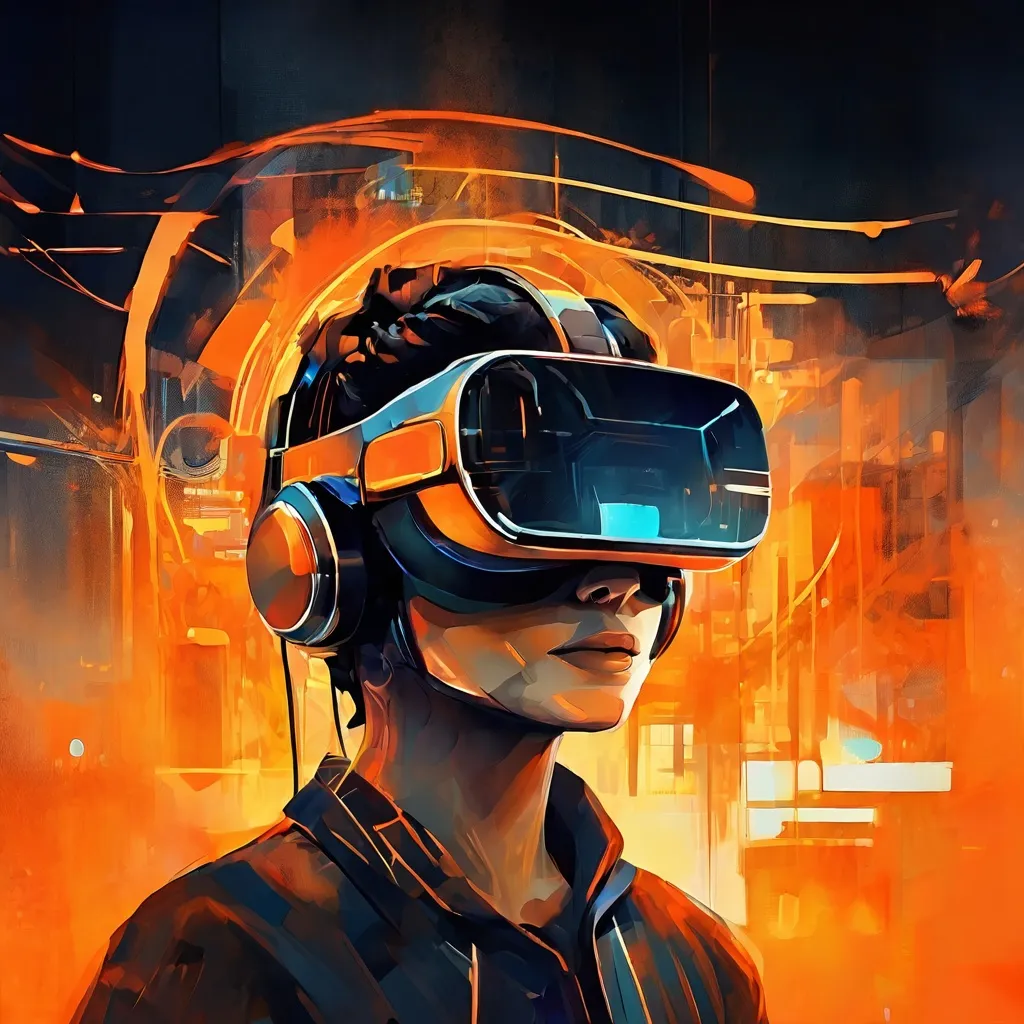
The Street Art Museum Amsterdam (SAMA) is pioneering a new approach to preserving ephemeral urban art through an innovative virtual reality (VR) "memory capsule." This project aims to capture the essence of large-scale street art in an immersive digital format, allowing visitors to experience murals as if standing directly in front of them, regardless of the artwork's physical longevity.
As part of the wider Digital Street Art Depot project, SAMA has developed this unique VR component to document its collection. The 3D virtual space provides a high-quality scan of an artwork, complemented by audio information and details about its creation. This ensures that the context and scale of the art are preserved for future generations, offering a dynamic way to engage with works that might otherwise fade or be removed.
Discovering Street Art Through VR at SAMA
During an initial test phase in January, SAMA invited visitors to try out the VR memory capsule, featuring Stinkfish's mural, Smile. Participants were guided through the virtual environment, experiencing the artwork up close with detailed insights into its background. The goal was to gather feedback on this novel way of interacting with street art and to assess its potential as a preservation and educational tool.
The tests provided valuable insights into user experience. Many participants reacted positively, appreciating the immersive nature and the preservation aspect of the technology. While some suggestions for improving image quality and navigation were noted, particularly from experienced VR users, those new to virtual reality were often highly impressed by the experience. The museum also showcased the VR capsule at the "Stad als canvas?" city dialogue event at Pakhuis de Zwijger, engaging an audience already interested in urban art.
Researching the Future of Cultural Preservation
Beyond its role in heritage preservation for SAMA's own collection, the VR memory capsule project also serves as a research tool. In collaboration with Professor Yvonne van Everdingen from Erasmus Rotterdam School of Management, the tests are collecting data on how consumers, including tourists and cultural visitors, respond to virtual reality applications. This academic partnership aims to understand the breadth of opportunities for VR in society, particularly within the cultural sector, and to inform the development of consumer-aligned innovations.
The research further explores how such VR initiatives can be integrated into existing business models or create new ones, potentially yielding both financial and social benefits. The feedback collected from participants during the test phase is crucial for optimizing the experience and understanding the commercial viability and societal impact of virtual reality in cultural institutions.
The ongoing development of SAMA's VR memory capsule highlights a forward-thinking approach to cultural heritage, blending art appreciation with cutting-edge technology. For visitors to Amsterdam, it offers a glimpse into how digital tools can enhance the discovery of urban art. To learn more about other cultural institutions in Amsterdam, you can browse through our list of museums or explore the city's offerings on the map at Musemap (musemap.art).