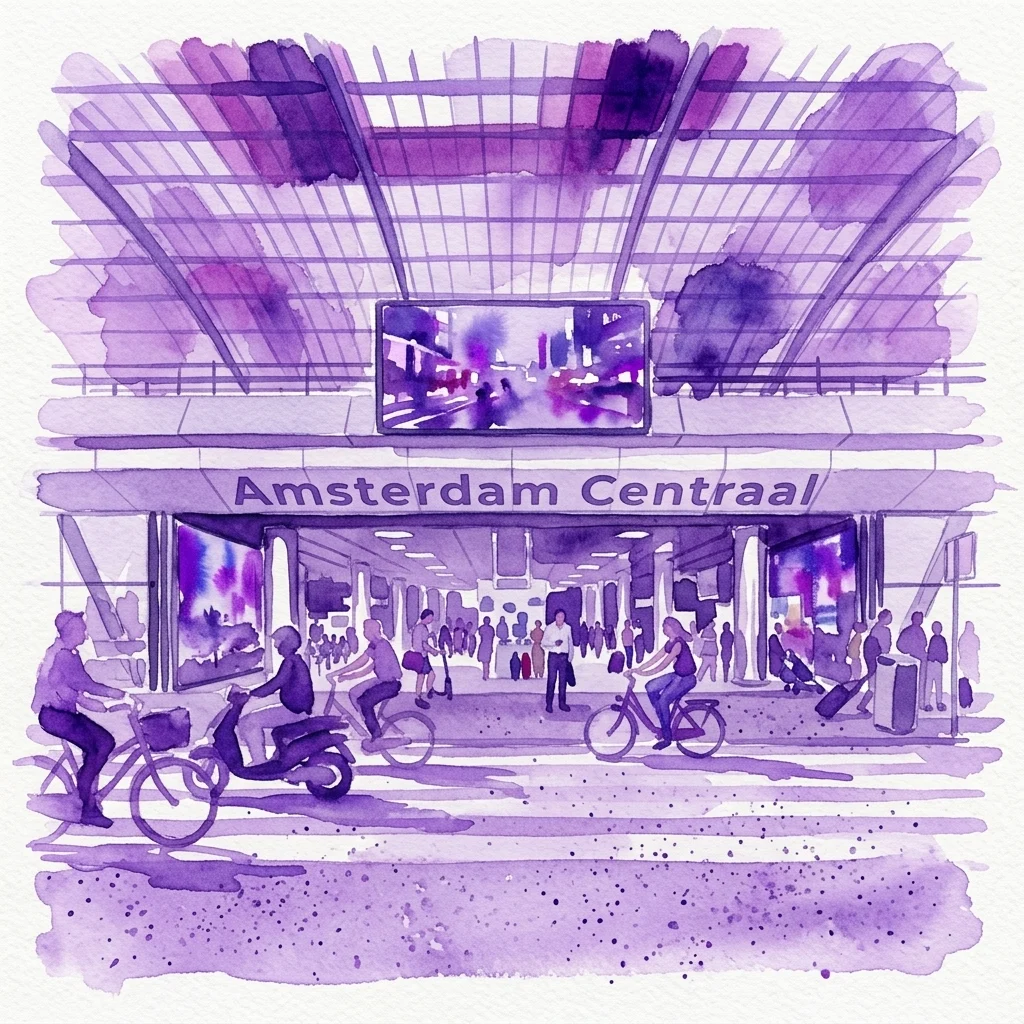
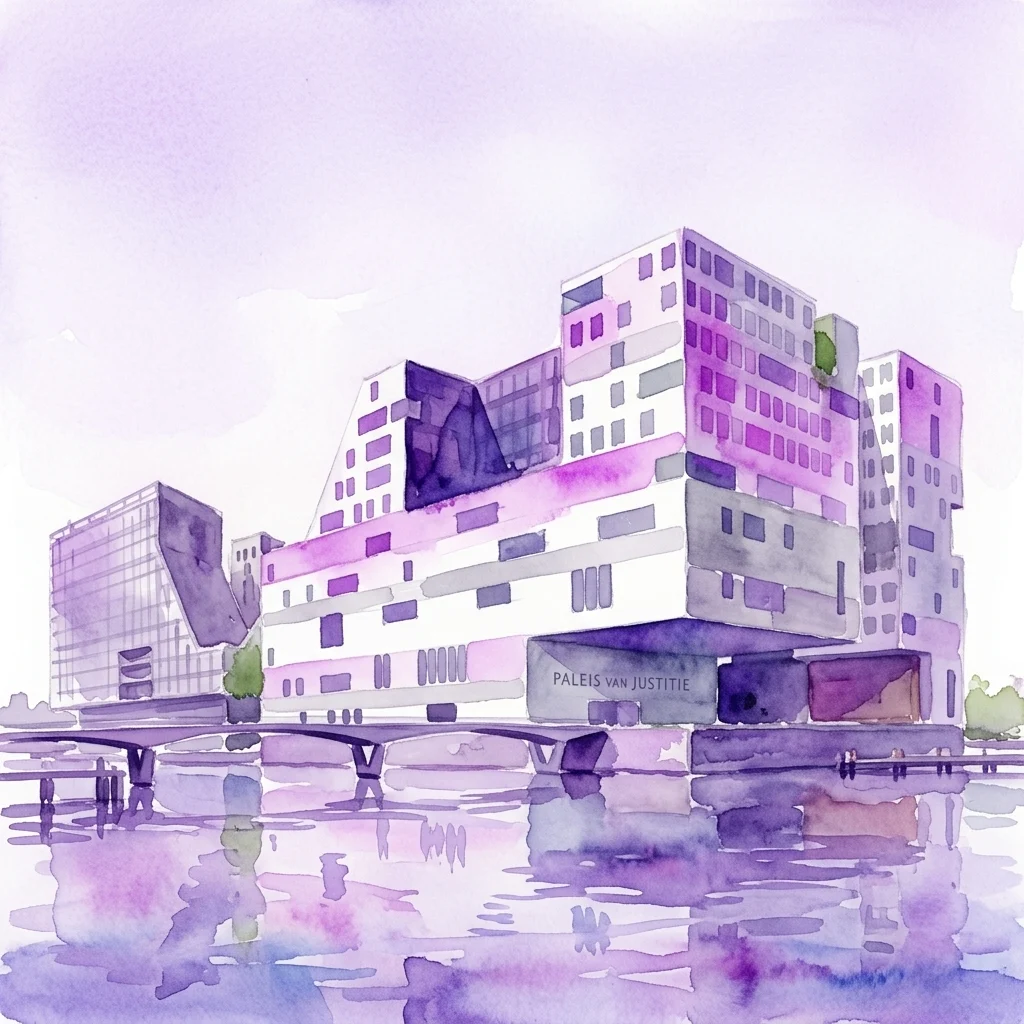
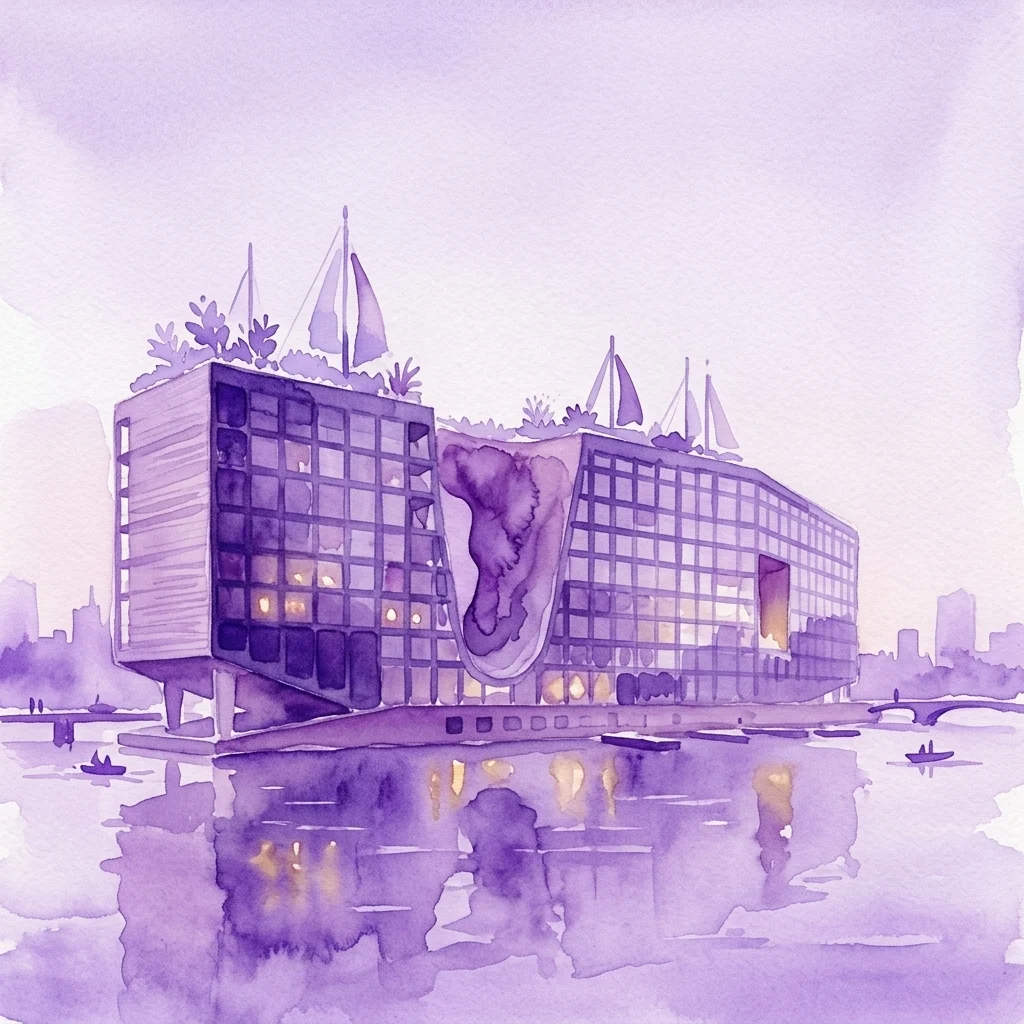
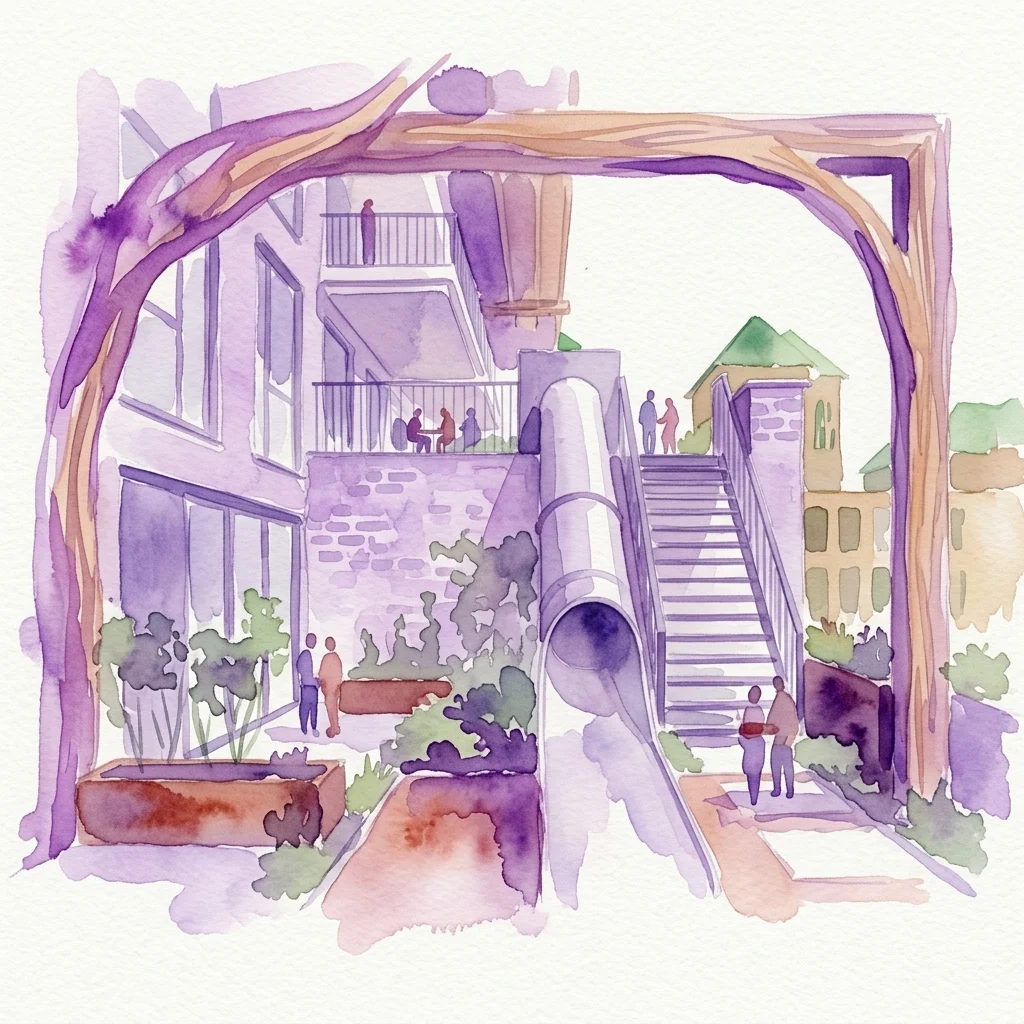
This reflection explores feminist urban planning and design practices, focusing on translating key concepts from international feminist theory into the Dutch context. It highlights contributions from designers who translated terms related to inclusivity, exclusion, and societal norms for use in Dutch architectural discourse.
This article, presented as part of ARCAM's 'reflection' series, delves into the concept of a feminist city and the role architects can play in creating inclusive urban environments. It discusses the importance of establishing a shared vocabulary to analyze and improve cities, drawing inspiration from the works of Leslie Kern, Sara Ahmed, and Nirmal Puwar. The piece highlights how three designers—Jo Barnett, Stefanie Tseggai, and Marisa Cortright—selected and translated key terms such as 'straightening devices,' 'imaginary boundaries,' 'space invaders,' and 'affect aliens' into Dutch. These translations, like 'onte)Rechtzetters' (straightening devices) and 'habitatbrekers' (space invaders), aim to facilitate a Dutch dialogue on feminist design practices. The article showcases examples of how these concepts manifest in Dutch urban planning and design, referencing projects that challenge dominant norms and address issues of exclusion and societal disparity, ultimately calling for further engagement and contribution from designers and the public.