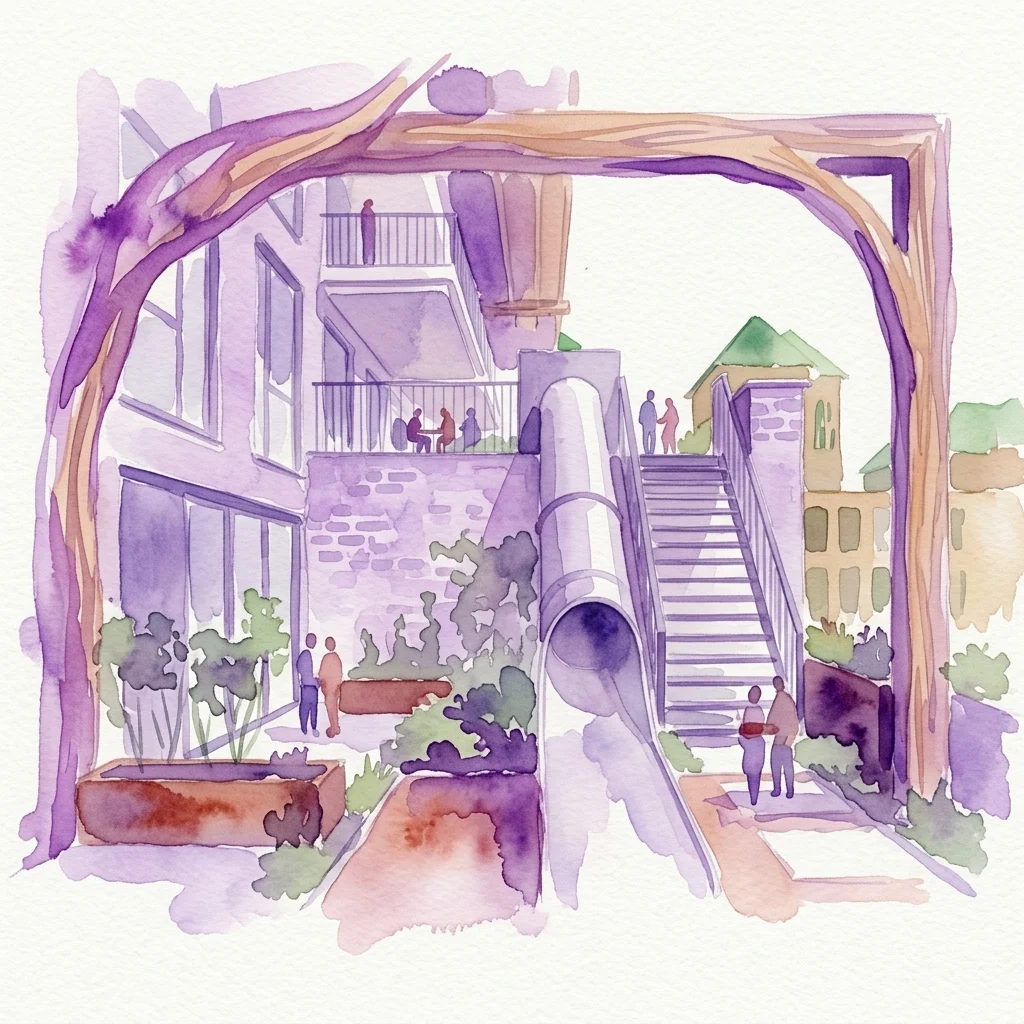
This reflection explores the concept of the ornament in architecture, tracing its historical significance from ancient times through to modern interpretations. It examines how architectural ornaments have evolved, been debated, and ultimately returned to prominence, connecting buildings with the city through shared history and dialogue.
This piece delves into the multifaceted concept of the architectural ornament, examining its historical trajectory and contemporary relevance. It traces the ornament's journey from an integral building element, deeply intertwined with functional aspects like protection from the elements, to its controversial dismissal by figures like Adolf Loos in the early 20th century, who famously declared "Ornament and Crime." The text revisits how, despite such critiques, architects have continued to engage with decorative elements, even in minimalist designs, highlighting the impoverishment of architecture without such embellishments. The resurgence of the ornament, particularly with postmodernism, is discussed, alongside its re-emergence in contemporary architectural discourse through publications like 'Building as Ornament' and 'Ornament and Identity.' The piece underscores how interpretations of the ornament now vary widely, yet it remains relevant for addressing current themes such as material scarcity, sustainability, representation, and beauty, often presented through stunning photographic work.