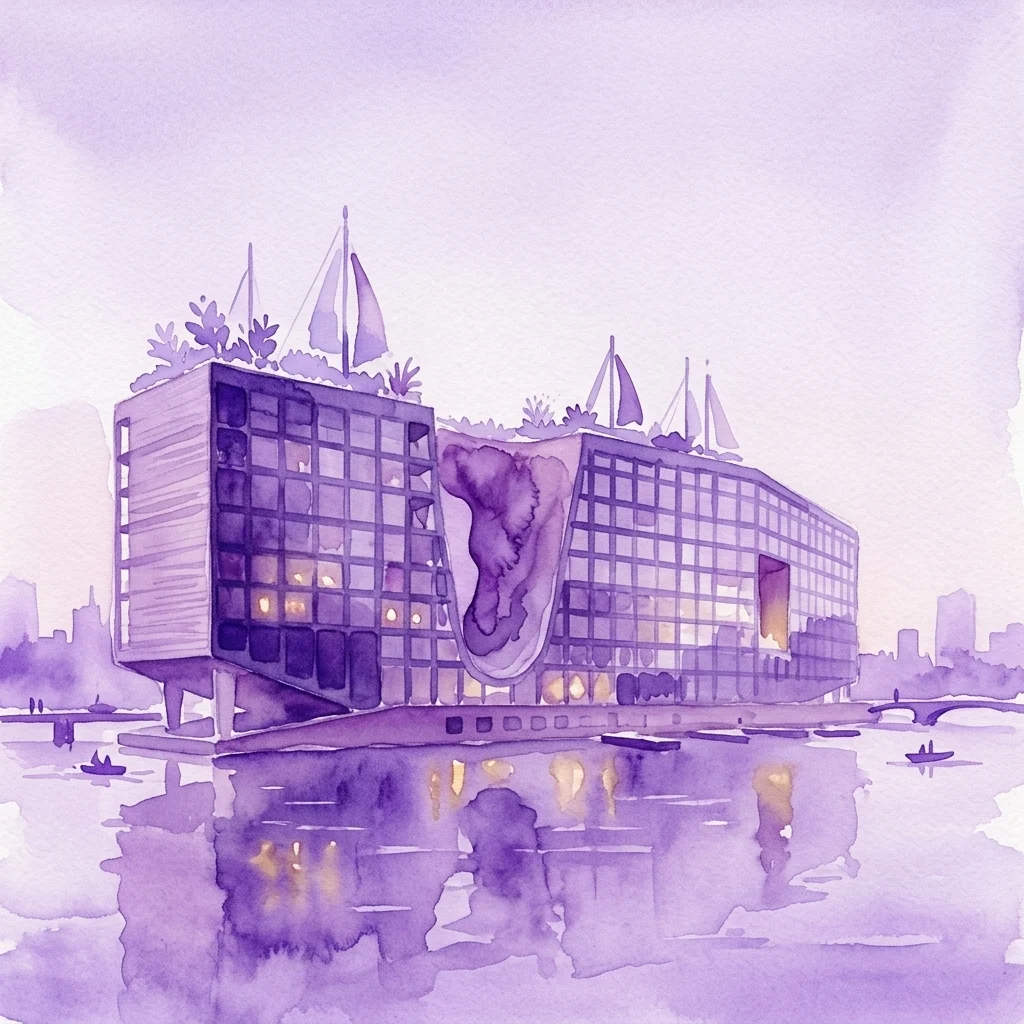
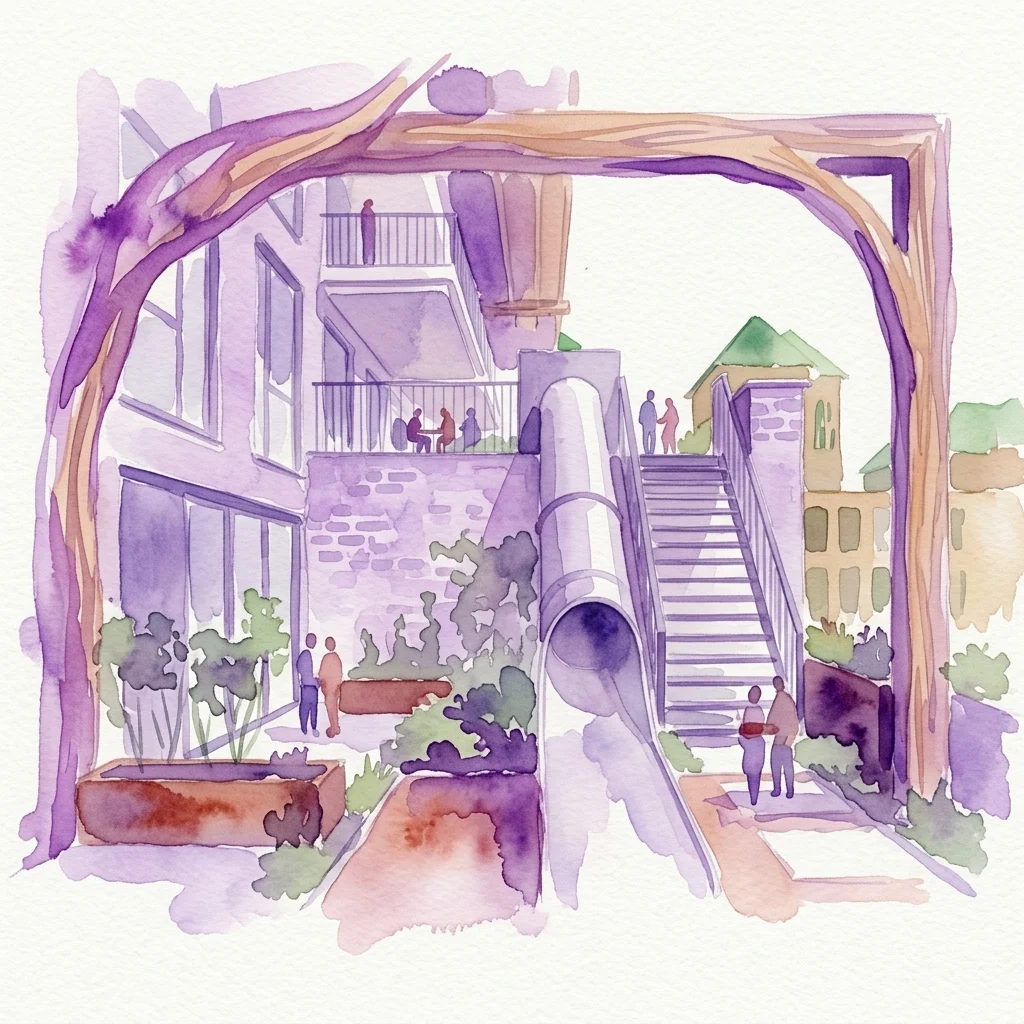
This exhibition explores opportunities for better living environments in Amsterdam, a city facing immense demand for housing. It examines the quality of new residential buildings and proposes an alternative building code to enhance 'woongeluk' (living happiness) through thoughtful design.
Amsterdam faces a significant challenge in meeting its housing demand, planning to add 150,000 new homes in the next 30 years. The exhibition 'Mooi Mokum – een alternatief bouwbesluit voor woongeluk' delves into how to build for 'woongeluk' (living happiness) amidst this rapid development. It highlights the importance of focusing not just on quantity but also on the quality and aesthetics of new residential buildings, especially as a large portion will be collective housing blocks.
The exhibition showcases an initiative by the municipality's Ruimte & Duurzaamheid department, which, in collaboration with students from TU Delft and various design collectives (BETA, Common Practice, De Zwarte Hond, Falsework, MVRDV), analyzed 19 buildings based on living quality, co-living, self-determination, and beauty. This research led to the development of an alternative building code aimed at improving contemporary housing production and fostering a lively discussion about the future of urban living in Amsterdam.