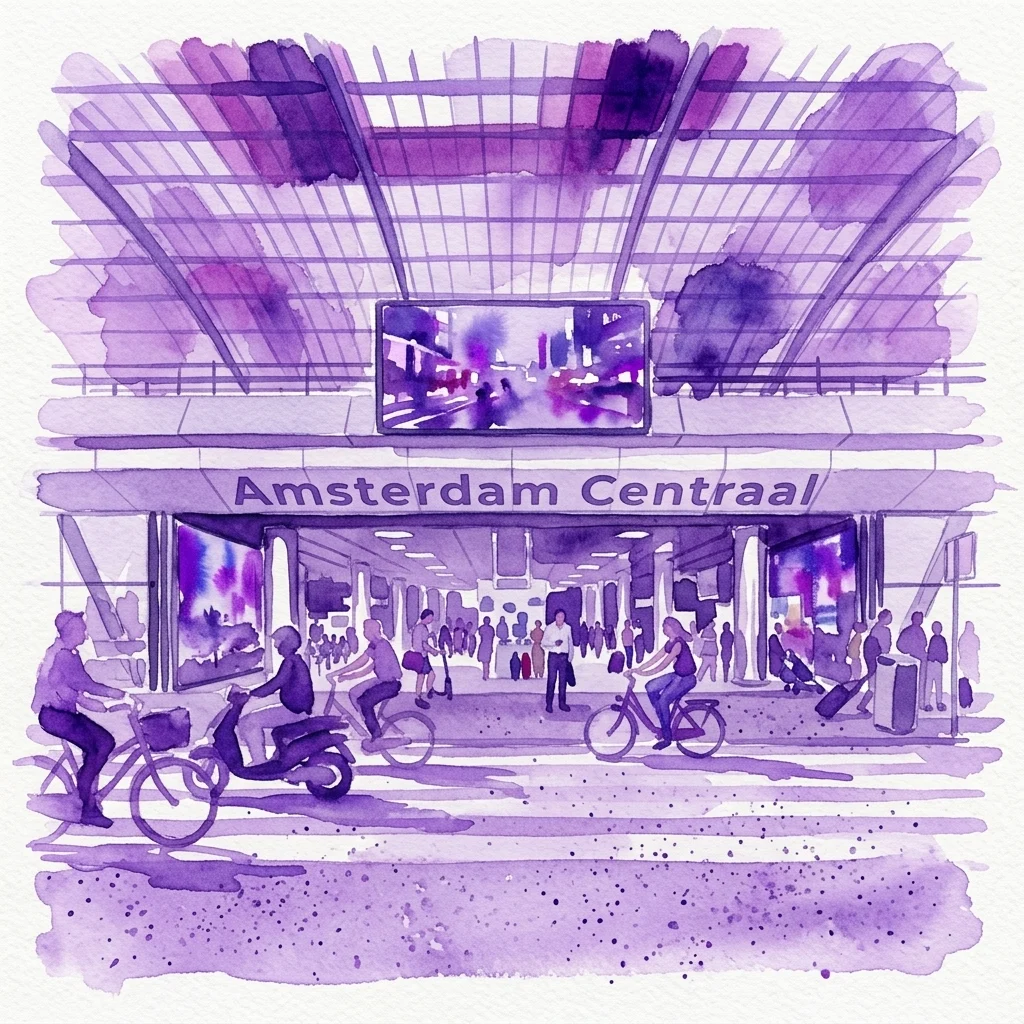
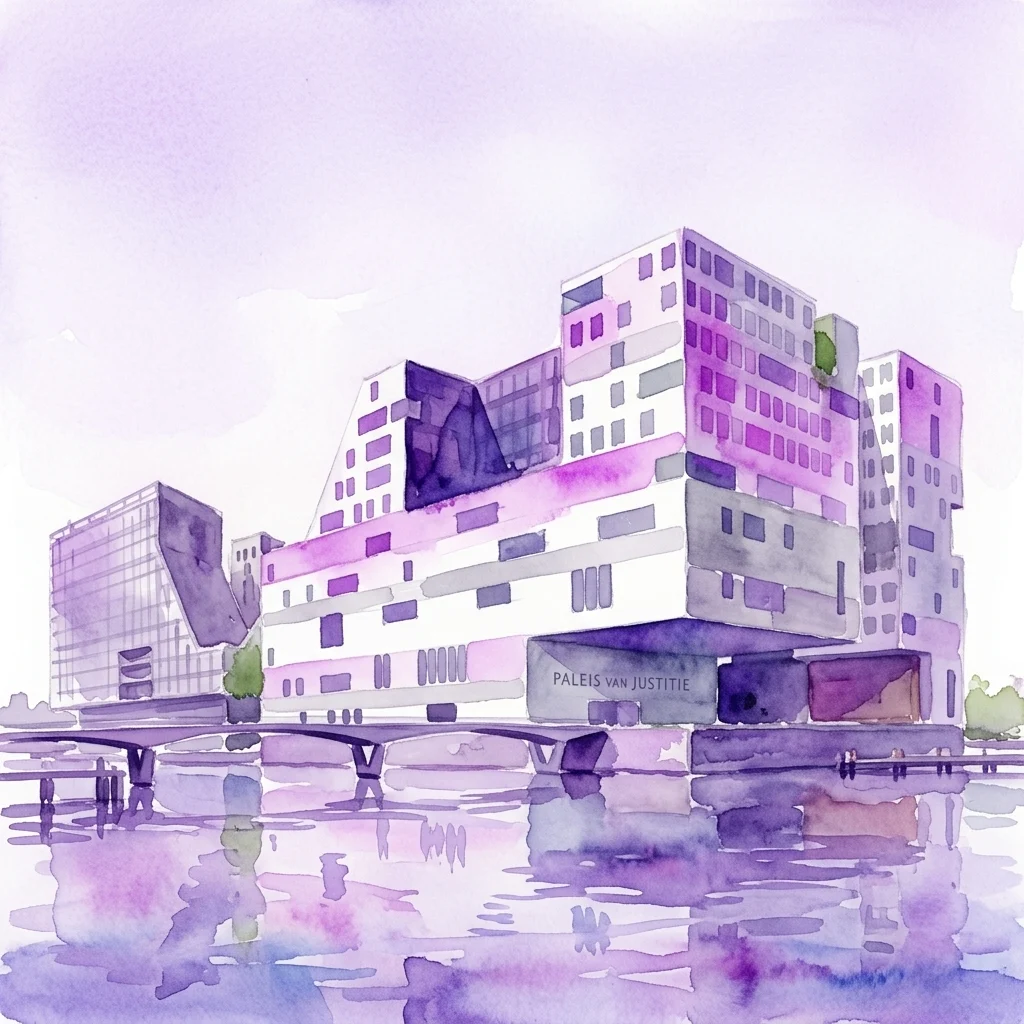
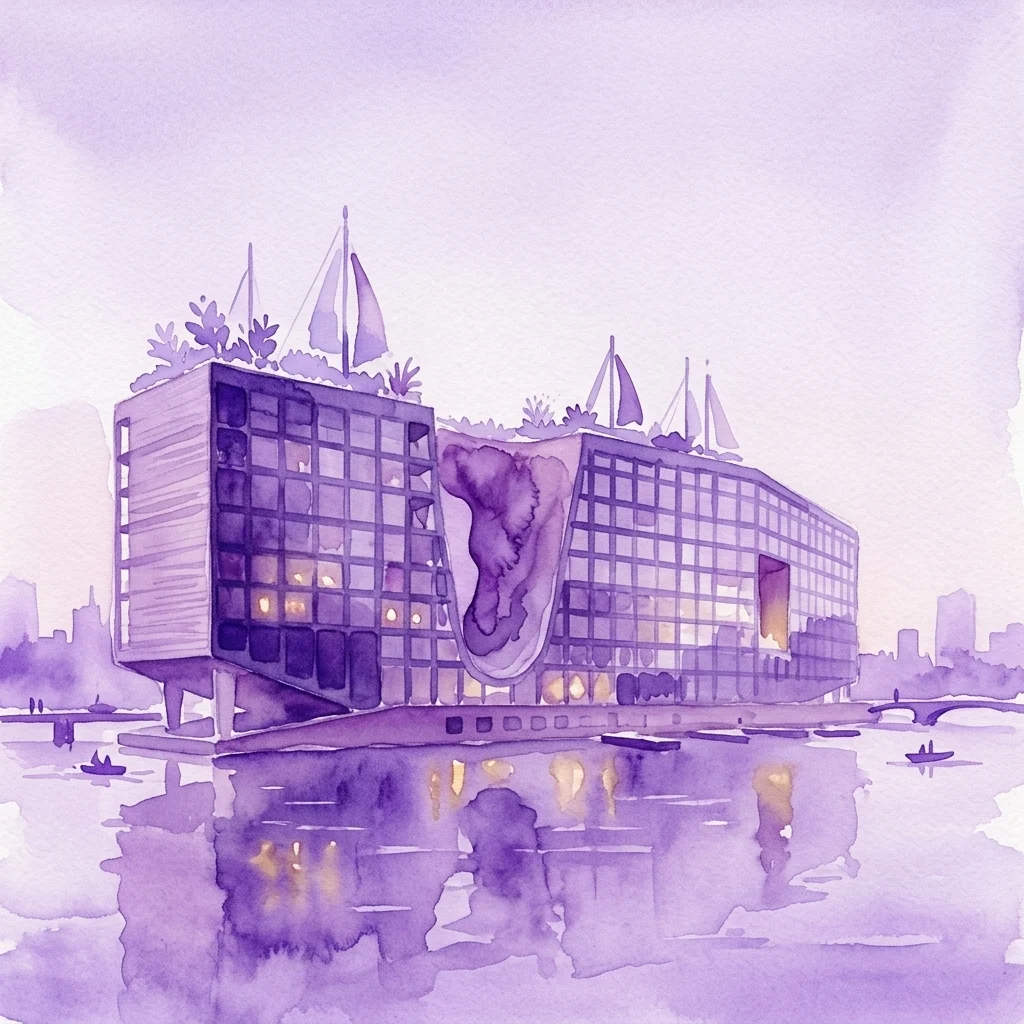
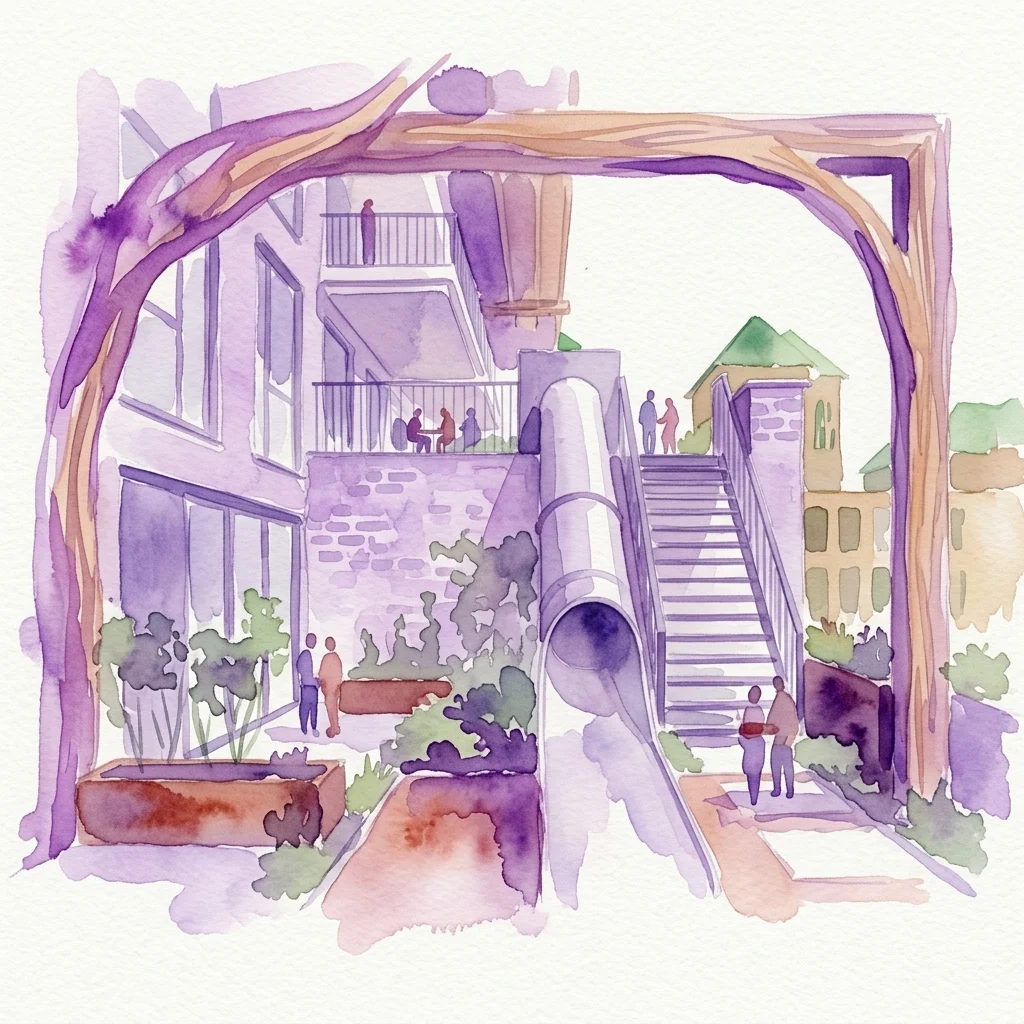
This exhibition explores the messages and stories embedded in analog and digital games, examining their significance for architecture. It features a wide range of games and Amsterdam-specific examples, inviting visitors to wonder, play, and reflect critically.
The exhibition 'Playing Architecture – het spel om de stad' delves into the messages and narratives contained within analog and digital games, exploring their implications for architecture. Games provide frameworks that can be entertaining and challenging, but also restrictive or stigmatizing. This exhibition, curated by cultural anthropologist Mélanie van der Hoorn and designed by architect Dafne Wiegers, invites curiosity, play, and critical reflection through a broad selection of games and examples from Amsterdam.
The exhibition highlights how games mirror society and the built environment. Modern dollhouses may feature solar panels, and city-building games grapple with rising sea levels or housing shortages. The exhibition questions the stories told within these games, how cities develop in digital realms, and the potential for architects to integrate game elements into their design practices. Games are powerful tools for cultural transmission, reflecting contemporary materials, building methods, living arrangements, and ideals. Some are specifically designed for the architectural practice, revealing hidden aspects, offering insights into complex interdependencies, and facilitating dialogue among stakeholders. Conversely, games can also be confining, perpetuating outdated gender roles or relying on rigid urbanistic models. 'Playing Architecture' is an exhibition to be viewed and experienced, raising awareness of the positive and negative messages within architecture games and encouraging direct engagement through play. Amsterdam serves as the focal point for many examples, illustrating how different games portray the city and address pressing issues such as real estate speculation, poverty, and ecological living, while also showcasing innovations and their underlying messages.