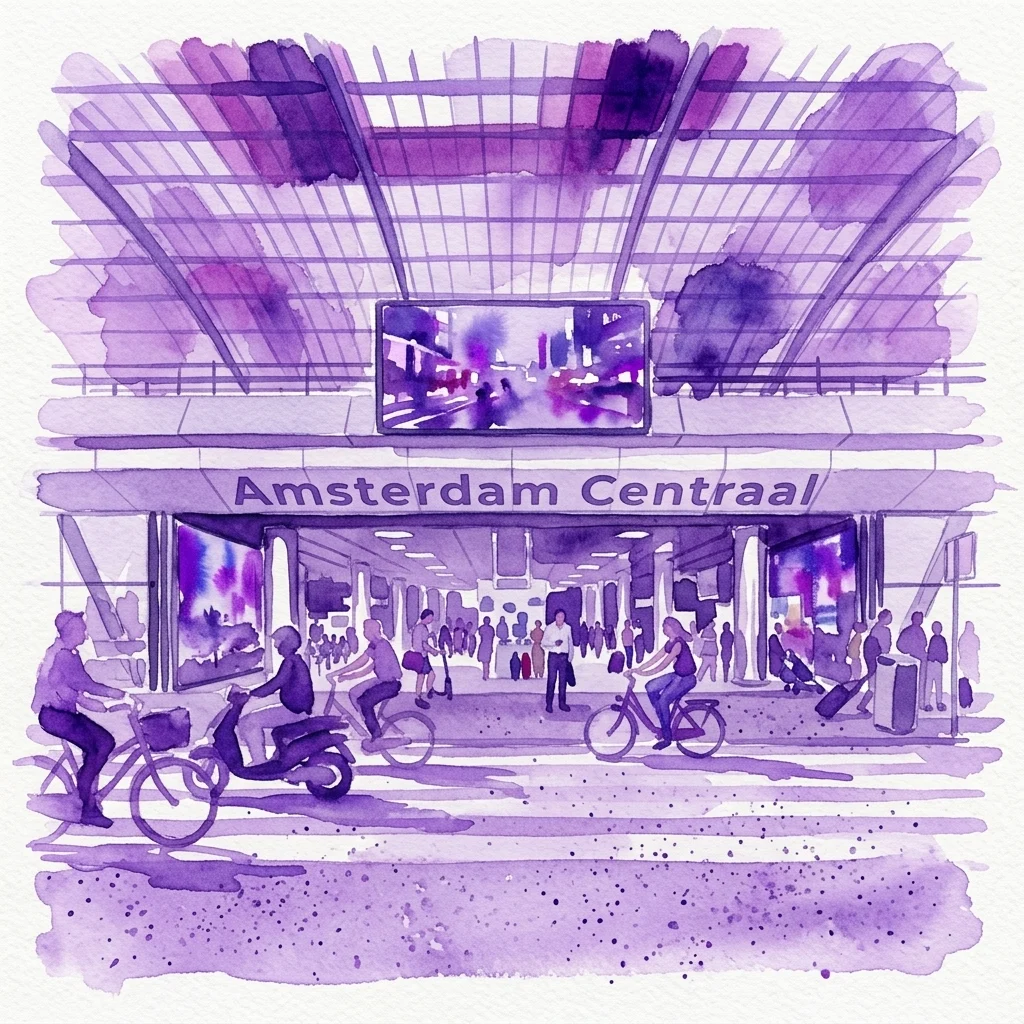
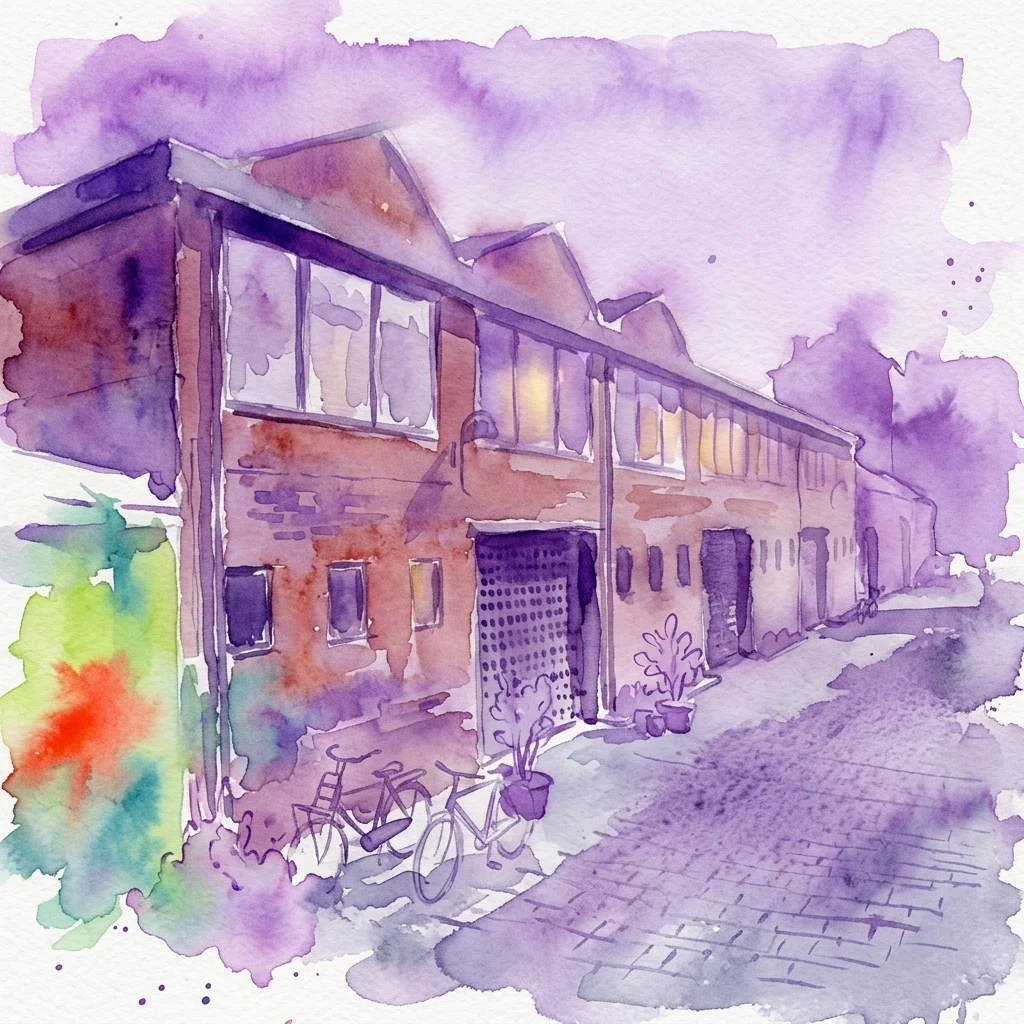
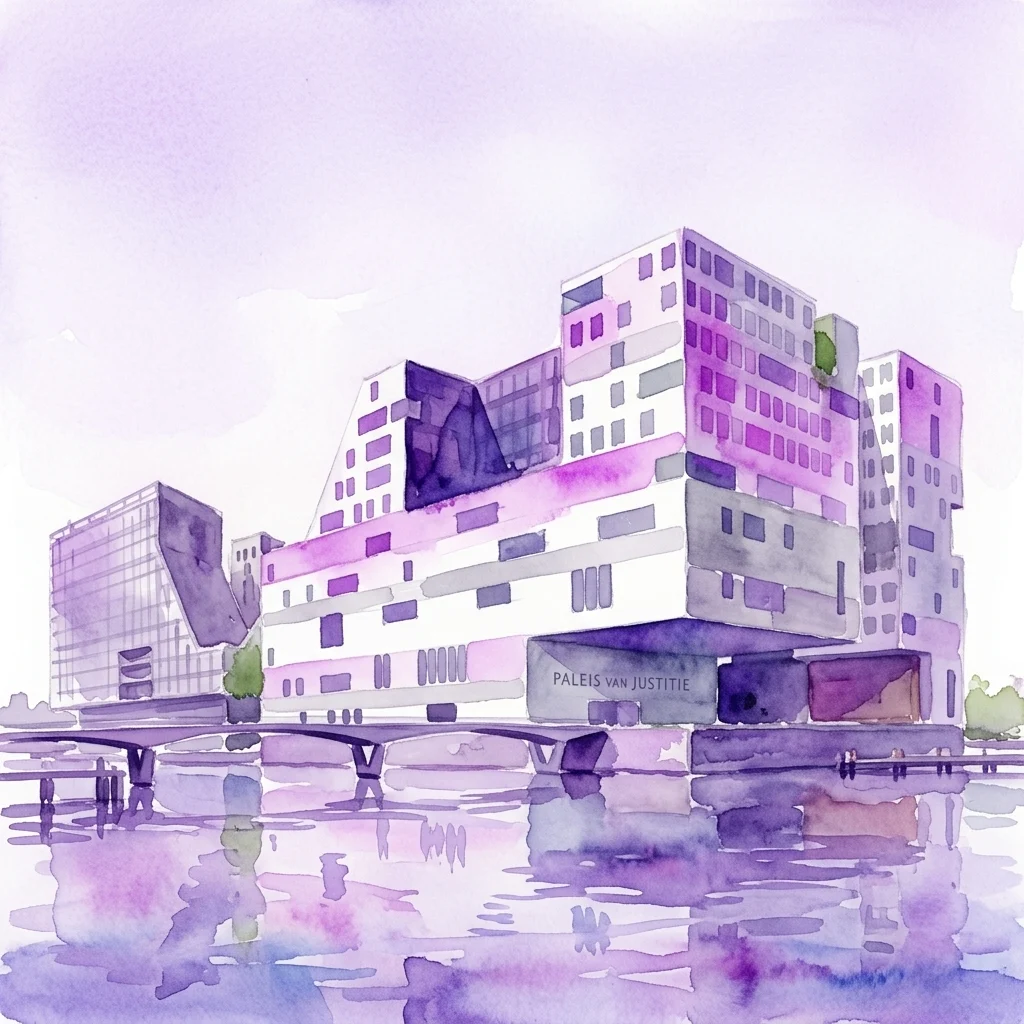
This entry in the Architectuurgids presents a selection of buildings and historical projects related to the 'Safe Spaces – Recht op ruimte in de stad' exhibition. It explores how architecture and urban space can foster visibility, acceptance, and protection for various communities in Amsterdam.
This part of the Architectuurgids draws from the earlier exhibition 'Safe Spaces – Recht op ruimte in de stad' (June 5 - September 19, 2021), which investigated how design can contribute to visibility, acceptance, and protection through the appropriation of urban spaces. The content showcases a selection of buildings and historical projects that demonstrate how diverse groups make themselves visible in the city through banners, flags, and architecture.
The featured projects are categorized into themes such as 'believers,' 'ethnicity,' 'women,' and the 'LGBTQIA+ community.' Examples include the Oranjehof, a building designed for single working women; the Gliphoeve, significant for its history of squatting by Surinamese activists; the Fo Guang Shan He Hua Temple, a large Chinese-style temple; and the L.A. Rieshuis, an early housing group for gay and lesbian seniors. These examples illustrate a short history of buildings, demonstrations, and graphic expressions that contribute to the visibility of space claims in Amsterdam.