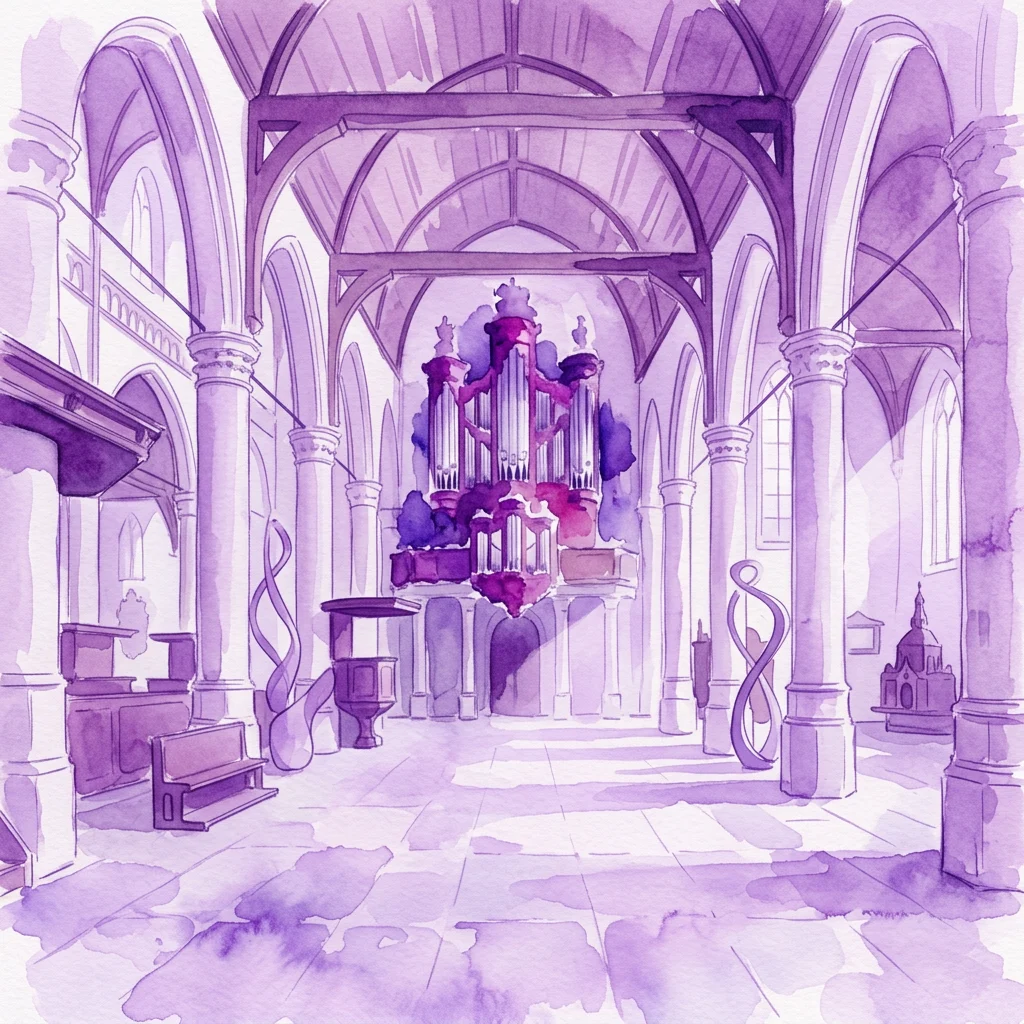
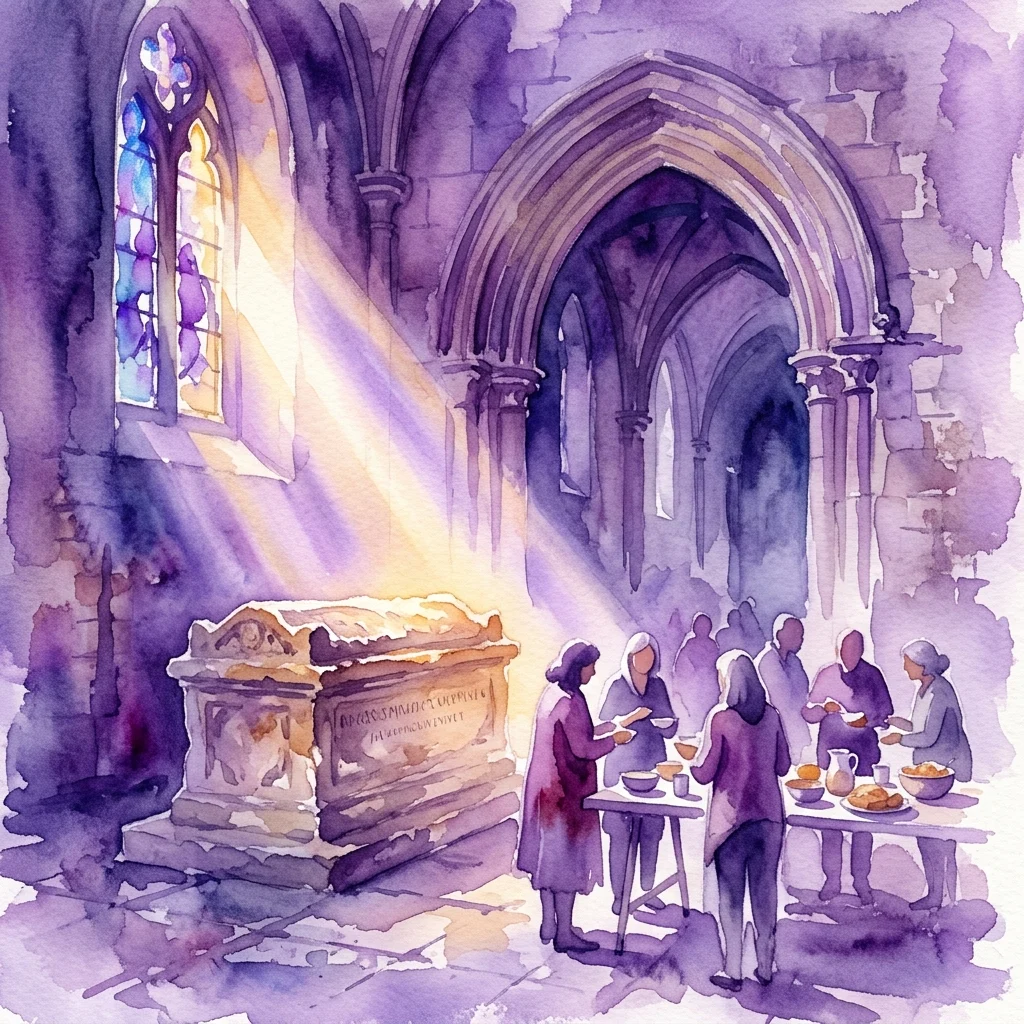
Oude Kerk presented 'Christian Boltanski: After,' an exhibition where the artist designed a landscape of tombs on the floor, creating a new perspective on the building's architectural past. Visitors could contribute to the work by whispering the names of those buried in the church, creating an auditory artwork.
The Oude Kerk hosted 'Christian Boltanski: After,' an exhibition by the renowned artist Christian Boltanski, known for his exploration of collective memory, transience, and the passage of time. The exhibition featured a striking installation on the floor of the church, designed as a landscape of tombs that emerged from the gravestones, offering a new architectural perspective and drawing attention to the past inhabitants of the Oude Kerk. A key interactive component invited visitors to contribute to the exhibition by whispering the names of individuals buried within the church into a contemporary confessional booth. These whispered recordings were then played back in the choir, gradually forming an extensive musical panorama that became an intangible part of the Oude Kerk's atmosphere. Boltanski viewed this work as repeatable, akin to musical compositions that can be performed repeatedly even after the composer's passing.
Boltanski's wider oeuvre often engages with themes of anonymity, fate, and the human condition, frequently employing found objects and immersive installations to evoke these subjects. The public program surrounding 'After' included a morning concert series titled 'Silence,' curated by Jacob Lekkerkerker and composer Frank Krawczyk, drawing conceptual and spatial connections to Boltanski's work. An educational program, developed in collaboration with the Jewish Historical Museum, encouraged young people to reflect on ways of remembering, particularly in the digital age, posing questions about the longevity of online profiles compared to human lives.