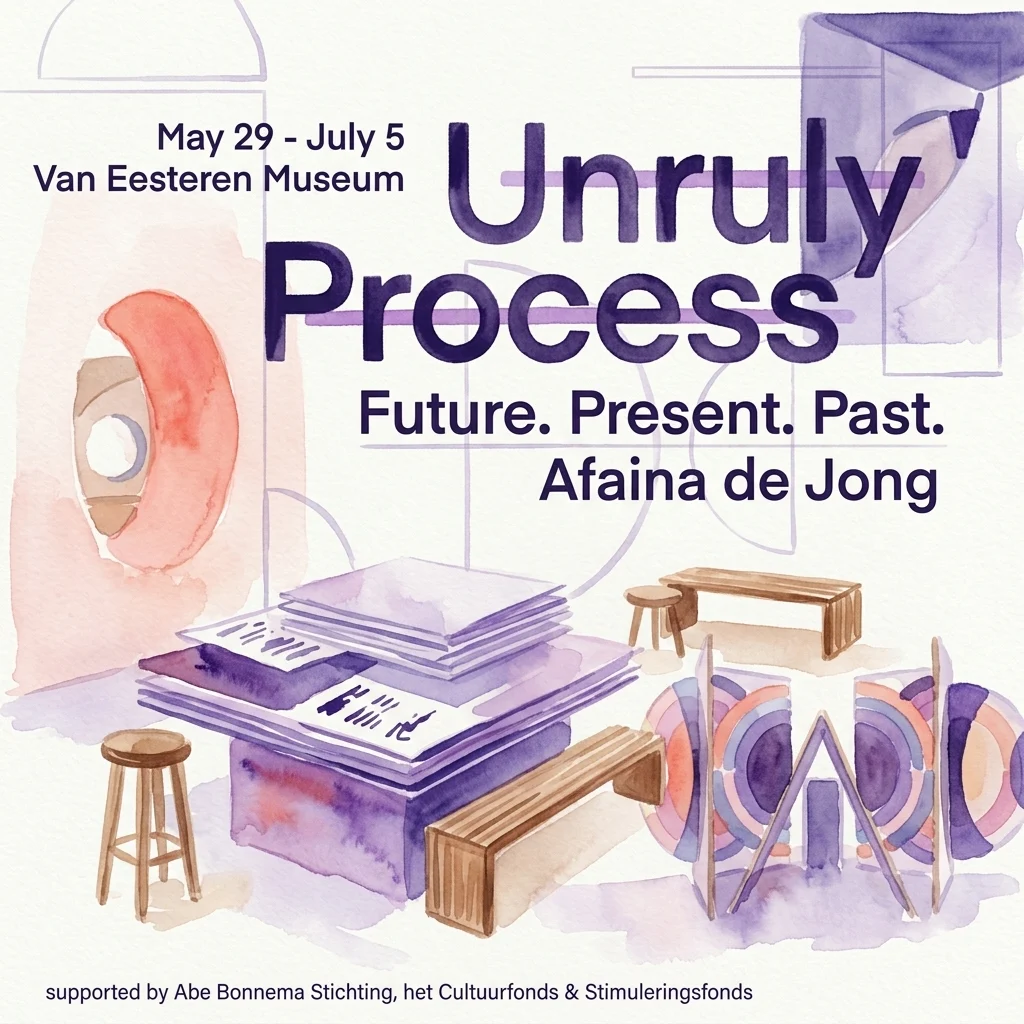
This exhibition installation delves into the historical concept of 'a room of one's own' for women in Amsterdam, inspired by Virginia Woolf's essay. It showcases various buildings constructed for single women throughout centuries, revealing changing perspectives on women, the city, and their emancipation.
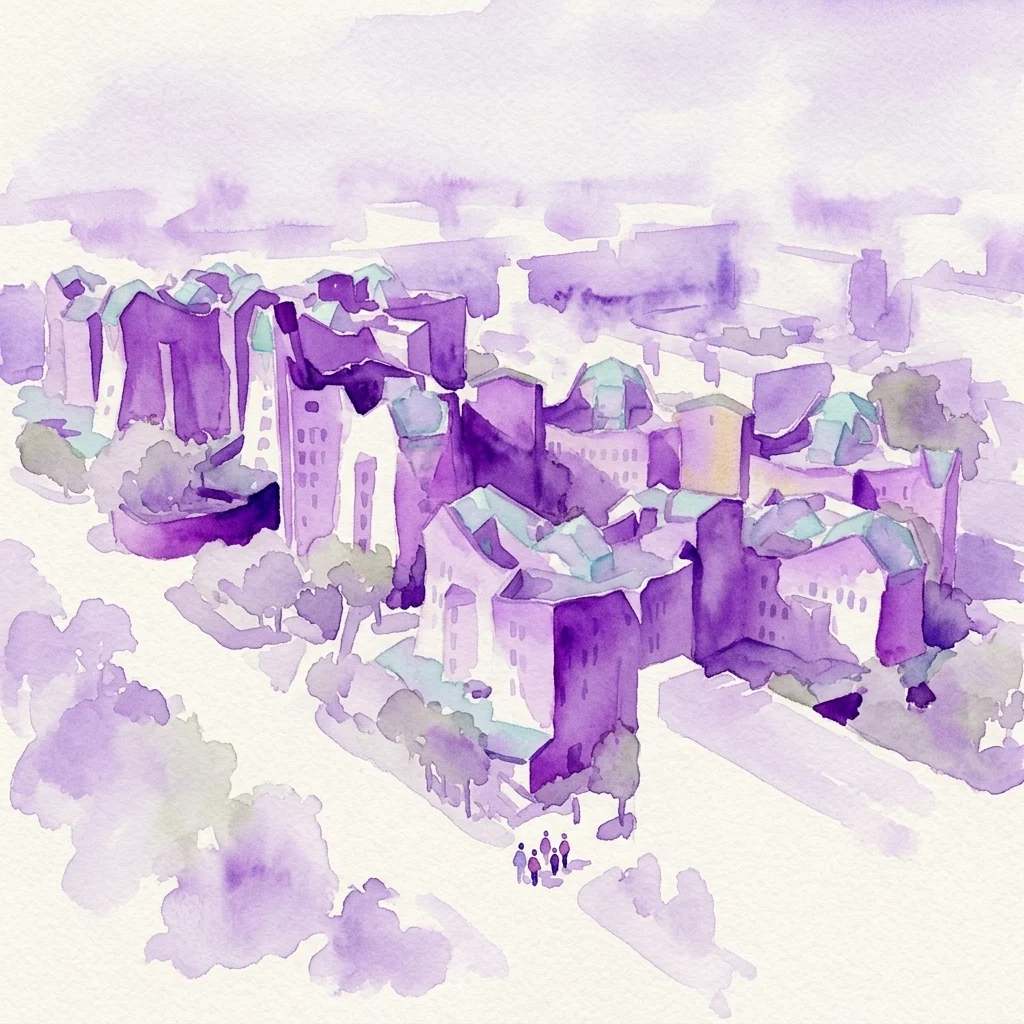
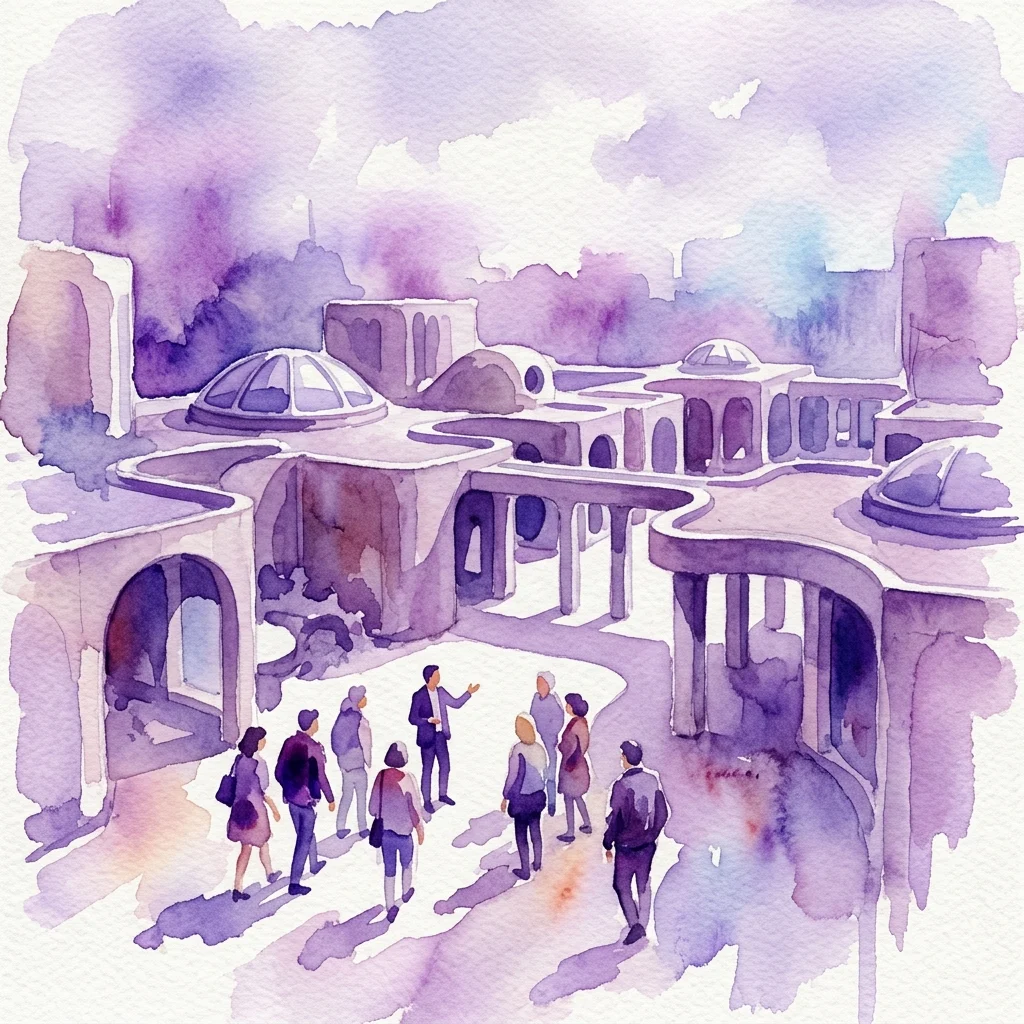
The exhibition installation "Een kamer voor jezelf" (A Room of One's Own) takes its starting point from Virginia Woolf's seminal 1929 essay, "A woman needs money and a room of her own if she is to write fiction." While the idea of a personal space has not always been a given for women, and is still not the norm for many, Amsterdam has a long history of building for single women. From the fourteenth-century Begijnhof to the Klokkenhof from 1962, and from the courtyards in the Jordaan to the Louise Wenthuis, the city is filled with these "rooms of one's own." These diverse buildings offer insights into how women, the city, and the relationship between them were viewed over time, questioning whether the city was perceived as a threat or an oasis of opportunities for single women. This perspective has shifted considerably throughout the ages, with buildings for single women acting as quiet witnesses to an increasingly emancipated view of women and urban life.
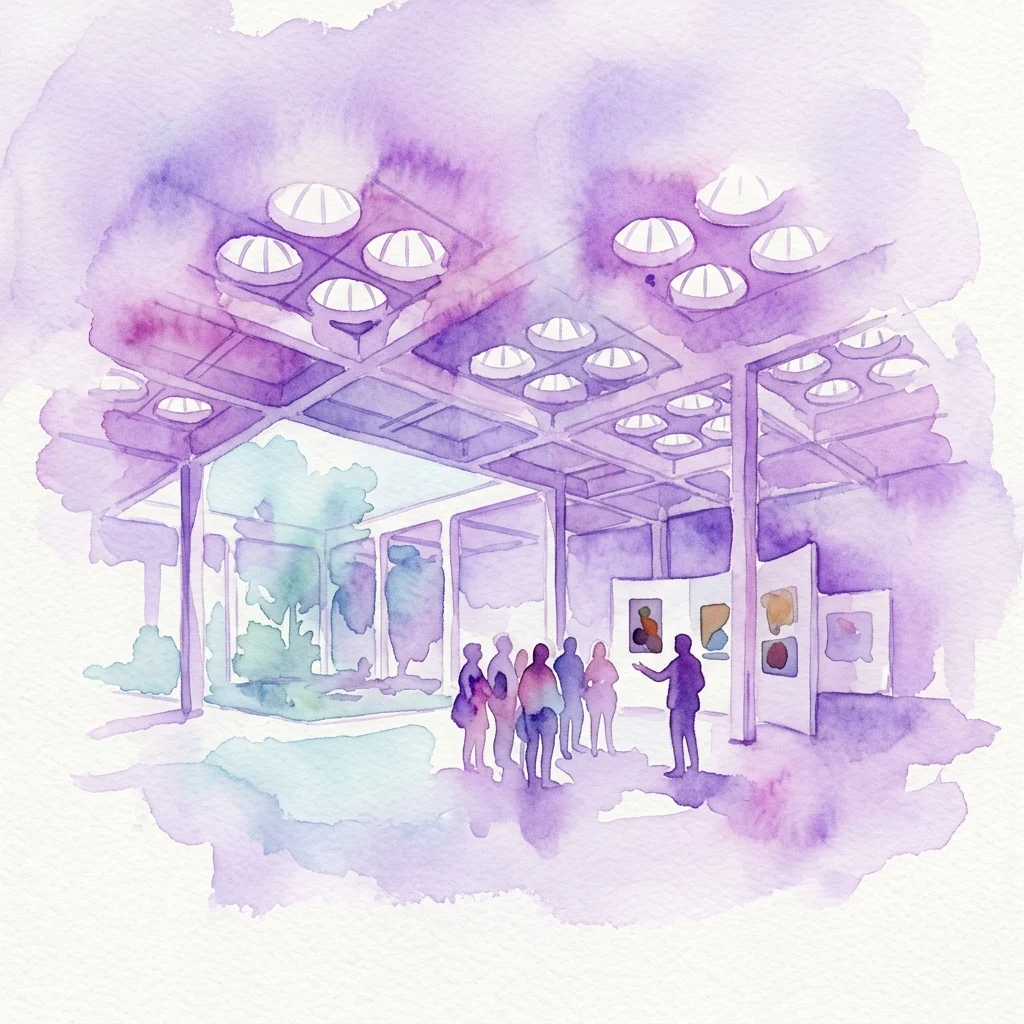
"Een kamer voor jezelf" juxtaposes these Amsterdam buildings, creating a timeline that spans the city and history. The exhibition not only examines the motivations of the financiers and architects but also gives voice to the female residents themselves, exploring how "a room of one's own" has transformed a woman's life. Curated by Laura Lubbers and Fabiola Eekhout, this installation is part of the museum's yearly theme, "Jakoba Mulder’s Kindred Spirits," which aims to challenge the predominantly male narrative in architectural and urban planning history.