Oude Kerk presents Ibrahim Mahama's 'Garden of Scars', a new, space-filling installation created especially for Amsterdam's oldest building. The exhibition connects the history of the Oude Kerk with an international context through hundreds of sculptures made from casts of tombstones and historical fort floors.
Oude Kerk presents Ibrahim Mahama's 'Garden of Scars', a significant site-specific installation commissioned over two years and created especially for Amsterdam's oldest building. This exhibition acts as a bridge, connecting the rich history of the Oude Kerk with broader international contexts, including trade networks, migration flows, and globalization.
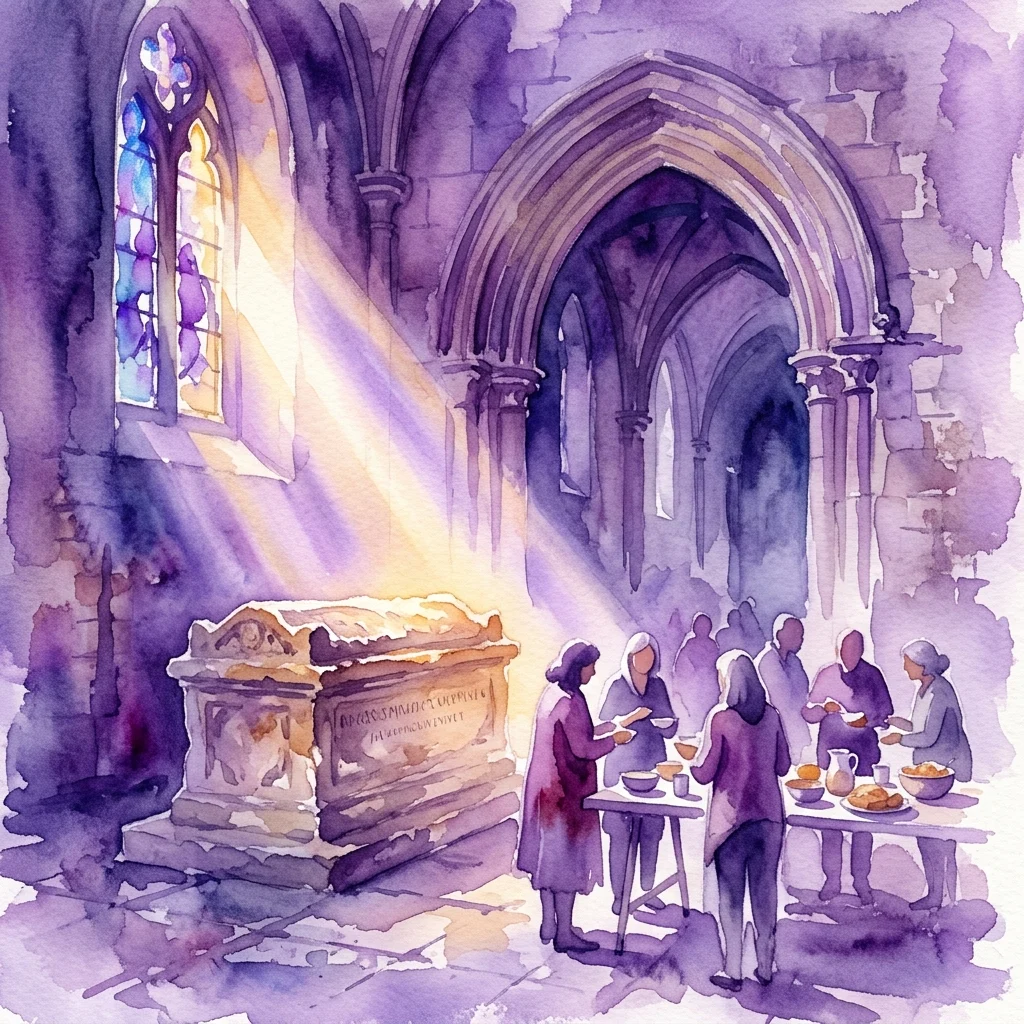
The core of the installation features hundreds of sculptures meticulously crafted from casts of tombstones found within the Oude Kerk and the floors of Fort Elmina in Ghana, among other historical sites. These sculptures, with their visible fractures, scratches, and cracks, serve as poignant metaphors for a history marked by failure, repair, and resilience. Mahama uses the gravestones, which form the 3000m2 floor of the Oude Kerk, as a lens to examine collective memory and question the social and political aspects of their creation. He draws parallels between the family histories of merchants and figures buried in the Old Church and the enduring traces of colonial trade and its consequences in places like Fort Elmina, a site that initially served the gold trade and later played a crucial role in the Trans-Atlantic slave trade.
Mahama's large-scale installations are known for their engagement with pressing contemporary issues, including the social and cultural impacts of global trade and migration. By utilizing existing materials, he makes visible shared histories between geographically and historically distant places, positioning himself as a 'time traveler' who presents multiple perspectives simultaneously. Previously, Mahama gained recognition for his installations incorporating burlap sacks, symbolizing the complex global economy from production in Asia to export from Ghana and eventual waste in his home country. His practice is rooted in a deep engagement with materials and their inherent historical narratives, making 'Garden of Scars' a powerful exploration of interconnected pasts and presents.