This exhibition by Iswanto Hartono explores the theme of colonialism through the lens of monuments within the Oude Kerk, relating them to historical sites in Indonesia. The artist's work critically examines the colonial past and its lasting impact on cultures and identities.
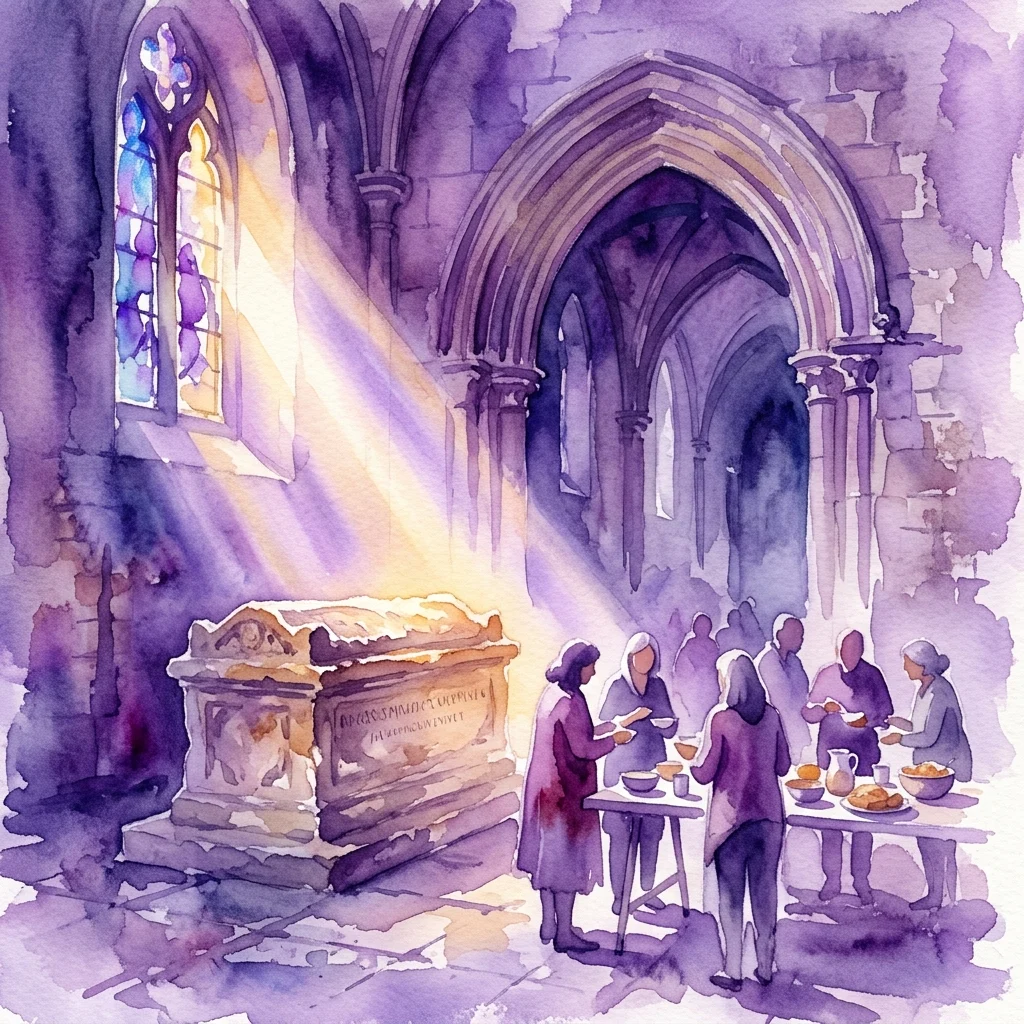
The Oude Kerk presented 'Iswanto Hartono: Monuments,' an exhibition that delved into the complex theme of colonialism by examining the numerous funerary monuments within the church dedicated to seafarers who were once honored as national heroes but now symbolize ethnocentric appropriation. In the context of Europalia Indonesia, Hartono reflected on the indelible connection between colonization and the Oude Kerk's history from an anthropological and archaeological perspective.
Hartono studied the monuments within the Oude Kerk, drawing parallels to displaced monuments in Banda (the Moluccas), Jakarta, and Sumatra (formerly Dutch East Indies, now Indonesia). These monuments, erected by the Dutch to commemorate events or deeds outside the context of colonized cultures, prompt questions about what they truly represent: the terrible annexation, slavery, and oppression, or merely the presence of a dominant power? In response, the artist created new works that raise awareness of a colonial history often deliberately forgotten. True to the exhibition's theme, the artwork itself was designed to slowly decay over time, mirroring the disappearance of certain cultures and traditions in Indonesia and the fading recognition of this past in the Netherlands. The exhibition was staged in several period rooms.
Iswanto Hartono's interdisciplinary practice centers on themes of history, time, space, and urbanity. Trained as an architect, his work shows a keen interest in structure, form, and the alternative use of space, aiming to foster critical awareness of our perception of space as something taken for granted. Hartono is particularly drawn to Indonesian traditions and histories that are frequently overlooked today, with previous projects also addressing colonialism and the struggle for identity in contemporary Indonesia.