Antonio Obá's installation 'Path' delves into the shared history of Dutch-Brazil, questioning colonial narratives through sculptures and paintings placed in symbolic locations within the Oude Kerk. The works explore the fusion of cultural traditions and the meaning of religious icons and rituals.
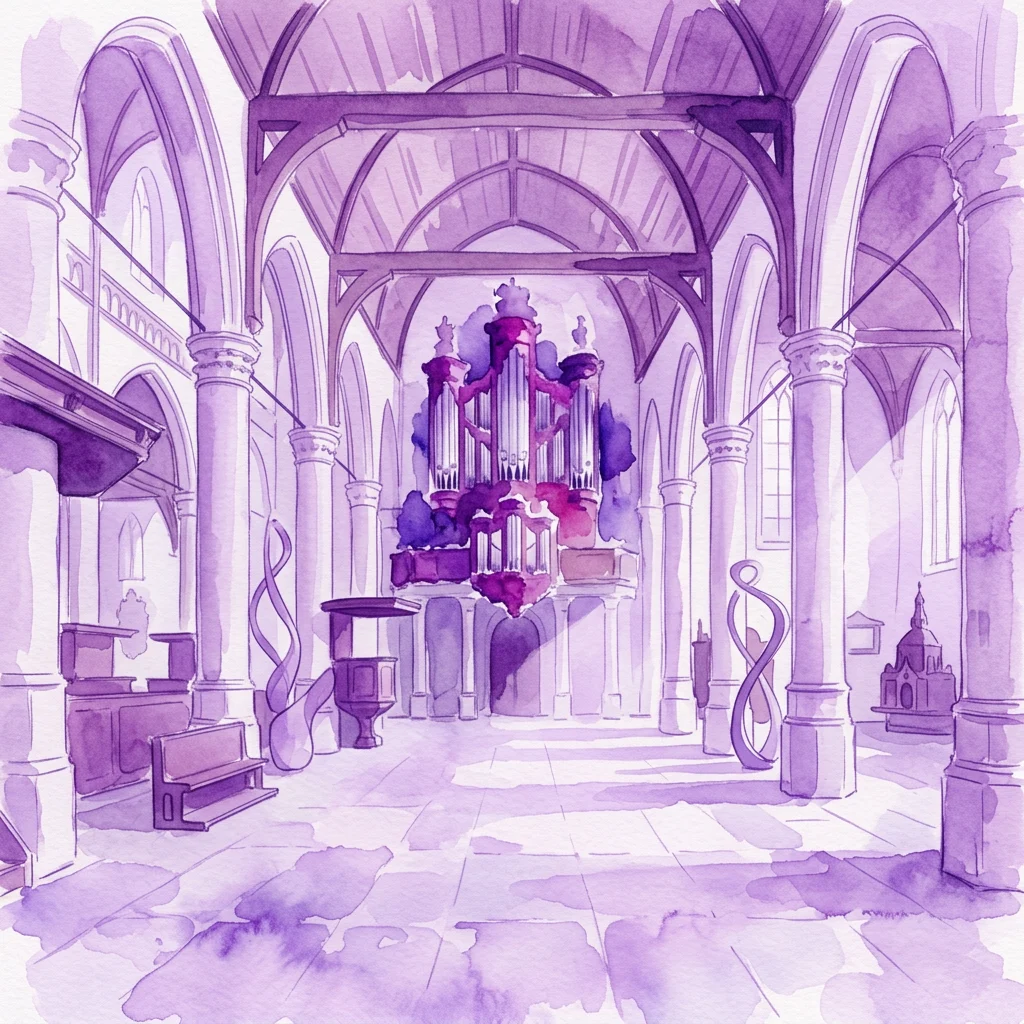
Antonio Obá's installation, 'Path', thoughtfully engages with the intertwined colonial history of the Netherlands and Brazil, a narrative deeply embedded in the fabric of the Oude Kerk itself. The church served as a frequent space for sailors and administrators of the West India Company (WIC), some of whom are buried within its walls, highlighting a direct relationship to this colonial rule. Obá's work critically examines this shared history through a series of sculptures and paintings strategically placed in significant areas such as the High Choir and beneath the Vater-Müller organ.
In 'Path', Obá manipulates religious icons and rituals to reflect on the blending of cultural traditions that arose from colonial encounters. The installation features distinct pieces like 'Iron Garden', an arrangement of swinging sticks with bells intended to evoke liturgical and alarm functions, and paintings depicting unsettling yet intimate scenes. 'Suspended Children' uses mirrored panels and hand-painted banners to play with spatial perception, referencing West African religious traditions that persisted in the Americas post-Transatlantic slave trade. Further contributing to the narrative, the triptych 'Malungo' addresses the power dynamics of Christianity and Catholic dominance in Brazil, juxtaposing black figures on gold-plated panels with blackened saints. Works like 'Pregação', using steel nails on canvases, and the wooden sculpture 'Totem, Candles', also explore themes of preaching, securing, and spiritual traces, offering a multifaceted reflection on history, faith, and cultural identity within the Oude Kerk's historical context.