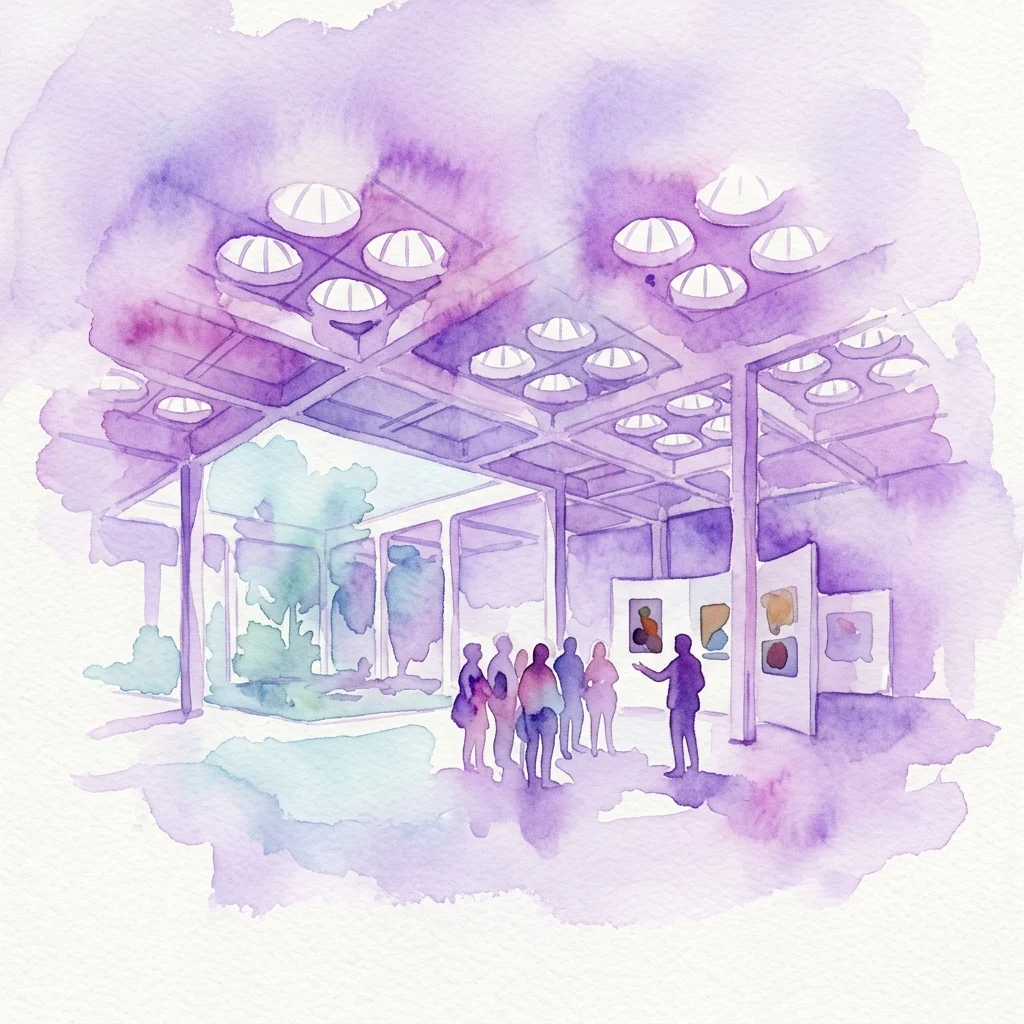
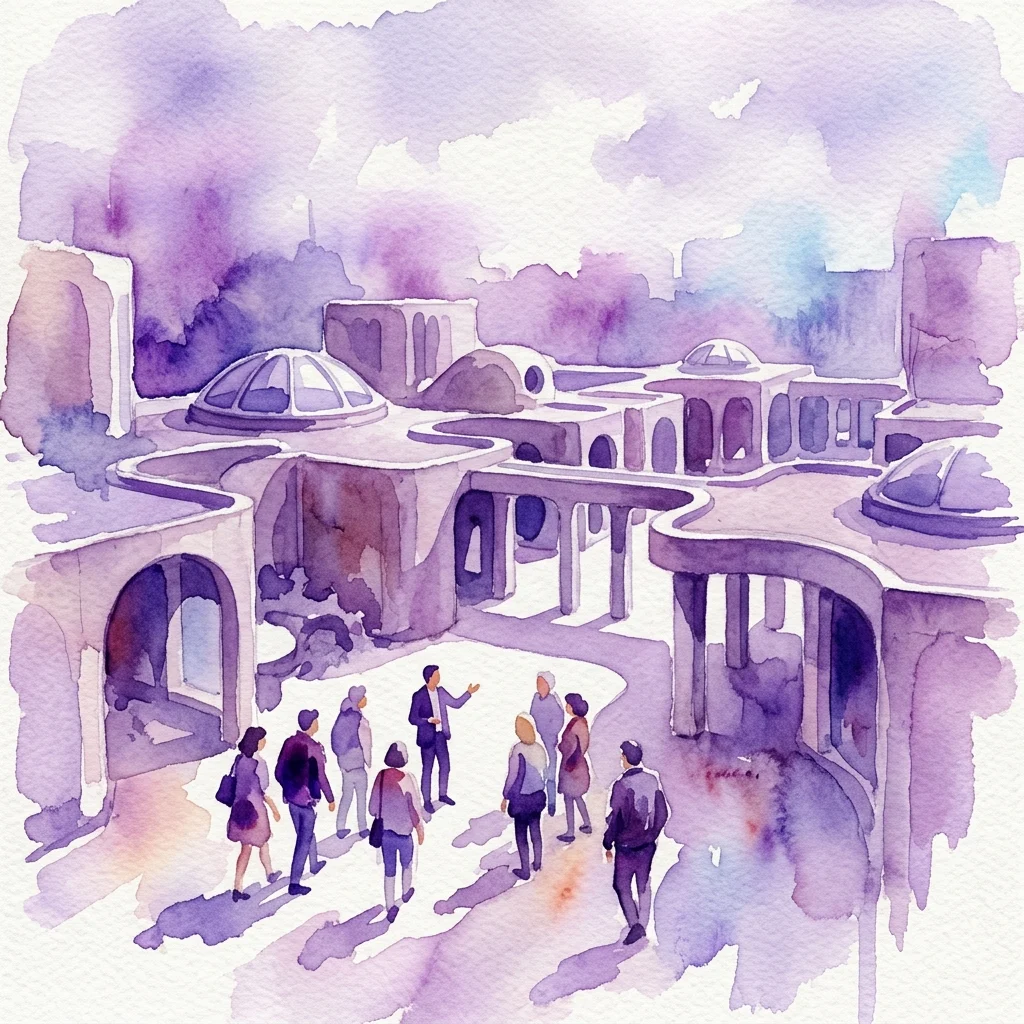
This exhibition explores the multifaceted relationships between plants and people, focusing on cultural rituals and spiritual connections. It delves into the significance of plants in urban environments, particularly in Amsterdam's Nieuw-West district, highlighting their impact on mental and physical well-being.
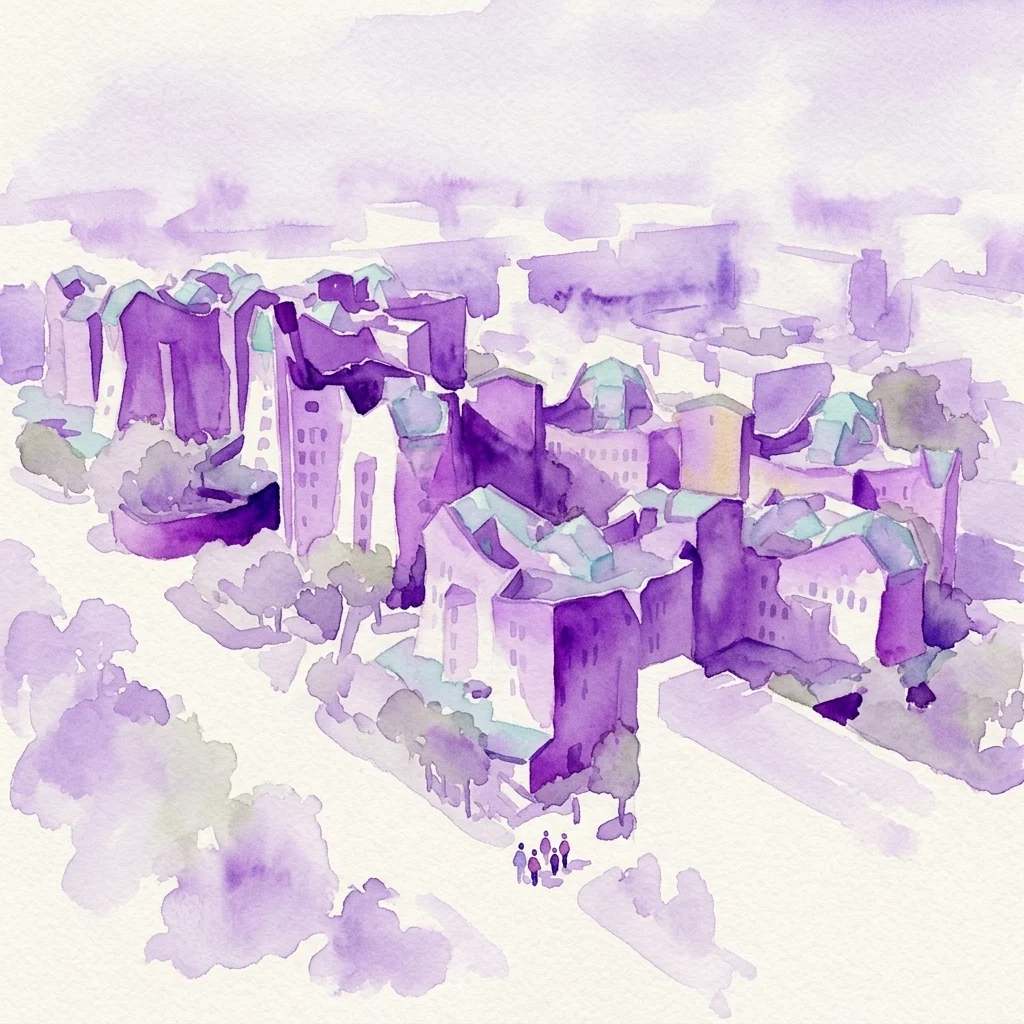
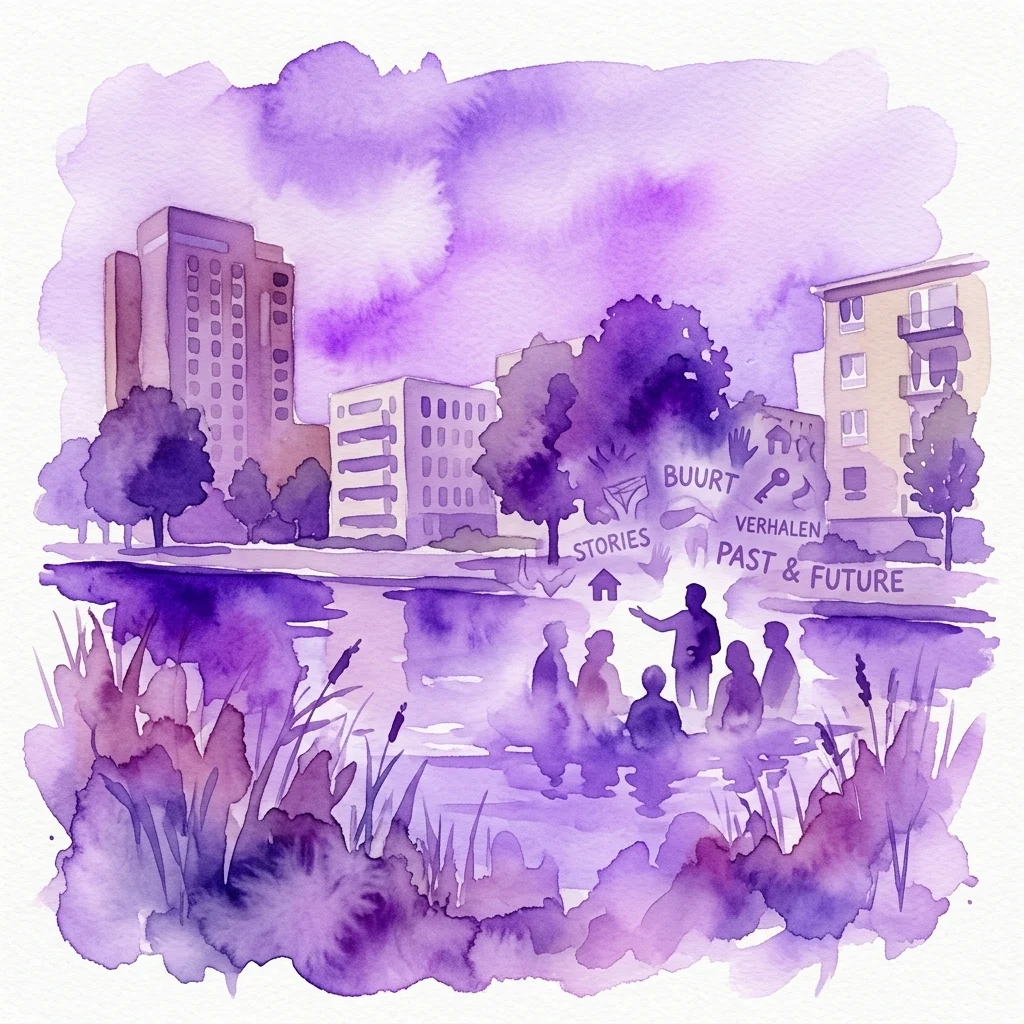
The exhibition 'The Sacred Life of Plants' investigates the diverse connections between plants and humans, with a central focus on cultural rituals and spiritual bonds. Nieuw-West, Amsterdam's greenest district, was shaped by urban planners Cornelis van Eesteren and Jakoba Mulder, who prioritized abundant green spaces for residents' well-being. Their vision ensured easy access to parks and gardens, underscoring nature's functional benefits for health and happiness.
As the demographics of Nieuw-West have shifted since the 1970s, so too has the relationship between its inhabitants and plants. This exhibition seeks to understand the deeper meanings plants hold for current residents beyond mere functionality or decoration. It showcases personal stories from neighborhood residents about their unique relationships with plants, exploring what trees, plants, and flowers signify to them. The exhibition also examines lessons from various religions, spiritual practices, and cultural traditions regarding our interaction with plants, and how these personal narratives can shape our understanding and care for the natural world. 'The Sacred Life of Plants' illuminates the profound, ingrained connections between humans and the natural world, revealing how plants are cherished, honored, and actively integrated into daily life, fostering resilience, aiding healing, and building bridges between people and communities.