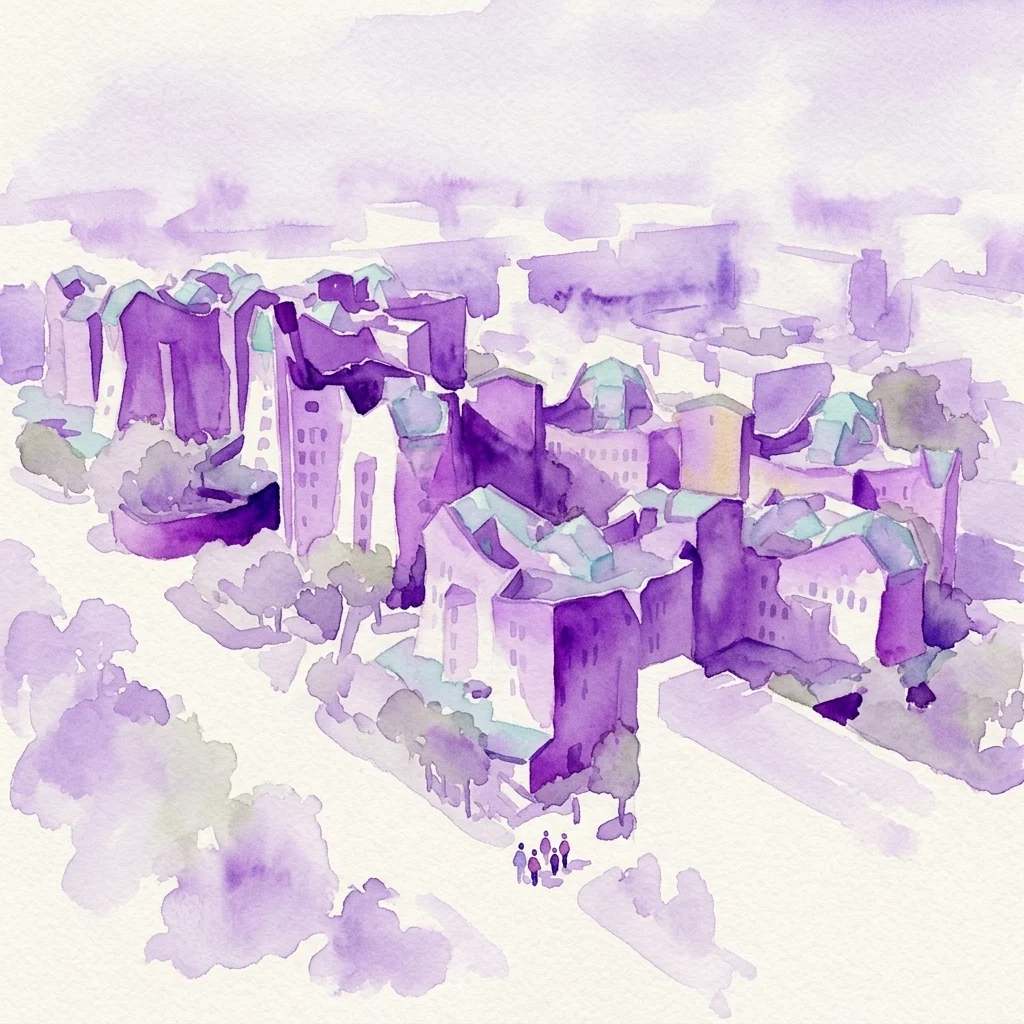
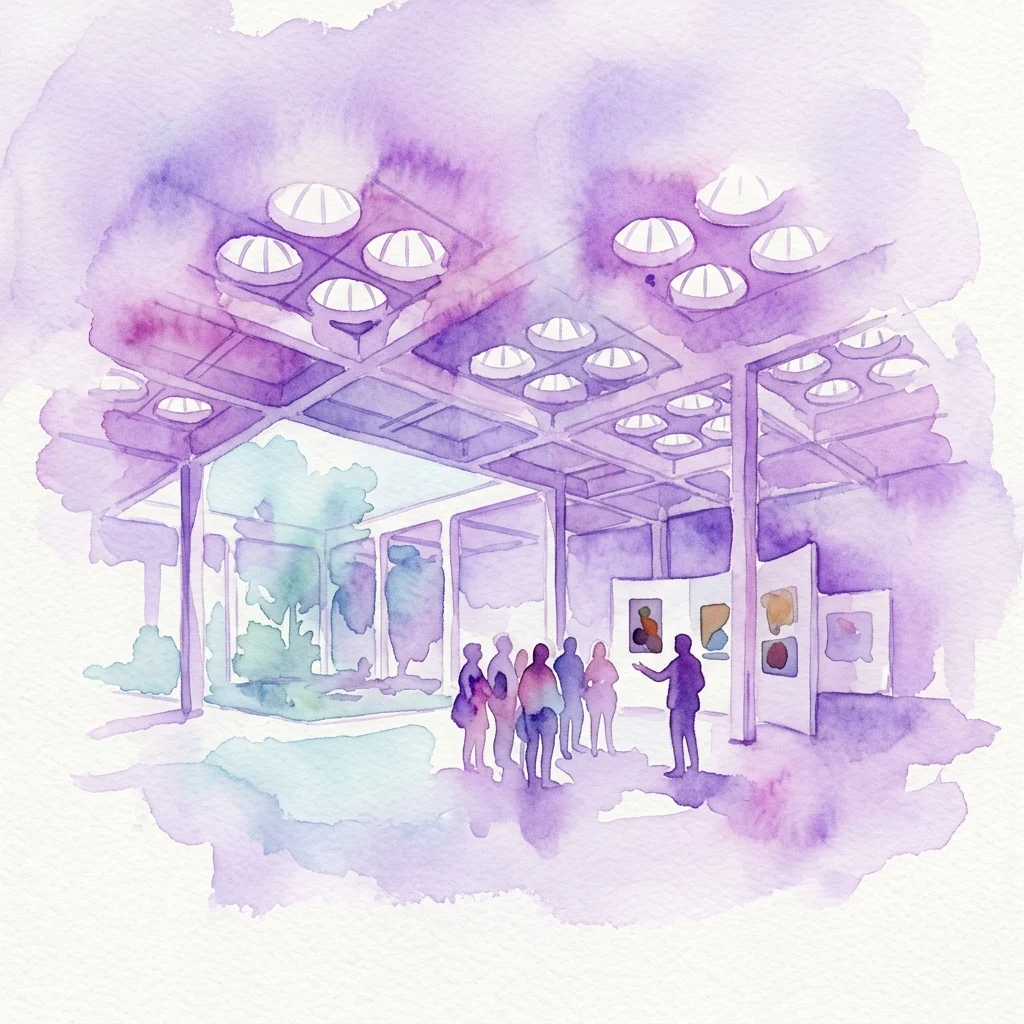
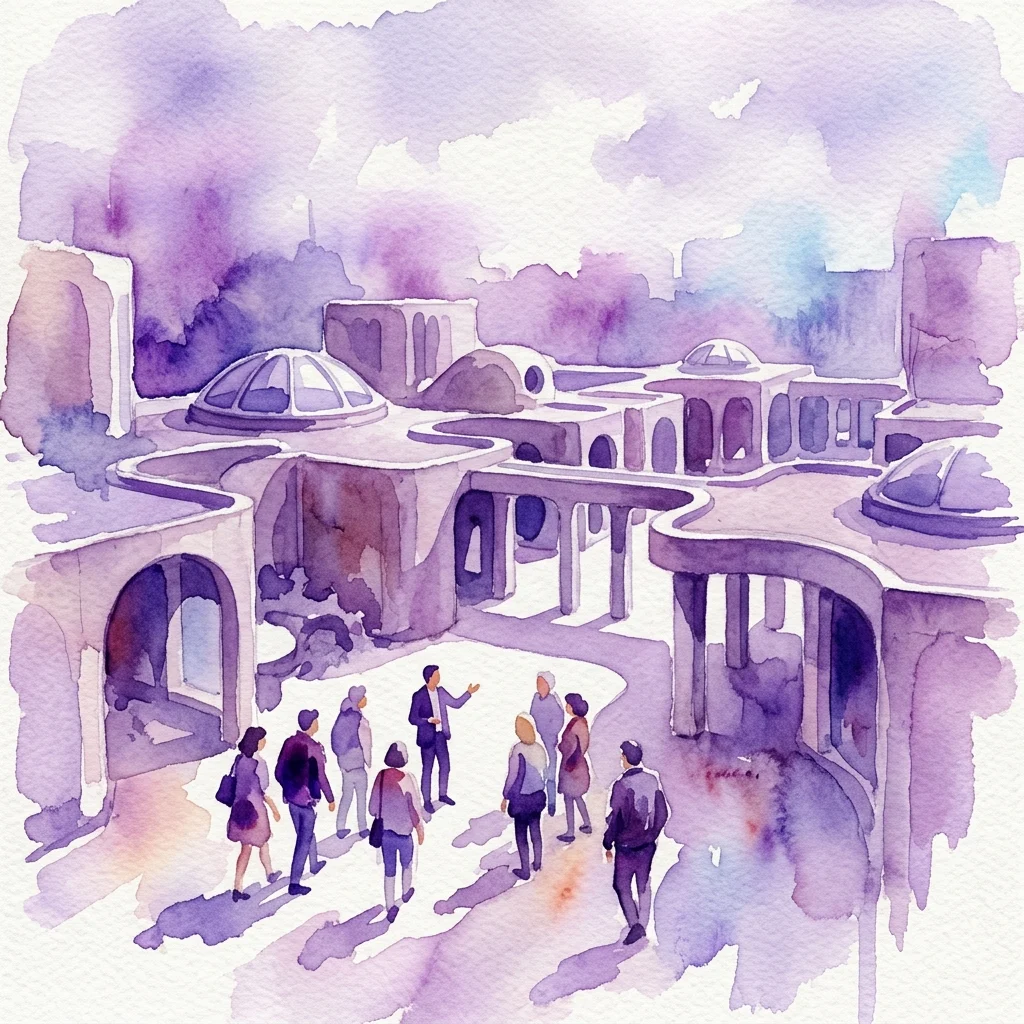
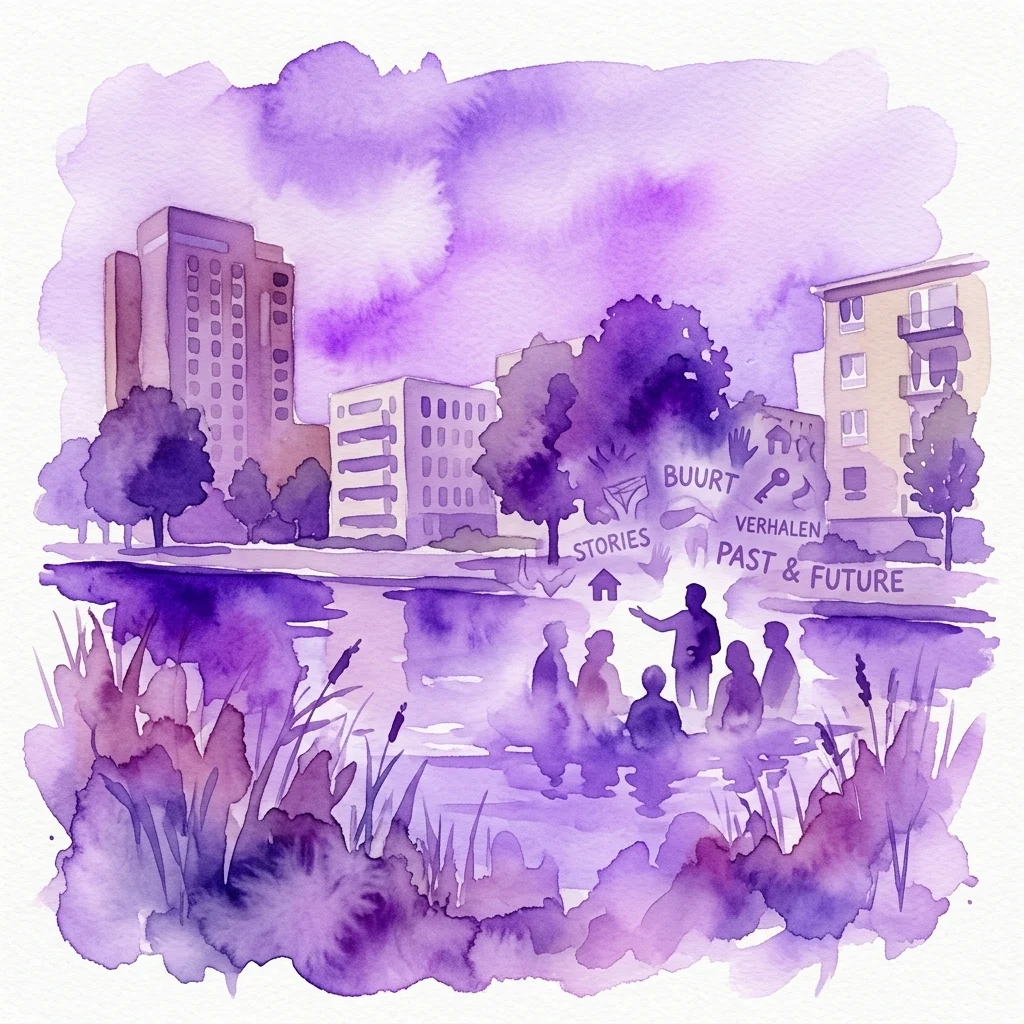
This walking tour explores the future-oriented urban design of Watergraafsmeer, focusing on the Frankendael and Middenmeer neighborhoods as envisioned in Amsterdam's 1935 Algemeen Uitbreidingsplan (AUP). Led by a guide, participants will discover the successful integration of green spaces and the architectural contributions of prominent figures.
Wander through the future visions of Watergraafsmeer on this guided tour, delving into the Frankendael (also known as Jeruzalem) and Middenmeer neighborhoods. These areas are integral to Cornelis van Eesteren and Jakoba Mulder's 1935 Algemeen Uitbreidingsplan (AUP) for Amsterdam. The walk highlights the innovative green courtyard designs in Frankendael, which served as a model for subsequent developments like Middenmeer, contrasting with earlier strip development.
Participants will learn about the city planners Van Eesteren and Mulder, and the significant architects such as Merkelbach, Stam, Van Eyck, Zanstra, and Schaik, alongside landscape architects Mien Ruys and Hans Warnau. The tour emphasizes the abundant greenery, described by Van Eesteren as 'the workers' paradise', and the successful realization of Jeruzalem, the first post-war district in the Netherlands to achieve national monument status. The tour concludes by pointing visitors to other AUP neighborhood walks.