
Madrid
Museum itinerary · Madrid

Two Aristocratic Homes Near Plaza de España, Cerralbo and Liria

Compare the rooms of one marquess with the collections of a family across generations.

At Cerralbo, notice how a visitor’s route through the staircase and reception rooms shaped a view of the owner. Nearby at Liria, follow a different story through the House of Alba’s portraits, furnishings and tapestries on the visit you book.

Museum stops
2
Visits and transfers
2 hr 52 min
Suggested days
Tue, Wed, Thu, Fri, Sat, & Sun
Why these museums go together

Two houses near Plaza de España approach collecting in different ways. One is a densely furnished home built around a marquess’s tastes, and the other gives a longer view of the collections of a family.

Take the role of a nineteenth-century visitor at Cerralbo: notice how the staircase and reception rooms build an image of the owner. Then use Liria to see how the House of Alba collected and kept objects across generations. In both houses, choose a room and ask what it is telling you through the way the works are grouped, not only through the name of an artist.

ArtHistoryArchitecture
Route map
© OpenStreetMap contributors

The itinerary, stop by stop

Stop 1 · 1 hr 25 min
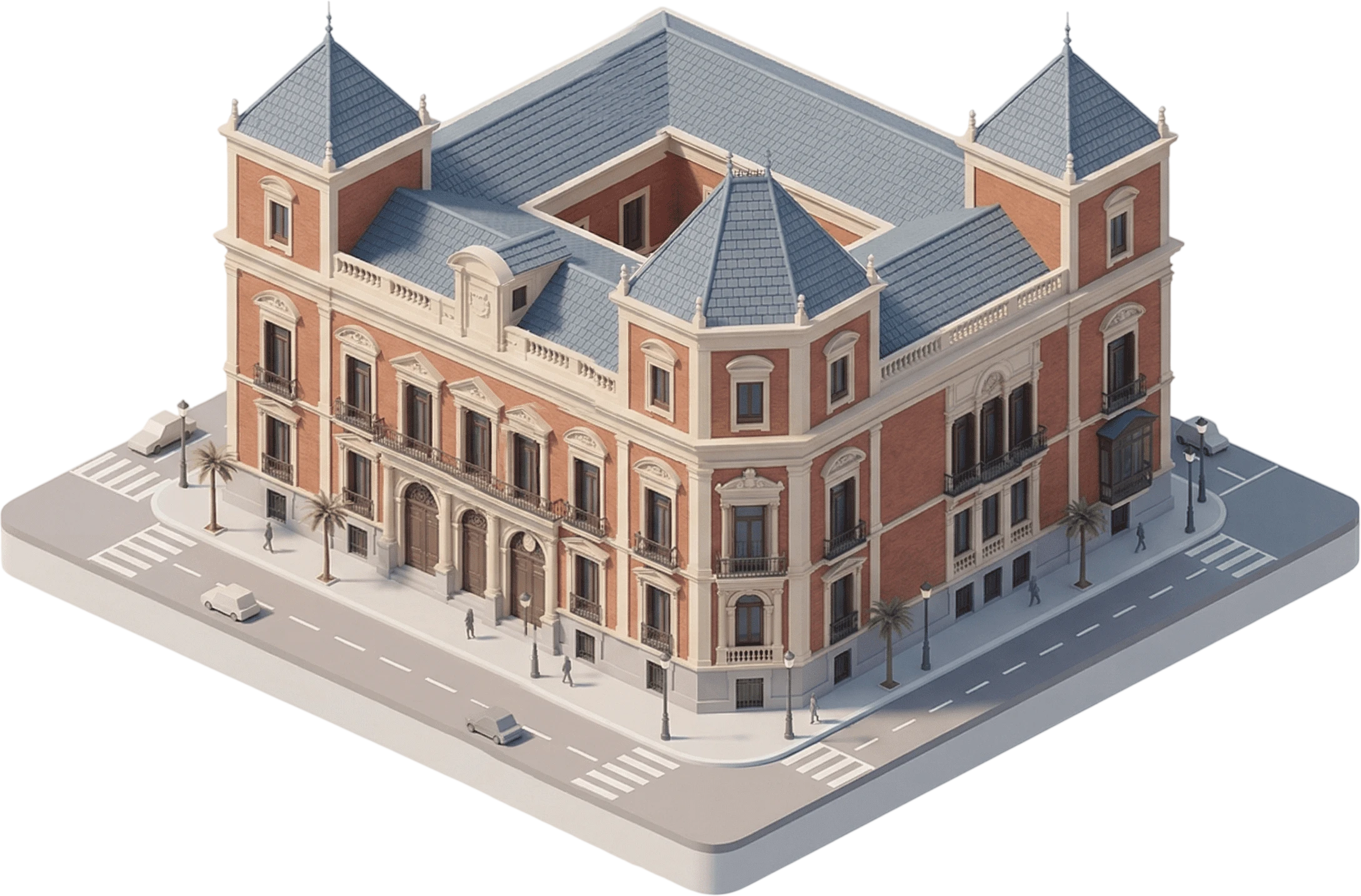
Cerralbo Museum

Use the ceremonial stair to enter the period interiors, then focus on the principal floor. Make the armoury and ballroom your two anchors if those rooms are open, with a short detour to a gallery or the Sala de Columnitas. As you move, notice which objects were placed to establish a theme and which seem like projects of collecting in their own right. Avoid treating the house as a list of artworks detached from the rooms.

What to look for

The Escalera de Honor
Pause at the lower level to see how the staircase directs a newly arrived guest. After climbing, look back down to see how the same space frames someone arriving.
The armoury
Look for the difference between armour made for wear and how it is arranged as part of a nineteenth-century display. Compare its density with the spaciousness of the reception room.
Sala de Columnitas
Notice ceramics, small sculptures and objects placed at different heights. Try to see how a shelf or pedestal creates a hierarchy even where many objects compete for attention.
The ballroom
Read the room as a place of movement, with positions for guests and sightlines across the floor. This is a practical contrast with the spaces where the marquess displayed dense groups of objects.
El Greco’s Saint Francis in Ecstasy
If the work is on view, look at how the elongated figure and small number of accessories slow your attention. The painting gives a contrast to the numerous objects the marquess grouped together on the same house visit.

Walk · 7 min

Getting to Liria Palace

Walk via Ventura Rodríguez → Princesa → Duque de Liria. Budget 7 min for roughly 440 m.

Stop 2 · 1 hr 20 min
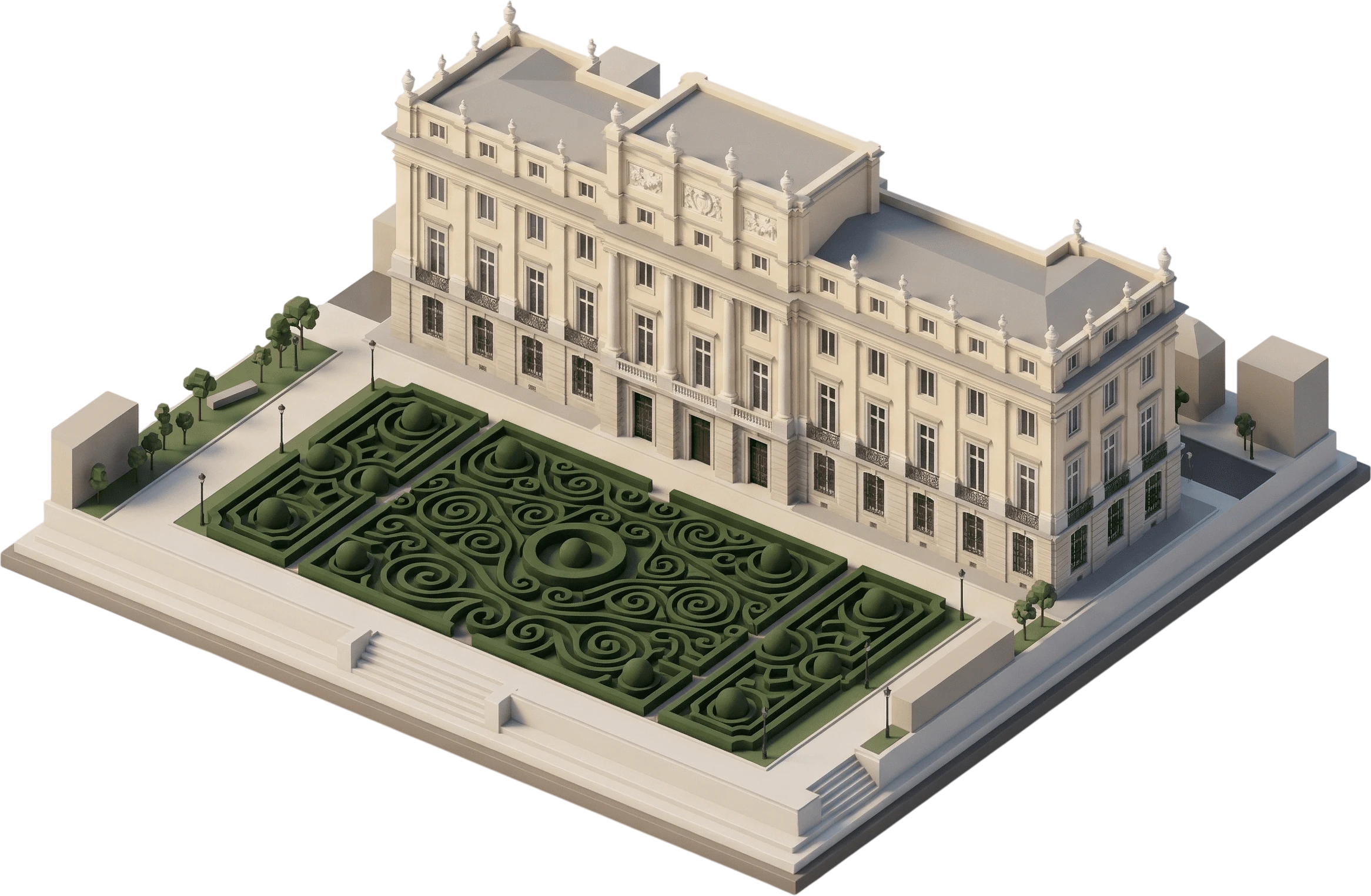
Liria Palace

Follow the visit you actually booked. Start by noticing how the palace tells the family story before focusing on the painting rooms. If the Goya room is on your route, use its facing portraits as the key comparison. Use a tapestry, furnishings or a library detail as a second theme depending on what your visit includes. Check the operator’s room list rather than expecting to roam independently.

What to look for

Goya’s Duchess of Alba in White
Look at how the pale dress stands out and how the figure’s pose uses the open setting. Then compare the apparent informality with how the portrait still presents the rank of its sitter.
The facing Goya portrait
The palace identifies a later portrait facing the Duchess in its Goya room. When both hang there, compare the sitter’s posture, scale and distance from the viewer instead of treating the room as a single masterpiece.
Flemish tapestries
If your route passes the tapestry display, compare its size and role in a furnished room with a painting on the same route. A woven object can organise a whole wall rather than occupy a single point on it.
The palatial library
If included on your visit, notice how the room keeps a family archive and collection visible through furniture and arrangement. Look at what is actually displayed; famous documents in the holdings are not all necessarily on view.
Timing, booking and admission

Set your pace

Aim for Cerralbo at around 10:00 and give it 85 minutes, with extra time beforehand if the entrance is busy. Book Liria for about 11:45 or 12:00. The walk is only about seven minutes, but the gap gives you time to leave the first house and check in at Liria’s entrance. Allow 80 minutes for the session and arrival. If the Cerralbo queue is long, cut the first visit to the staircase and main-floor rooms; keep the booked Liria session fixed.

What to book ahead

Aim for Cerralbo in the first part of the morning and reserve a late-morning Liria session. Cerralbo’s usual daytime closing is 15:00. Leave extra time for queues at the small museum and follow Liria’s arrival instructions.

Tickets and museum passes

These houses have different operators and ticket rules. Check Cerralbo’s eligible free periods and capacity before choosing a busy Sunday, and reserve Liria separately at the time you can realistically reach. Check whether an advertised library or thematic visit is the same ticket as the standard palace circuit.

Sources and route research

Discover Compelling Museum Exhibitions Across Madrid's Leading Cultural Institutions
Explore diverse art, history, and cultural programs showcased throughout the city.
Explore the dynamic world of museum exhibitions in Madrid, featuring a variety of artistic and historical programs. Uncover engaging cultural showcases throughout the city's distinguished venues. Find your next inspiring art or cultural experience in Madrid.
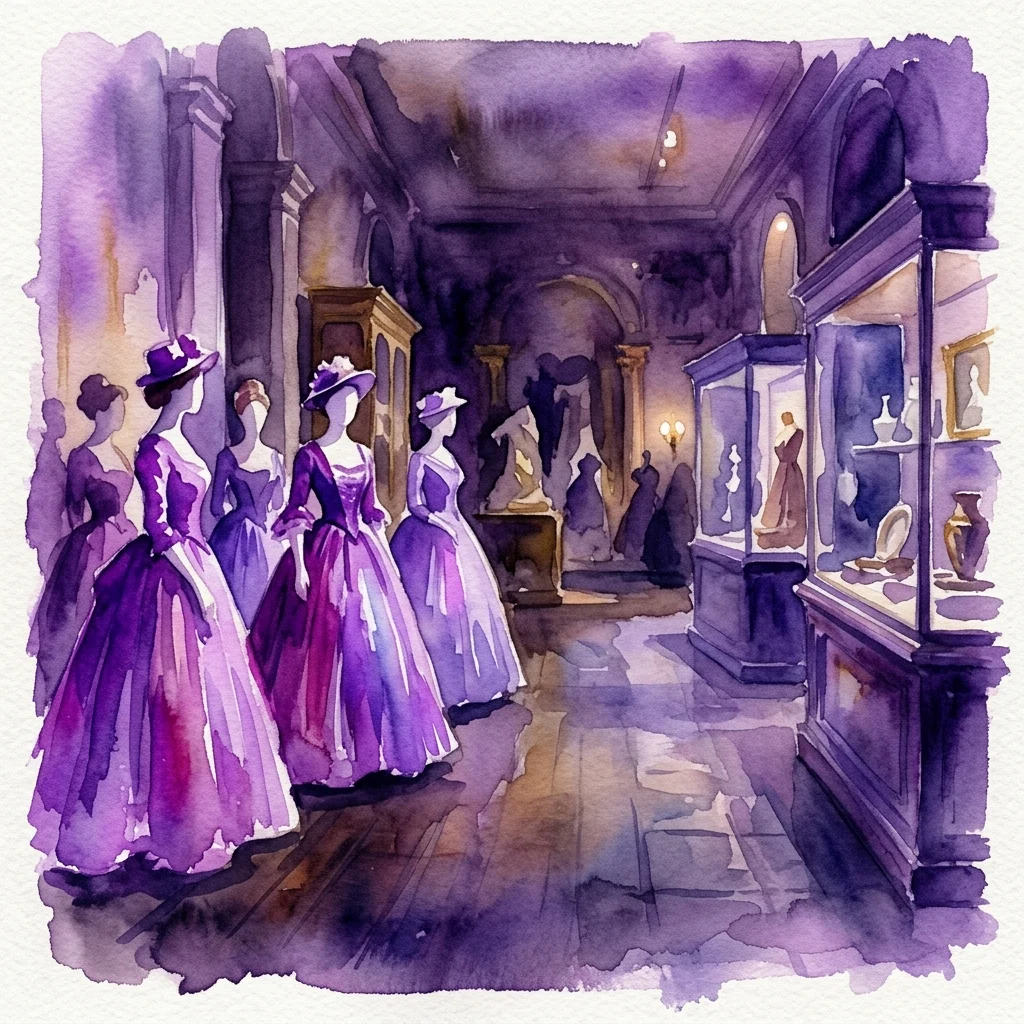
Watercolor illustration of a museum gallery featuring mannequins in 19th-century romantic-era dresses, with display cases and historical artifacts, evoking the fashion of Spain from 1833-1868.
Museo Nacional de Artes Decorativas
Permanent exhibition

Explore "Romanticismo (1833-1868)": Spanish Fashion History from the Romantic Era

Witness social and stylistic shifts in clothing from 1833 to 1868.

This permanent exhibition delves into fashion trends during the Romantic period in Spain. Discover how the rising bourgeoisie influenced both male and female attire, contrasting somber men's wear with opulent women's styles.

Romanticismo Exhibition
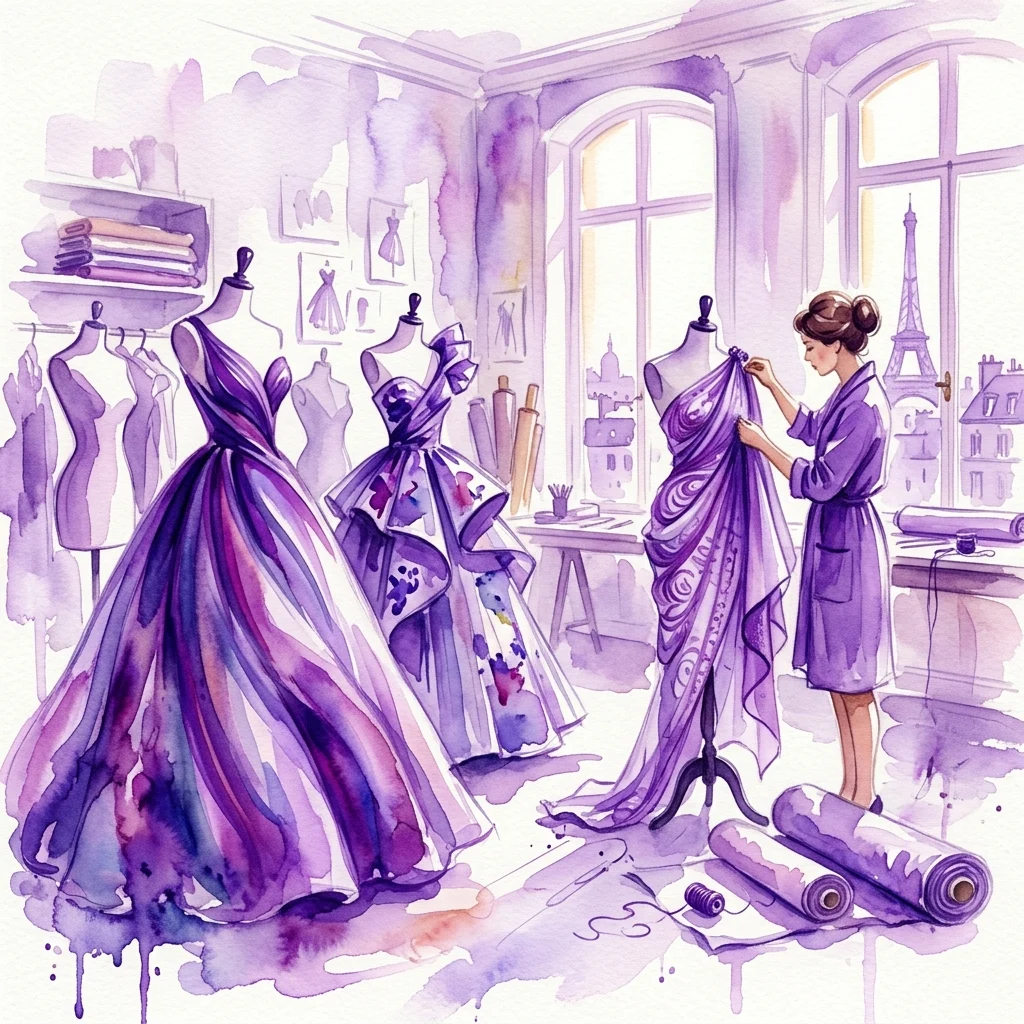
A watercolor illustration of a Parisian haute couture workshop with mannequins displaying dramatic purple gowns, a designer draping fabric, and the Eiffel Tower visible through the window.
Museo Nacional de Artes Decorativas
Permanent exhibition

Cristóbal Balenciaga: Exploring the Fashion Legacy at Decorative Arts Museum

A permanent exhibition on the master Spanish couturier's art.

Discover the unparalleled artistry of Cristóbal Balenciaga and his transformative impact on haute couture. This display showcases his innovative designs, mastery of fabrics, and pursuit of elegance. Learn about the iconic Spanish fashion house.

Balenciaga Exhibition
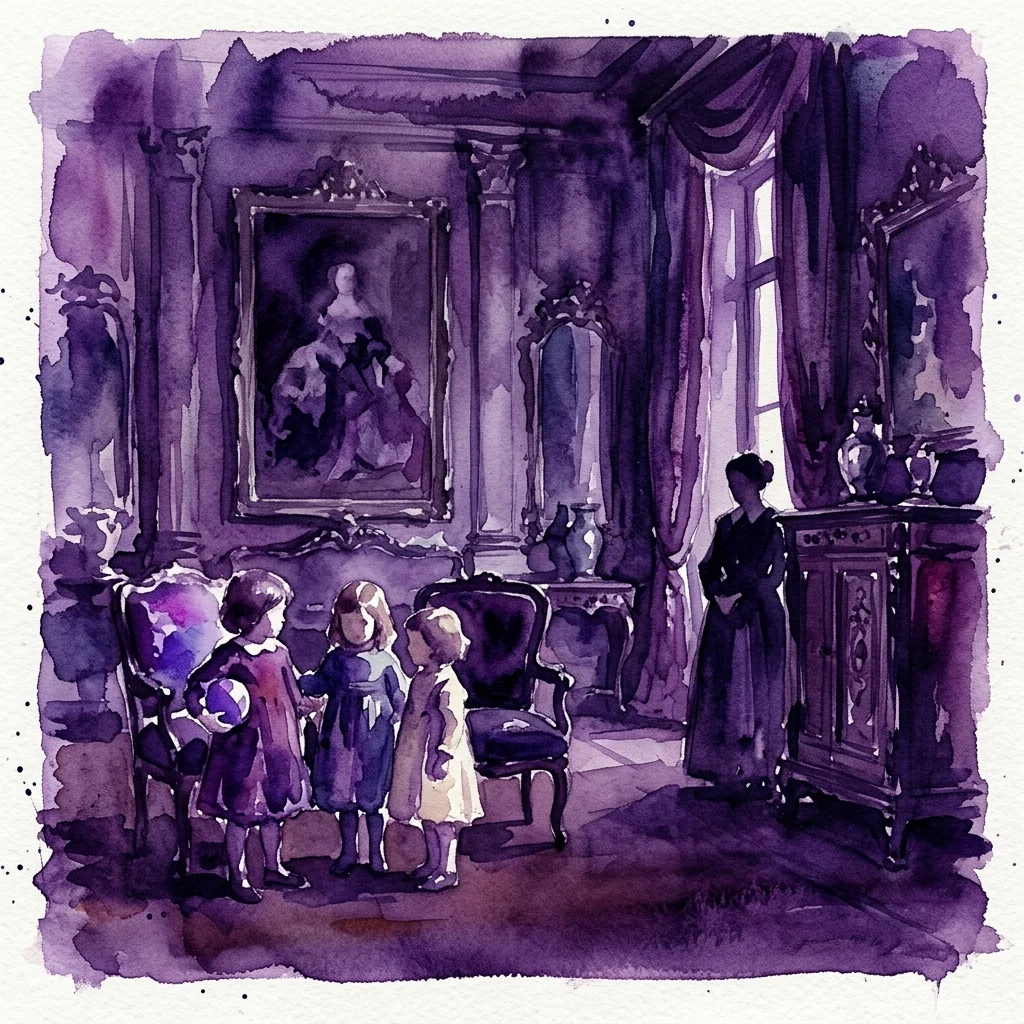
A watercolor painting of three children in a grand, dimly lit salon with purple tones, inspired by Sorolla's 'Mis hijos' (My Children) and referencing Velázquez's 'Las Meninas' and Sargent's 'The Daughters of Edward VII'.
Sorolla Museum
Permanent exhibition

Discover Joaquín Sorolla's 'Mis hijos' Masterpiece at the Sorolla Museum

A monumental 1904 family portrait inspired by classical Spanish art.

Explore Sorolla's 'Mis hijos,' his ambitious 1904 oil painting featuring his three children. This artwork is renowned for its scale and composition, drawing inspiration from revered artists like Velázquez and Sargent. Gain insights into a pivotal work demonstrating Sorolla's artistic evolution.

Mis hijos Exhibition
Madrid

Find All Museums in Madrid: Your Essential List of Cultural Institutions

Browse art, history, and science collections throughout the Spanish capital.

Navigate Madrid's impressive range of museums, from grand national institutions to smaller, unique galleries. Discover various exhibition topics and plan your exploration of the city's vibrant cultural scene.