
Madrid
Museum itinerary · Madrid

Lope de Vega’s Madrid Home and the Art of the Spanish Golden Age

Start in a Golden Age writer’s rooms and end with the painters who brought such interiors to life.

Book a guided visit to Lope de Vega’s home and look at how the study, oratory and garden relate to one another. At the San Fernando Academy, compare how Zurbarán and Pereda use light, objects and unfamiliar viewpoints to make figures or interiors feel present.

Museum stops
2
Visits and transfers
2 hr 41 min
Suggested days
Tue, Wed, Thu, Fri, Sat, & Sun
Why these museums go together

Begin with the domestic world of a Golden Age writer. Then use the Academy to look at a longer tradition of Spanish images, from religious painting to portraiture, with the rhythms of the house still in mind.

The writer’s house gives a tangible sense of where someone could work, dine or withdraw in Madrid’s Golden Age. The Academy adds an entirely different space to the same broad culture: rooms in which painting, sculpture and prints are studied, gathered and compared. Recognise a devotional posture or a domestic object at the first stop and see what changes as a painter puts it on public display at the second.

ArtHistoryLocal heritage
Route map
© OpenStreetMap contributors

The itinerary, stop by stop

Stop 1 · 45 min
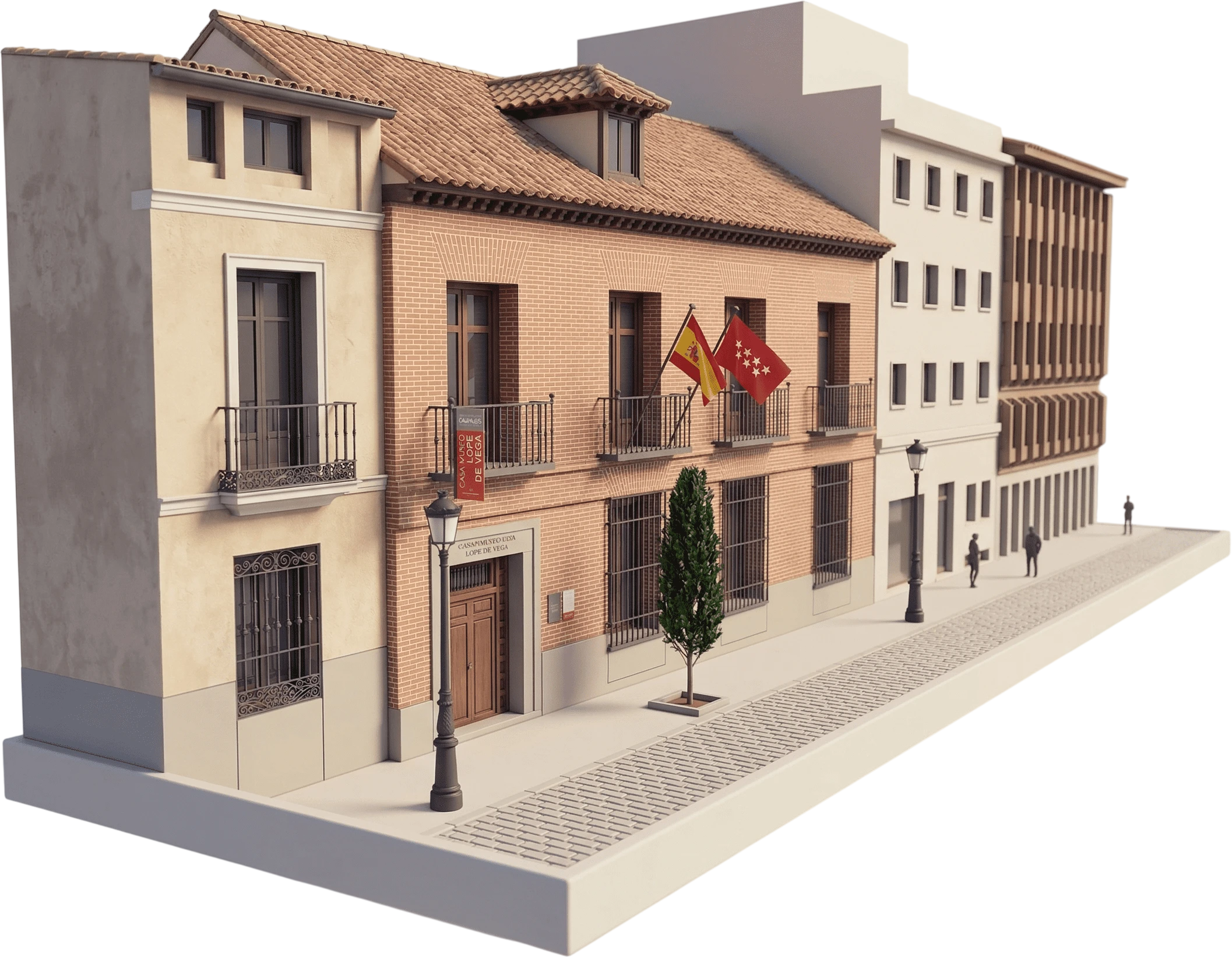
House-Museum of Lope de Vega

Follow the guide’s circuit. In the study corridor, listen for how reconstruction and surviving evidence are distinguished. Compare that working room with the bedroom and oratory, then look at the kitchen or dining room facing the garden. If a room is skipped, use the guide’s explanation and exterior views to place it instead of expecting free movement through the building.

What to look for

The study
Look at the size and placement of the working area. Ask the guide which details of this reconstructed setting tell you most about writing and receiving visitors at home.
Bedroom and oratory
Compare the proximity of the two spaces. Their arrangement gives a specific sense of how daily life and devotion could occupy adjacent rooms, useful context for the Academy’s religious paintings.
Rooms toward the garden
Look for how the dining room or kitchen relates to light and the outdoor space. The route through the house makes the busy domestic background to a writer’s life easier to picture.
Captain Contreras and the attic rooms
If the guide takes you upstairs, look at how the guest, servants’ and sons’ rooms are interpreted. Ask which parts are documented and which are recreations. Their less ceremonial scale makes the study visit feel part of a larger, busier household.

Walk · 11 min

Getting to Royal Academy of Fine Arts of San Fernando

Walk via Cervantes → Ventura de la Vega → Plaza de Canalejas. Budget 11 min for roughly 730 m.

Stop 2 · 1 hr 45 min
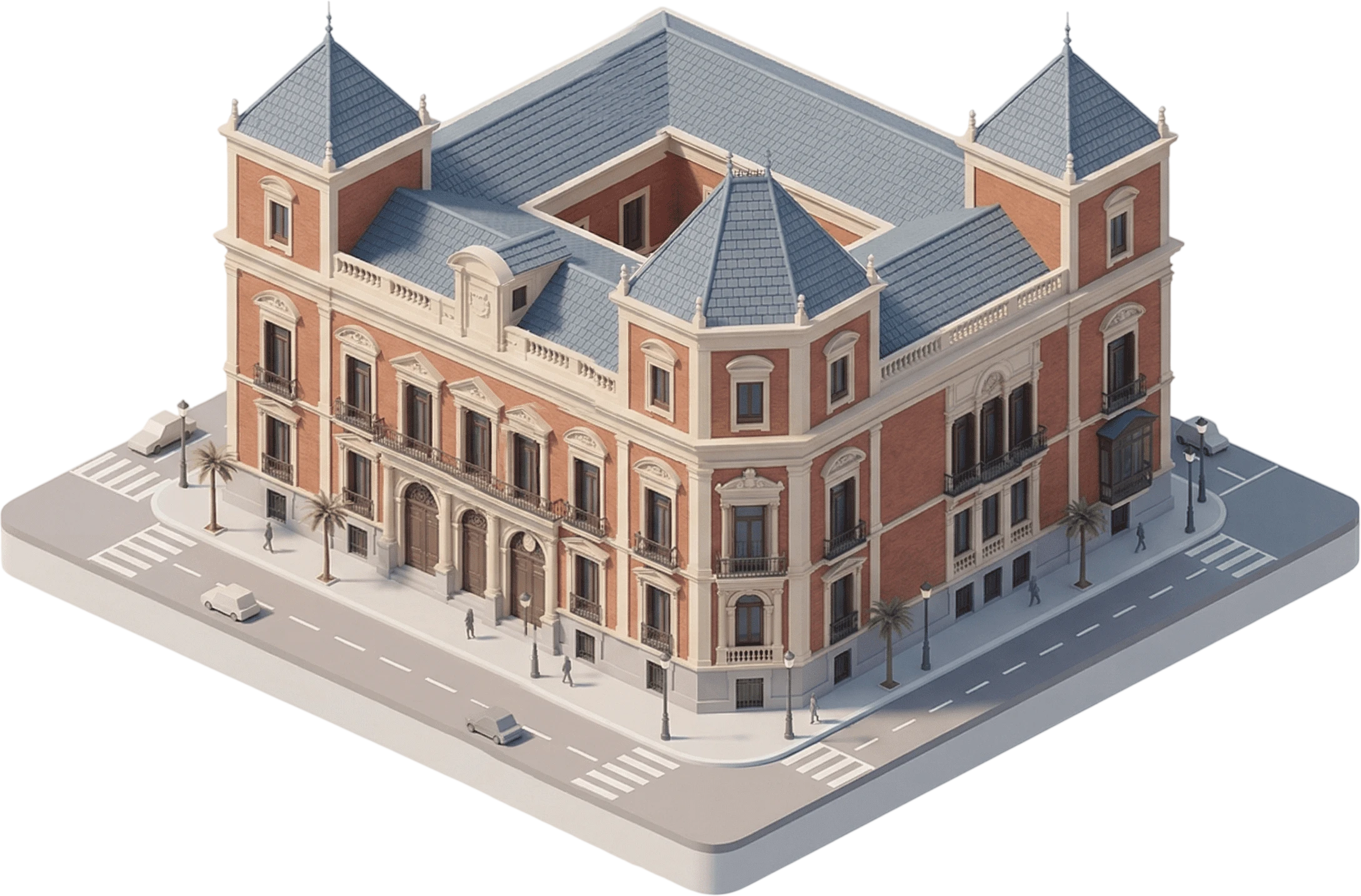
Royal Academy of Fine Arts of San Fernando

Head for a focused set of Spanish Golden Age works, then take a shorter second part with Goya or sculpture if open. Read technique and pose first and see how labels change your reading. For a tighter schedule, keep Zurbarán and Pereda and choose just one further comparison. The aim is to see how ordinary details in a house become deliberate artistic choices.

What to look for

Zurbarán’s Agnus Dei
Look at the restricted setting and what the painter makes visible through light and texture. Compare the intensity of a seemingly simple image with the elaboration of another religious work.
Pereda’s The Knight’s Dream
Choose two objects around the figure and ask why the painter placed them next to each other. The dense still-life detail becomes more useful when read as a deliberate arrangement.
Ribera’s Mary Magdalene
Look at how pose and shadow shape a single figure. Relate the painting to the house oratory and ask what would change if this work were placed in a domestic setting.
The Goya cabinet, if open
Use a print or copperplate to see how an image was made repeatable. Compare the small working surface with the scale and audience of a painted portrait elsewhere in the Academy.
Timing, booking and admission

Set your pace

Choose a Lope de Vega tour around 10:00 if available. Allow 45 minutes for the visit and the transition out of the house. Walk through Barrio de las Letras and reach the Academy around 11:00 for about 105 minutes. Leave any bookshop or café detour until afterwards if the Academy is due to close at 15:00. If the only house slot is later, choose a different morning or see the Academy first, allowing time before your guided departure.

What to book ahead

Reserve Lope de Vega first because the house has small guide-led groups. Check the available language and where to meet, then use the Academy’s own schedule to confirm the latest point you want to enter. A language session that ends later still works if you use the core painting route and do not add a temporary exhibition. Academy galleries and the Gabinete Goya can have different operating details.

Tickets and museum passes

Check the museum-house’s current free guided admission and reserve it separately. The Academy has its own tariff, any reductions and rules for particular displays. Confirm whether the Gabinete Goya or a temporary show has the same access as the museum before relying on it.

Sources and route research

Discover Compelling Museum Exhibitions Across Madrid's Leading Cultural Institutions
Explore diverse art, history, and cultural programs showcased throughout the city.
Explore the dynamic world of museum exhibitions in Madrid, featuring a variety of artistic and historical programs. Uncover engaging cultural showcases throughout the city's distinguished venues. Find your next inspiring art or cultural experience in Madrid.
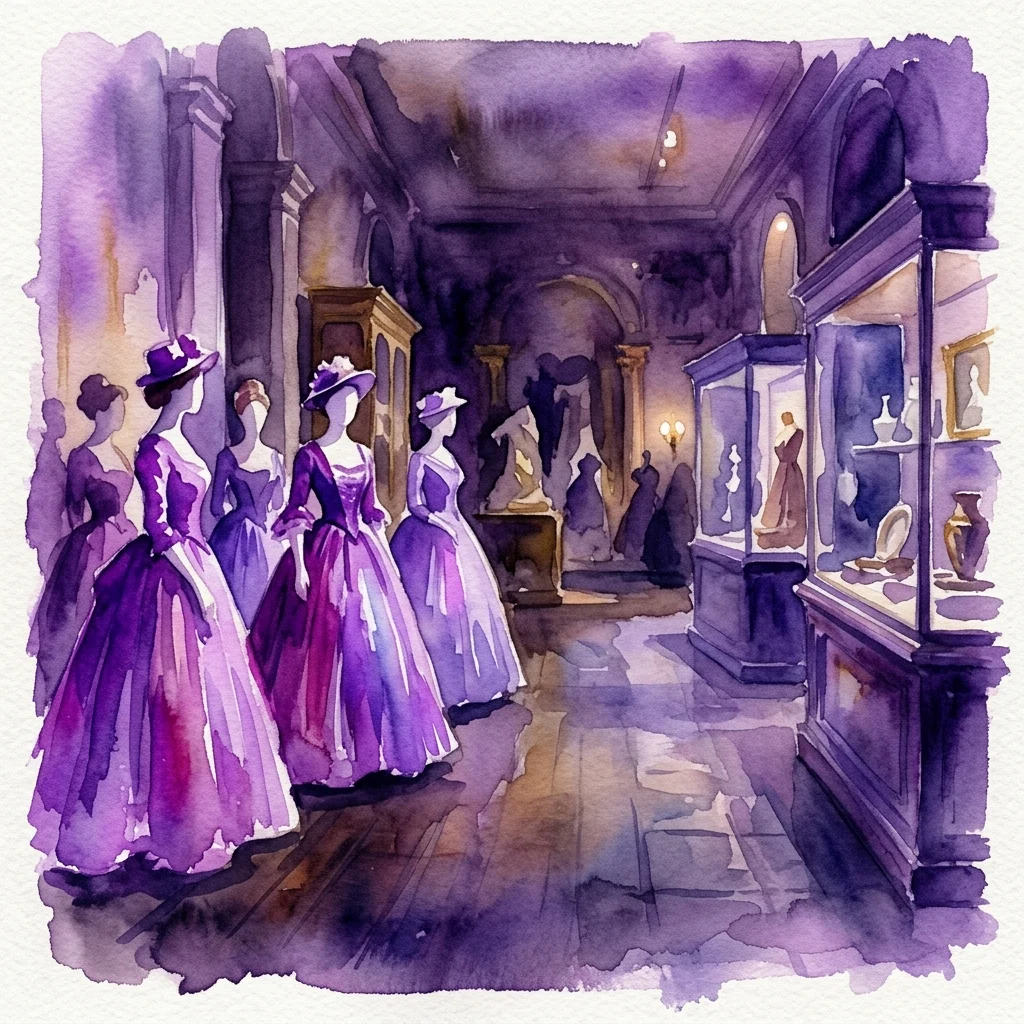
Watercolor illustration of a museum gallery featuring mannequins in 19th-century romantic-era dresses, with display cases and historical artifacts, evoking the fashion of Spain from 1833-1868.
Museo Nacional de Artes Decorativas
Permanent exhibition

Explore "Romanticismo (1833-1868)": Spanish Fashion History from the Romantic Era

Witness social and stylistic shifts in clothing from 1833 to 1868.

This permanent exhibition delves into fashion trends during the Romantic period in Spain. Discover how the rising bourgeoisie influenced both male and female attire, contrasting somber men's wear with opulent women's styles.

Romanticismo Exhibition
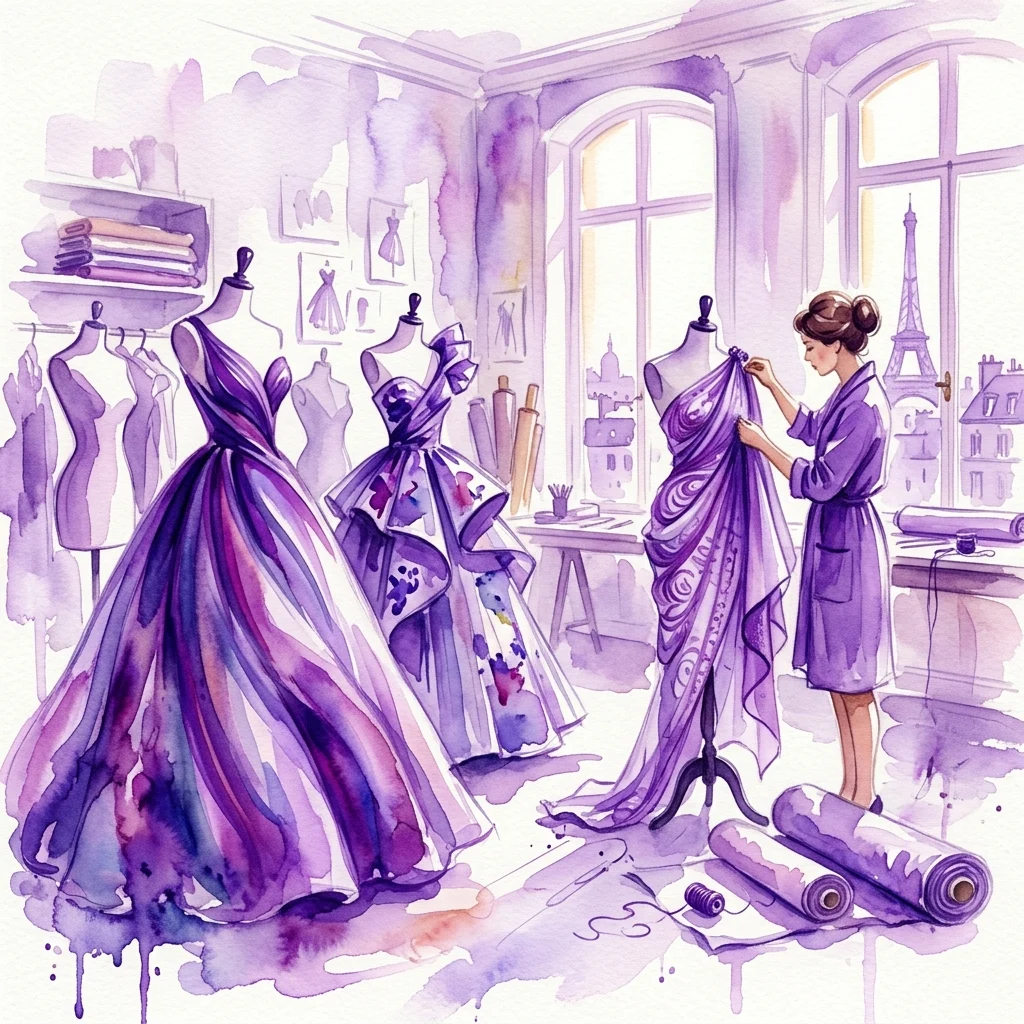
A watercolor illustration of a Parisian haute couture workshop with mannequins displaying dramatic purple gowns, a designer draping fabric, and the Eiffel Tower visible through the window.
Museo Nacional de Artes Decorativas
Permanent exhibition

Cristóbal Balenciaga: Exploring the Fashion Legacy at Decorative Arts Museum

A permanent exhibition on the master Spanish couturier's art.

Discover the unparalleled artistry of Cristóbal Balenciaga and his transformative impact on haute couture. This display showcases his innovative designs, mastery of fabrics, and pursuit of elegance. Learn about the iconic Spanish fashion house.

Balenciaga Exhibition
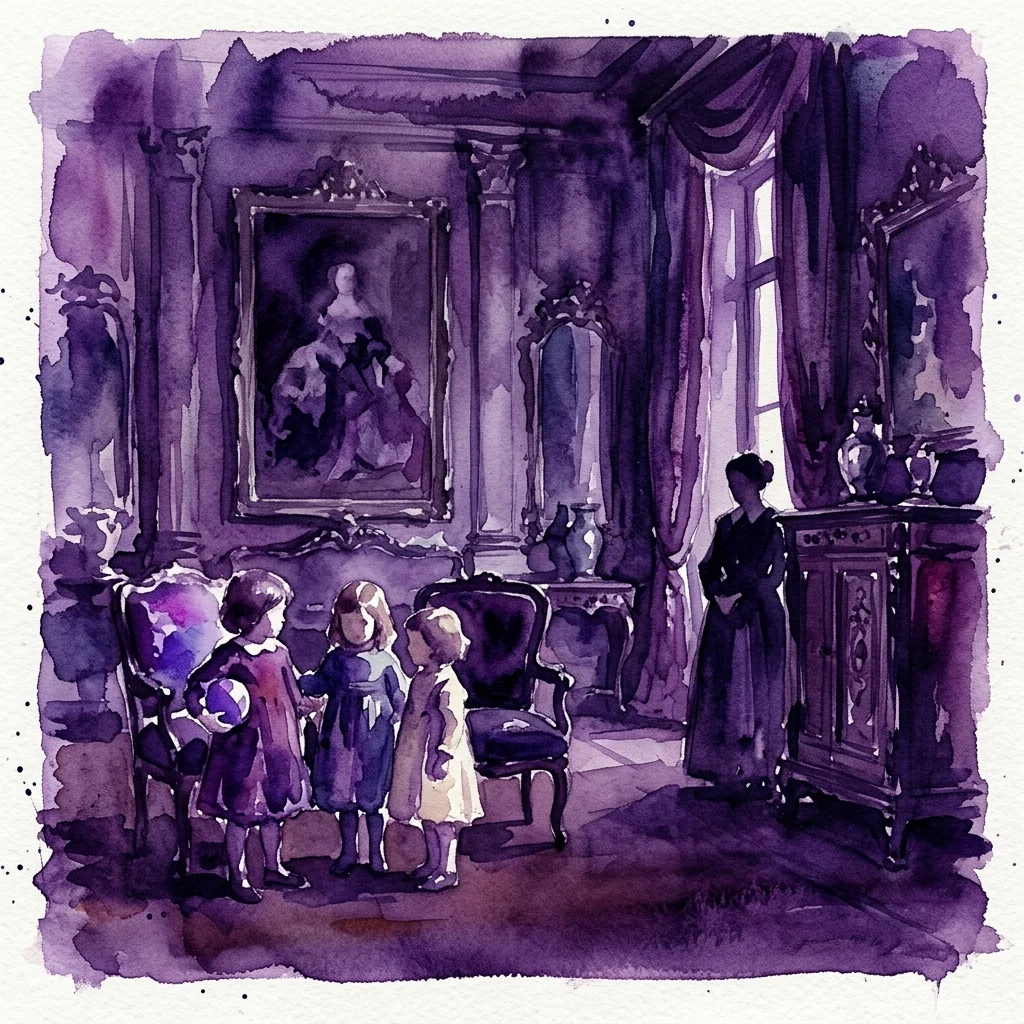
A watercolor painting of three children in a grand, dimly lit salon with purple tones, inspired by Sorolla's 'Mis hijos' (My Children) and referencing Velázquez's 'Las Meninas' and Sargent's 'The Daughters of Edward VII'.
Sorolla Museum
Permanent exhibition

Discover Joaquín Sorolla's 'Mis hijos' Masterpiece at the Sorolla Museum

A monumental 1904 family portrait inspired by classical Spanish art.

Explore Sorolla's 'Mis hijos,' his ambitious 1904 oil painting featuring his three children. This artwork is renowned for its scale and composition, drawing inspiration from revered artists like Velázquez and Sargent. Gain insights into a pivotal work demonstrating Sorolla's artistic evolution.

Mis hijos Exhibition
Madrid

Find All Museums in Madrid: Your Essential List of Cultural Institutions

Browse art, history, and science collections throughout the Spanish capital.

Navigate Madrid's impressive range of museums, from grand national institutions to smaller, unique galleries. Discover various exhibition topics and plan your exploration of the city's vibrant cultural scene.