
Madrid
Museum itinerary · Madrid

Madrid through objects, from archaeology to decorative arts and the sea

Three national museums on foot between Serrano and the Paseo del Prado

Compare the objects people buried, displayed at home and carried to sea on a three-museum walk through Madrid’s archaeological, decorative arts and naval collections.

Museum stops
3
Visits and transfers
3 hr 51 min
Suggested days
Tue, Wed, Thu, Fri, & Sat
Why these museums go together

Start at the MAN with objects recovered from the ground and the fragmentary stories they tell. The decorative arts museum changes the evidence to furniture, ceramics and interiors. At the Naval Museum every model and chart adds a new question: what knowledge did it take to send a vessel out to sea?

Every stop is an exercise in reading objects. A piece of ancient metalwork leaves a different trace from a furnished Spanish interior; a ship model in turn records decisions that may be hard to see on a full-size vessel. The three collections are close enough to compare them on foot.

HistoryDesignLocal heritage
Route map
© OpenStreetMap contributors

The itinerary, stop by stop

Stop 1 · 1 hr 20 min
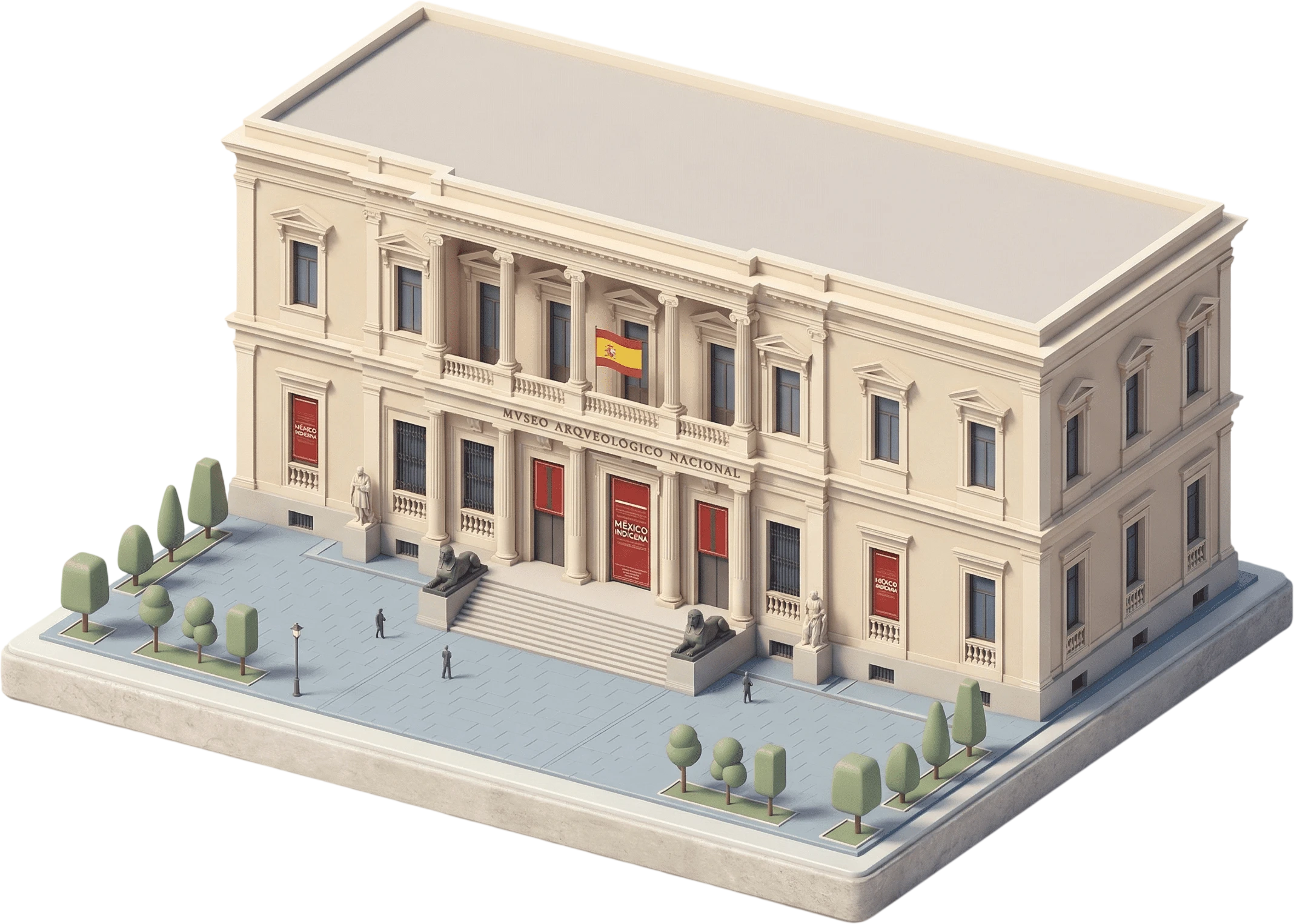
National Archaeological Museum

Focus your 80 minutes on two clusters, such as Iberian sculpture and the Visigothic objects associated with Guarrazar. Compare what shape and workmanship tell you with what the label can recover about their original use.

What to look for

The Lady of Elche, room 13
Look at the symmetrical adornment and the care taken in modelling the face. Consider what you can infer about status from appearance alone, then read the museum’s interpretation of the sculpture’s archaeological context.
Pozo Moro monument
If available on the route, study how the monument’s architectural form gives relief figures different positions and viewing heights. Compare a sculpture made as part of a larger monument with the solitary figure at Elche.
Roman material
Pick a Roman piece, such as a mosaic or an object for a domestic setting, where displayed. Look for evidence of use and movement between communities, rather than trying to survey the whole period.
The Guarrazar hoard
Look at how inscriptions, settings and suspended elements make a votive crown an offering. It is a compact way to end the archaeology visit with a different relationship between objects, power and ritual.

Walk · 10 min

Getting to Museo Nacional de Artes Decorativas

Walk about 780 m (10 min) between the two museum sites via Calle de Alfonso XI → Calle de Montalbán. The clock starts outside the first museum; allow extra time to find the visitor entrance and clear the next ticket check.

Stop 2 · 1 hr
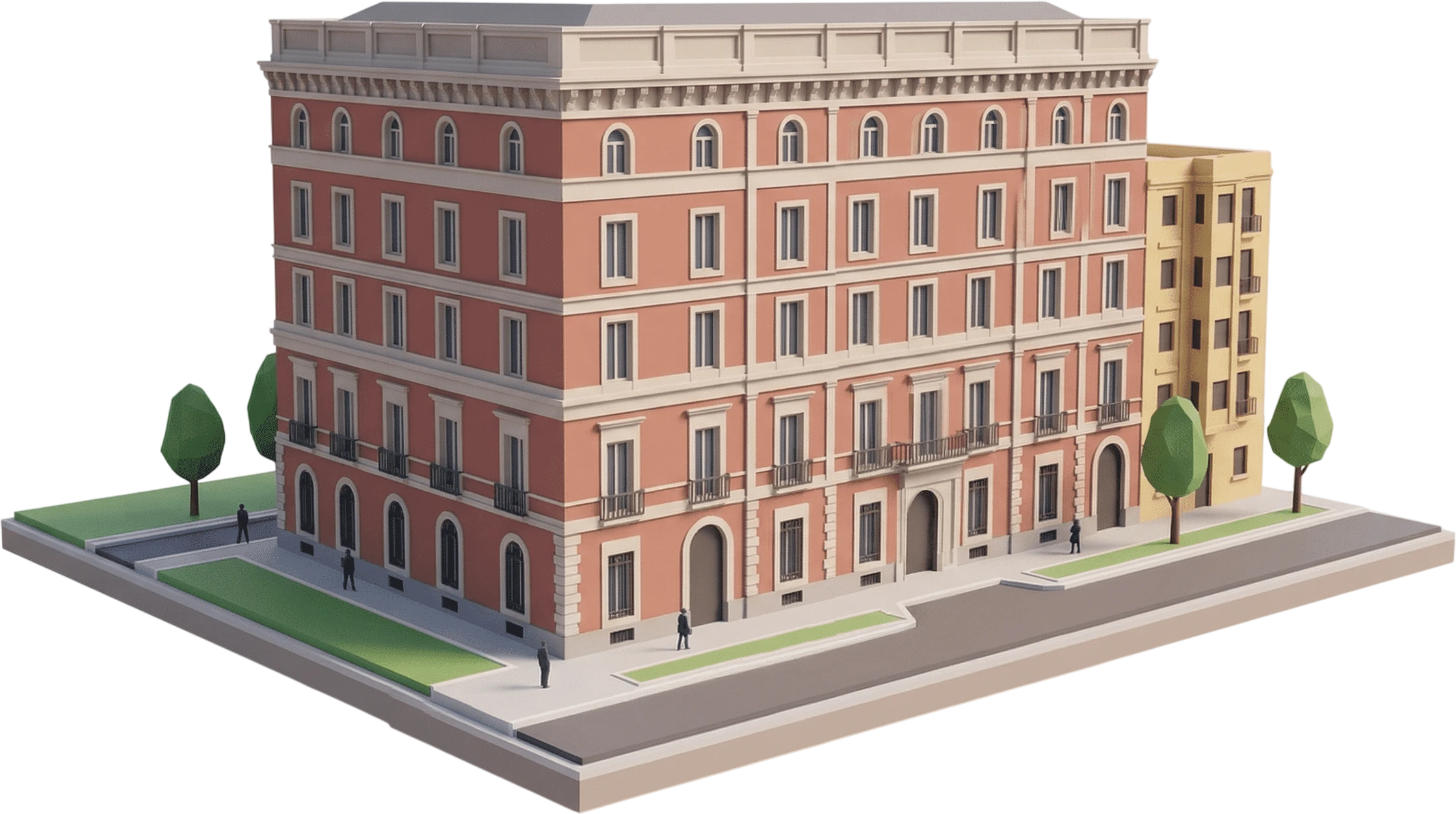
Museo Nacional de Artes Decorativas

Take the historic rooms as your starting point. Compare storage, seating and display, then look for ceramics or leatherwork that show how practical objects announced a household’s status. Check which upper galleries are open.

What to look for

A seventeenth-century Spanish interior
Follow the arrangement of furniture, storage and display. The room setting offers a way to read status through the objects people used as well as the things they kept for show.
Glazed ceramics and leather wall coverings
Trace how a potter’s surface or a worked leather panel catches the light. Compare the decorative choices with the archaeological vessels you saw at the MAN.
The tiled Valencian kitchen
If the upper rooms are open, study the servants, dishes and work described by the painted tiles. The elaborate image of hospitality also records the labour behind it.

Walk · 6 min

Getting to Naval Museum

Walk about 440 m (6 min) between the two museum sites via Calle de Montalbán → Calle Juan de Mena → Paseo del Prado. The clock starts outside the first museum; allow extra time to find the visitor entrance and clear the next ticket check.

Stop 3 · 1 hr 15 min
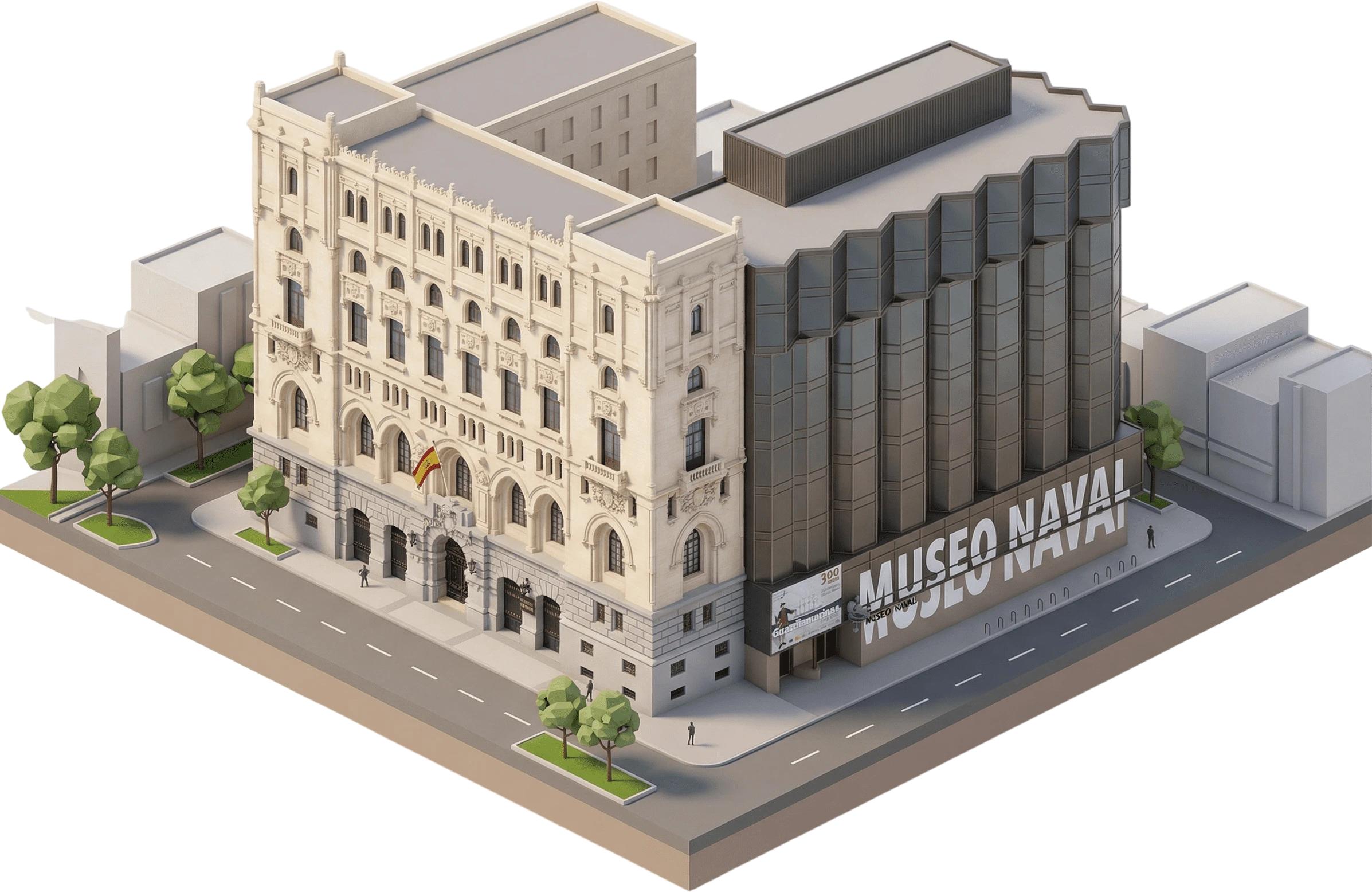
Naval Museum

Pick a chart and a model from the displays available that day. Read the chart as a working document and the model as an explanation of construction; the famous chart of Juan de la Cosa is worth seeking out if on view.

What to look for

Juan de la Cosa chart
If shown, first locate a coastline you recognise, then notice which features receive extra emphasis. Compare what the chart’s maker needed to convey with what appears on a modern map.
A galleon reconstruction
Look for the model of Nuestra Señora de la Concepción y de las Ánimas or another comparable sailing vessel. Compare how hull, rigging and working space fit together before asking where cargo and the crew would have been.
Navigation instruments
Pick an instrument and follow its measuring scale. Ask what a navigator needed from it, what other information was still necessary and where the reading might be entered on a chart.
Objects from a voyage or wreck
If the display includes recovered material, compare its everyday purpose with the way the museum explains the voyage. It returns the story of seafaring to the ordinary goods people carried.
Timing, booking and admission

Set your pace

Start around 09:30 or 10:00. Give the MAN 80 minutes and finish the decorative arts museum in the morning before a lunch break. Keep 75 minutes for the Naval Museum plus its entrance checks. Allow about five hours with lunch.

What to book ahead

Pick a Tuesday to Saturday outside August, when the Naval Museum normally closes for maintenance. Check the decorative arts floors and Naval Museum access instructions for the date; take the identification listed on the official visitor page if required.

Tickets and museum passes

Check the three museums’ own entry arrangements and any free periods before you buy. A free slot at one venue is only useful if it leaves enough time for the other two.

Sources and route research

Discover Compelling Museum Exhibitions Across Madrid's Leading Cultural Institutions
Explore diverse art, history, and cultural programs showcased throughout the city.
Explore the dynamic world of museum exhibitions in Madrid, featuring a variety of artistic and historical programs. Uncover engaging cultural showcases throughout the city's distinguished venues. Find your next inspiring art or cultural experience in Madrid.
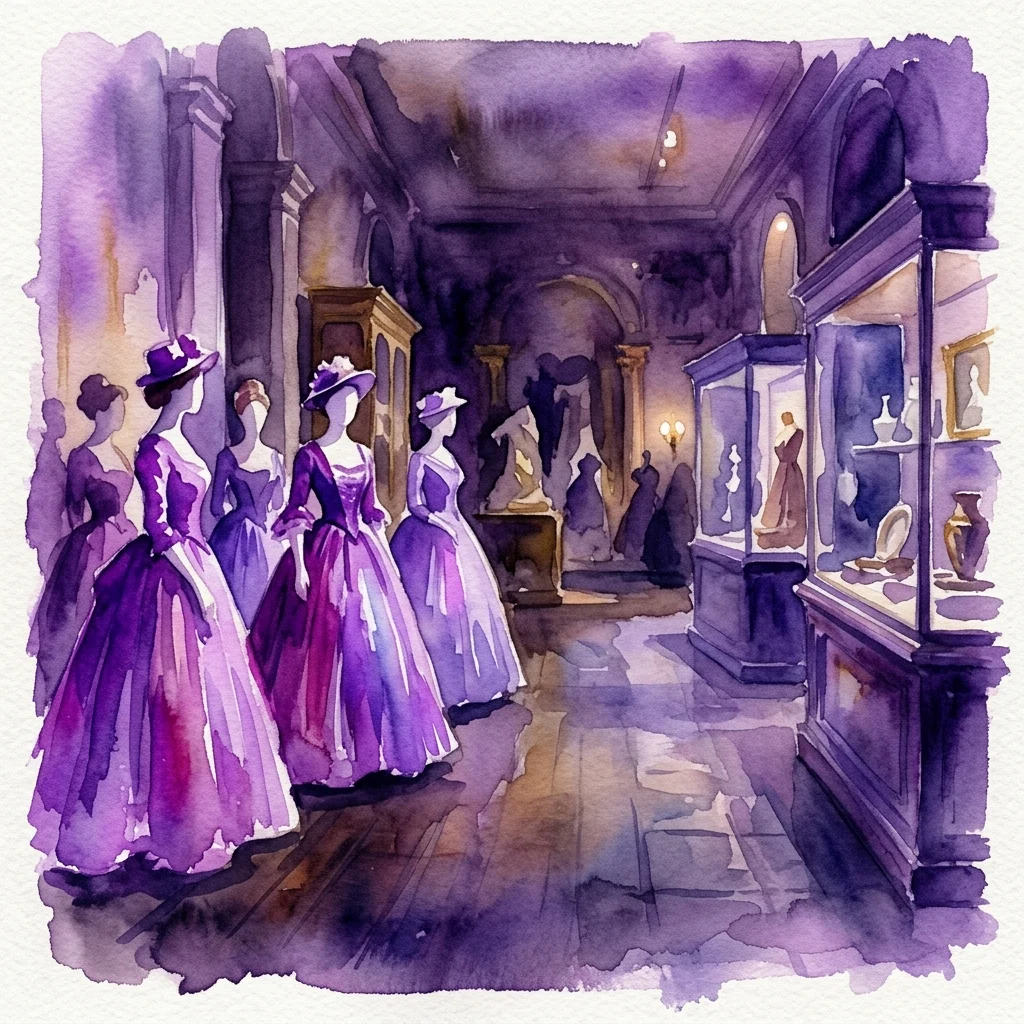
Watercolor illustration of a museum gallery featuring mannequins in 19th-century romantic-era dresses, with display cases and historical artifacts, evoking the fashion of Spain from 1833-1868.
Museo Nacional de Artes Decorativas
Permanent exhibition

Explore "Romanticismo (1833-1868)": Spanish Fashion History from the Romantic Era

Witness social and stylistic shifts in clothing from 1833 to 1868.

This permanent exhibition delves into fashion trends during the Romantic period in Spain. Discover how the rising bourgeoisie influenced both male and female attire, contrasting somber men's wear with opulent women's styles.

Romanticismo Exhibition

A watercolor illustration of a Parisian haute couture workshop with mannequins displaying dramatic purple gowns, a designer draping fabric, and the Eiffel Tower visible through the window.
Museo Nacional de Artes Decorativas
Permanent exhibition

Cristóbal Balenciaga: Exploring the Fashion Legacy at Decorative Arts Museum

A permanent exhibition on the master Spanish couturier's art.

Discover the unparalleled artistry of Cristóbal Balenciaga and his transformative impact on haute couture. This display showcases his innovative designs, mastery of fabrics, and pursuit of elegance. Learn about the iconic Spanish fashion house.

Balenciaga Exhibition
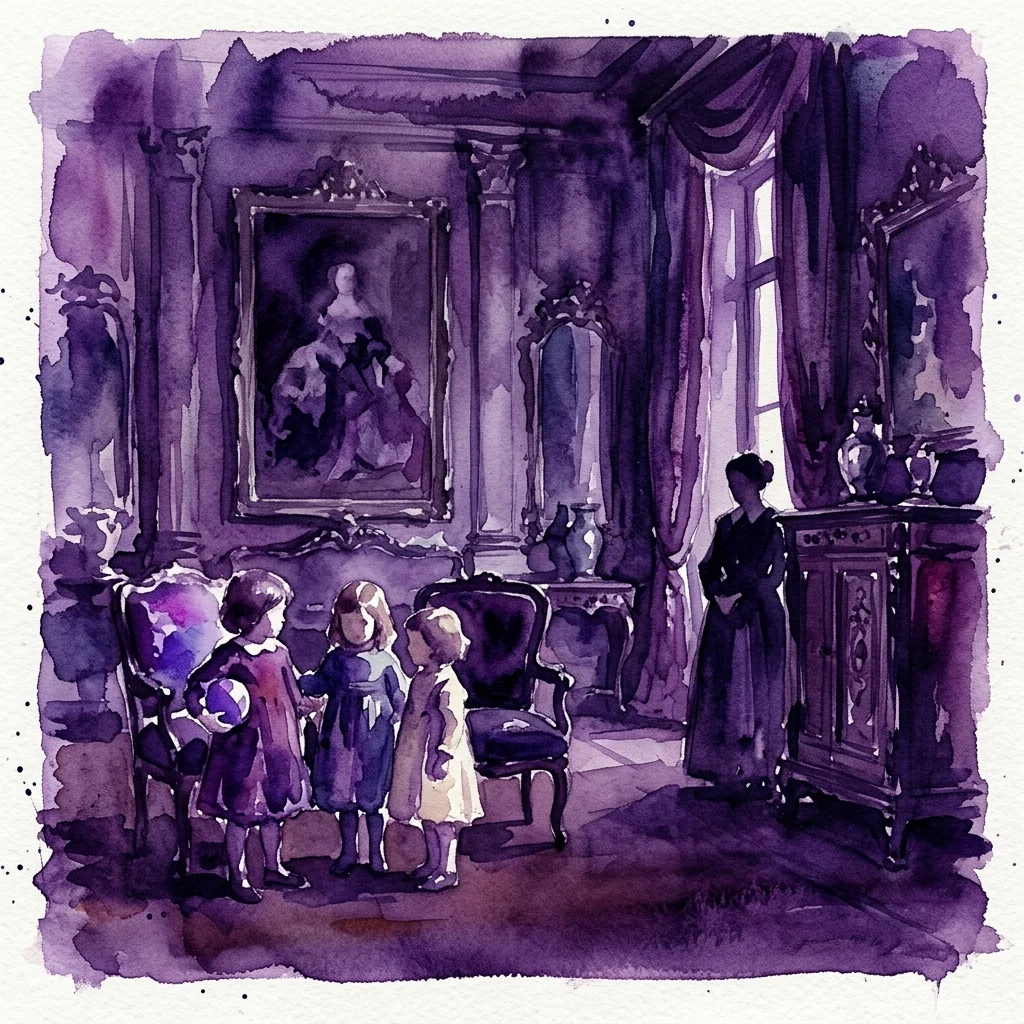
A watercolor painting of three children in a grand, dimly lit salon with purple tones, inspired by Sorolla's 'Mis hijos' (My Children) and referencing Velázquez's 'Las Meninas' and Sargent's 'The Daughters of Edward VII'.
Sorolla Museum
Permanent exhibition

Discover Joaquín Sorolla's 'Mis hijos' Masterpiece at the Sorolla Museum

A monumental 1904 family portrait inspired by classical Spanish art.

Explore Sorolla's 'Mis hijos,' his ambitious 1904 oil painting featuring his three children. This artwork is renowned for its scale and composition, drawing inspiration from revered artists like Velázquez and Sargent. Gain insights into a pivotal work demonstrating Sorolla's artistic evolution.

Mis hijos Exhibition
Madrid

Find All Museums in Madrid: Your Essential List of Cultural Institutions

Browse art, history, and science collections throughout the Spanish capital.

Navigate Madrid's impressive range of museums, from grand national institutions to smaller, unique galleries. Discover various exhibition topics and plan your exploration of the city's vibrant cultural scene.