
Madrid
Museum itinerary · Madrid

Madrid’s Royal Palace and Royal Collections Gallery on One Morning Route

See how a palace used its rooms and what the royals chose to put in them.

Start with the court’s ceremonial route in the Royal Palace. Then visit the neighbouring Royal Collections Gallery for selected Habsburg and Bourbon objects. Compare a tapestry, portrait or piece of armour with the setting it might have been made for.

Museum stops
2
Visits and transfers
3 hr 35 min
Suggested days
Any day
Why these museums go together

Look at the rooms as spaces for ceremony, then turn to the artwork, furnishings and objects assembled across generations. The gallery turns the royal building’s story into the history of a collection.

The Palace shows royal objects in rooms designed to receive or impress people, while the Gallery lets you look at how those objects were collected, commissioned and moved over time. Choose one medium, such as tapestry, armour or portraiture, to recognise in both settings. The walk through the palace precinct then connects two different ways of presenting the same royal history.

ArtHistoryArchitecture
Route map
© OpenStreetMap contributors

The itinerary, stop by stop

Stop 1 · 1 hr 50 min
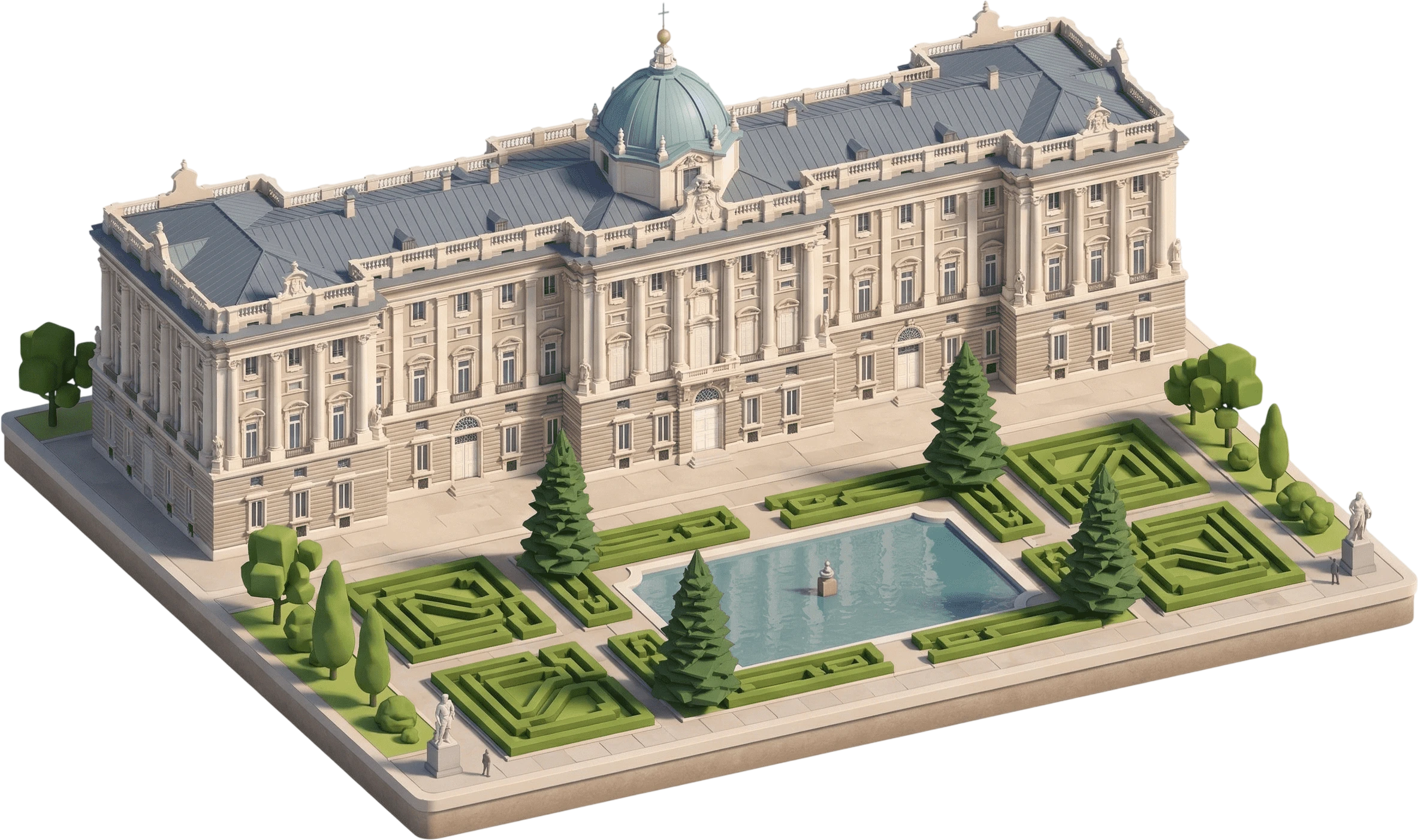
Royal Palace of Madrid

Follow the palace’s operating route rather than trying to pick rooms out of sequence. Use the principal staircase to understand how the building receives visitors, then concentrate on the Throne Room and Gasparini Chamber if accessible. Spend the rest with one contrast: a later furnished room or the Royal Armoury, when listed as open. Leave the Royal Kitchen or other separately managed visits for another booking.

What to look for

The principal staircase
Look back down from an upper point and see how the approach channels groups of people. It is a useful first clue to the difference between a route of state and the route of a private household.
The Throne Room
Choose a point where you can see the arrangement as a whole. Notice how seats, ceiling and decoration make some positions more important than others. Compare the room’s messages with the objects on their own in the Gallery.
Gasparini Chamber
Follow the decorative lines across different surfaces. The room makes it possible to see rococo as a way of joining furnishings and interior decoration, not simply as the appearance of one object.
The Royal Armoury if open
Choose one suit or piece of horse equipment and compare decoration with the parts that clearly serve protection or movement. Check access before adding it, because palace sections can close separately.

Walk · 10 min

Getting to Royal Collections Gallery

Walk via Plaza de la Armería / Calle de Bailén. Budget 10 min for roughly 580 m.

Stop 2 · 1 hr 35 min
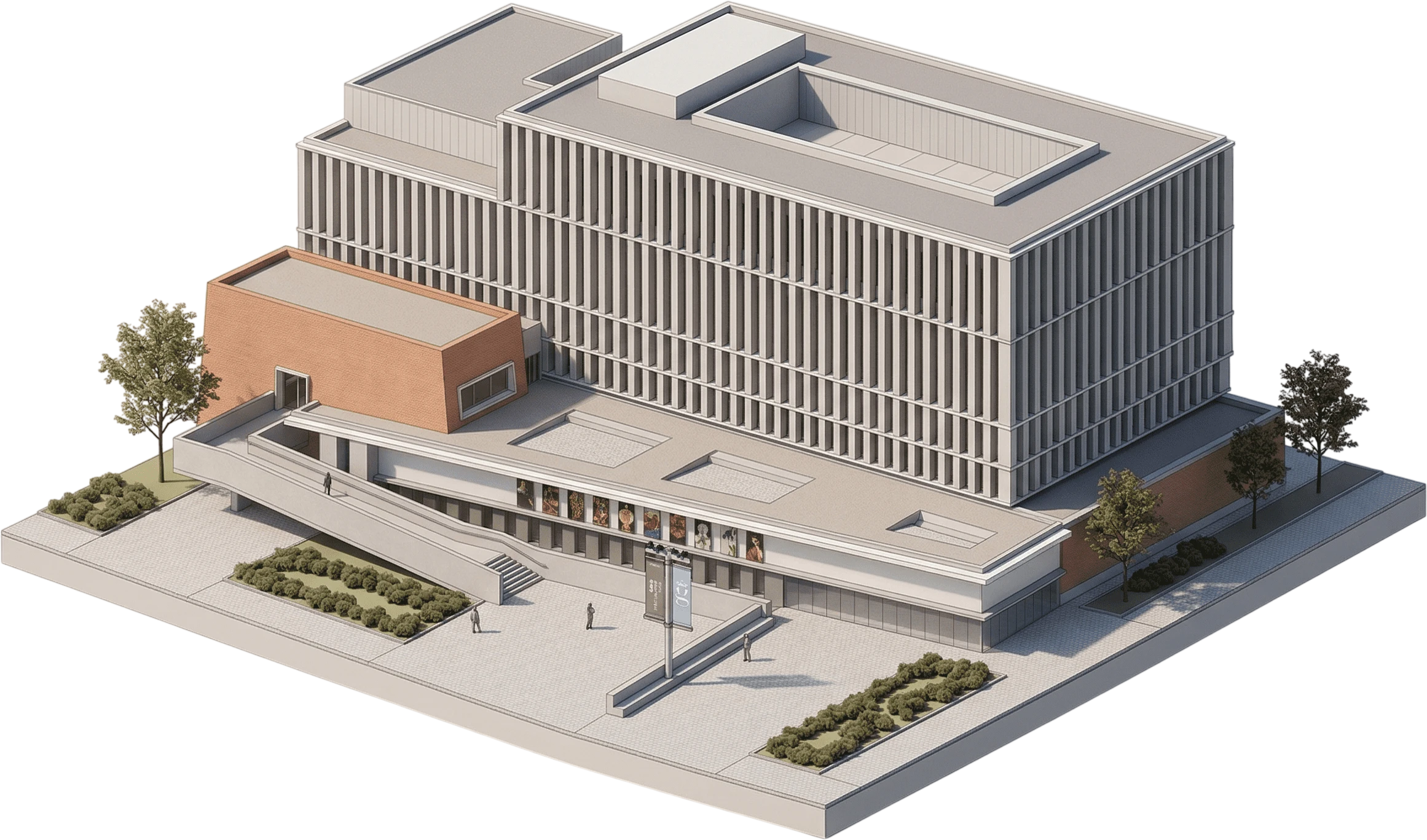
Royal Collections Gallery

Start on level -1 with the Habsburg display and make time for one early object and one large court commission. Move down to level -2 for the Bourbons and use a painting, tapestry, carriage or object of furnishing to compare different reigns. Save shorter temporary displays for a future visit. Check labels or the current online gallery if one priority object is rotated.

What to look for

Visigoth votive crown and cross
See how an early royal object is used to introduce a much longer story. Look at the difference between a crown made for a devotional offering and a piece you might expect to see worn at court.
A Habsburg tapestry
Pick one woven scene and compare the image at a distance with the weave nearby. Ask how it would have changed a large room when hung rather than encountered on a gallery wall.
Velázquez’s White Horse
If on view, look for the absence of a rider and how the horse’s posture keeps the picture active. Compare it with a court portrait or armour from the same broad context.
Bourbon objects on level -2
Choose a work linked with furnishing a royal residence. Compare what it says about materials and taste with a room just seen in the palace. A carriage, hanging or object of furniture each tells a different part of that story.
Madrid’s ninth-century wall on level -1
Use the gallery’s archaeological section as a short change of scale before the court commissions. Compare the plain weight of the surviving materials with the crafted surfaces in the royal displays. Both help make sense of what this hilltop site has meant at different times.
Timing, booking and admission

Set your pace

Aim to enter the Palace at 10:00 and arrive early enough for screening. Give its rooms 110 minutes and aim for the Gallery around 12:10, allowing ten minutes for the approach and another ten for exit and admission. The Gallery gets about 95 minutes, normally finishing around 13:45. If you are running late, keep the Palace’s state rooms and leave the armoury only if time and access allow. At the Gallery, choose the two main collection levels and preserve the floor with the works you came for.

What to book ahead

Secure a palace slot first and allow time for screening. Check official events before setting off, since they can affect access. Verify the gallery entrance for your ticket and compare current admission options on the official booking pages.

Tickets and museum passes

Patrimonio Nacional lists a combined Royal Palace and Royal Collections Gallery ticket. Compare it with individual admission, especially if you qualify for a reduced rate, and verify the entrance rules for your chosen ticket.

Sources and route research

Discover Compelling Museum Exhibitions Across Madrid's Leading Cultural Institutions
Explore diverse art, history, and cultural programs showcased throughout the city.
Explore the dynamic world of museum exhibitions in Madrid, featuring a variety of artistic and historical programs. Uncover engaging cultural showcases throughout the city's distinguished venues. Find your next inspiring art or cultural experience in Madrid.
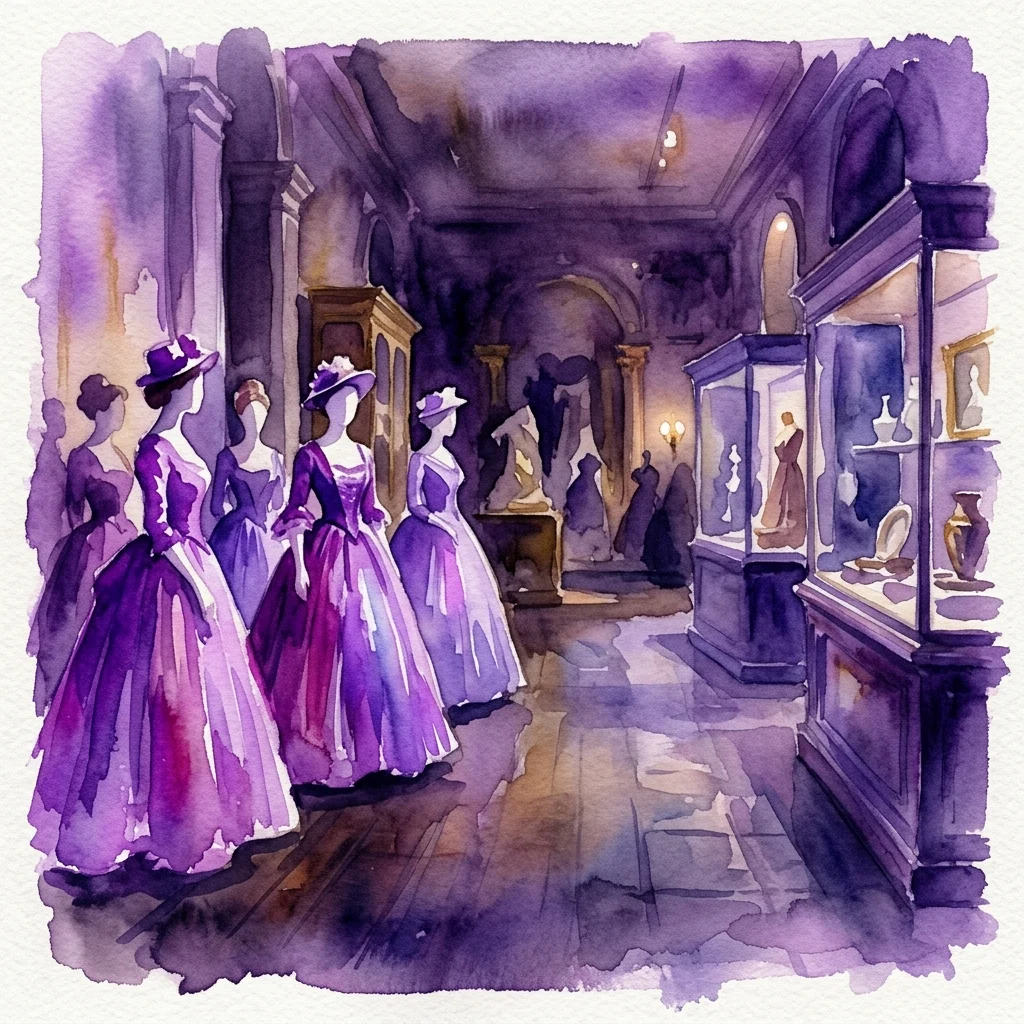
Watercolor illustration of a museum gallery featuring mannequins in 19th-century romantic-era dresses, with display cases and historical artifacts, evoking the fashion of Spain from 1833-1868.
Museo Nacional de Artes Decorativas
Permanent exhibition

Explore "Romanticismo (1833-1868)": Spanish Fashion History from the Romantic Era

Witness social and stylistic shifts in clothing from 1833 to 1868.

This permanent exhibition delves into fashion trends during the Romantic period in Spain. Discover how the rising bourgeoisie influenced both male and female attire, contrasting somber men's wear with opulent women's styles.

Romanticismo Exhibition
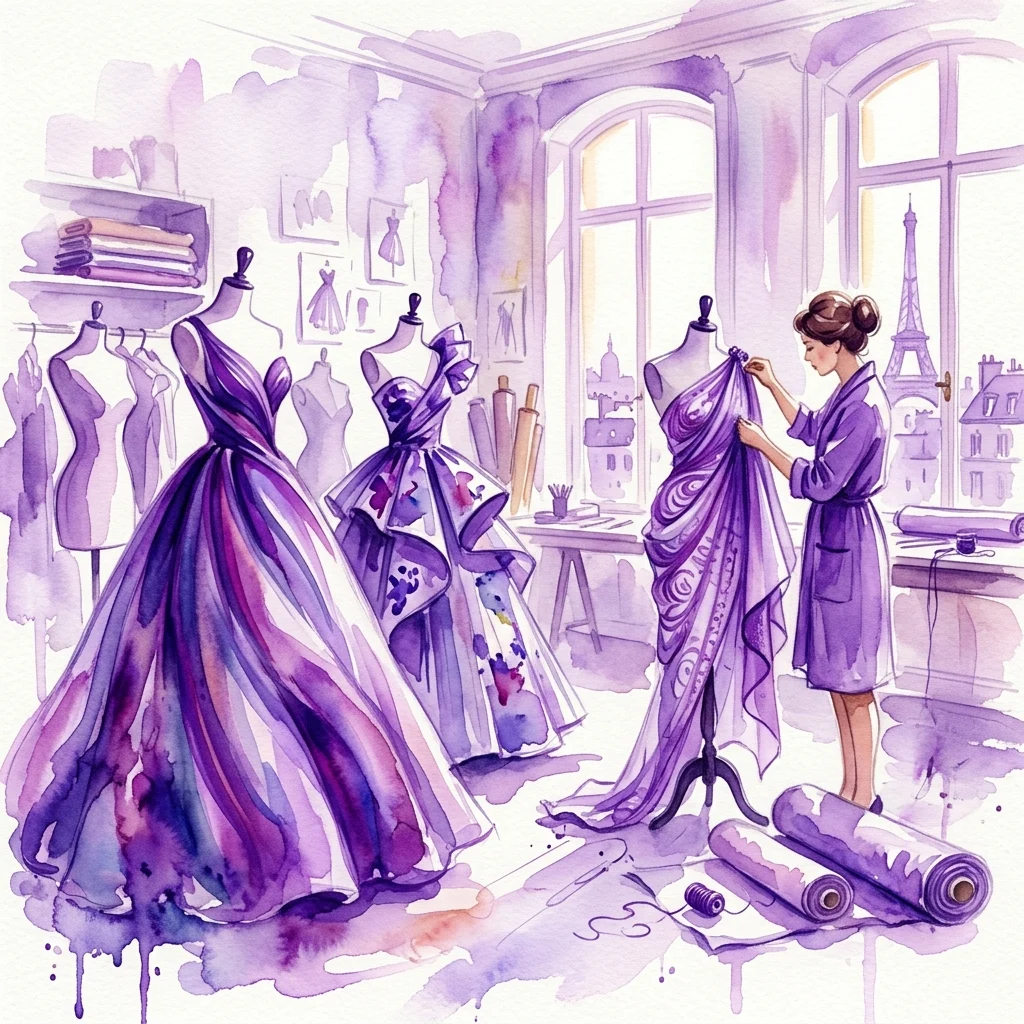
A watercolor illustration of a Parisian haute couture workshop with mannequins displaying dramatic purple gowns, a designer draping fabric, and the Eiffel Tower visible through the window.
Museo Nacional de Artes Decorativas
Permanent exhibition

Cristóbal Balenciaga: Exploring the Fashion Legacy at Decorative Arts Museum

A permanent exhibition on the master Spanish couturier's art.

Discover the unparalleled artistry of Cristóbal Balenciaga and his transformative impact on haute couture. This display showcases his innovative designs, mastery of fabrics, and pursuit of elegance. Learn about the iconic Spanish fashion house.

Balenciaga Exhibition
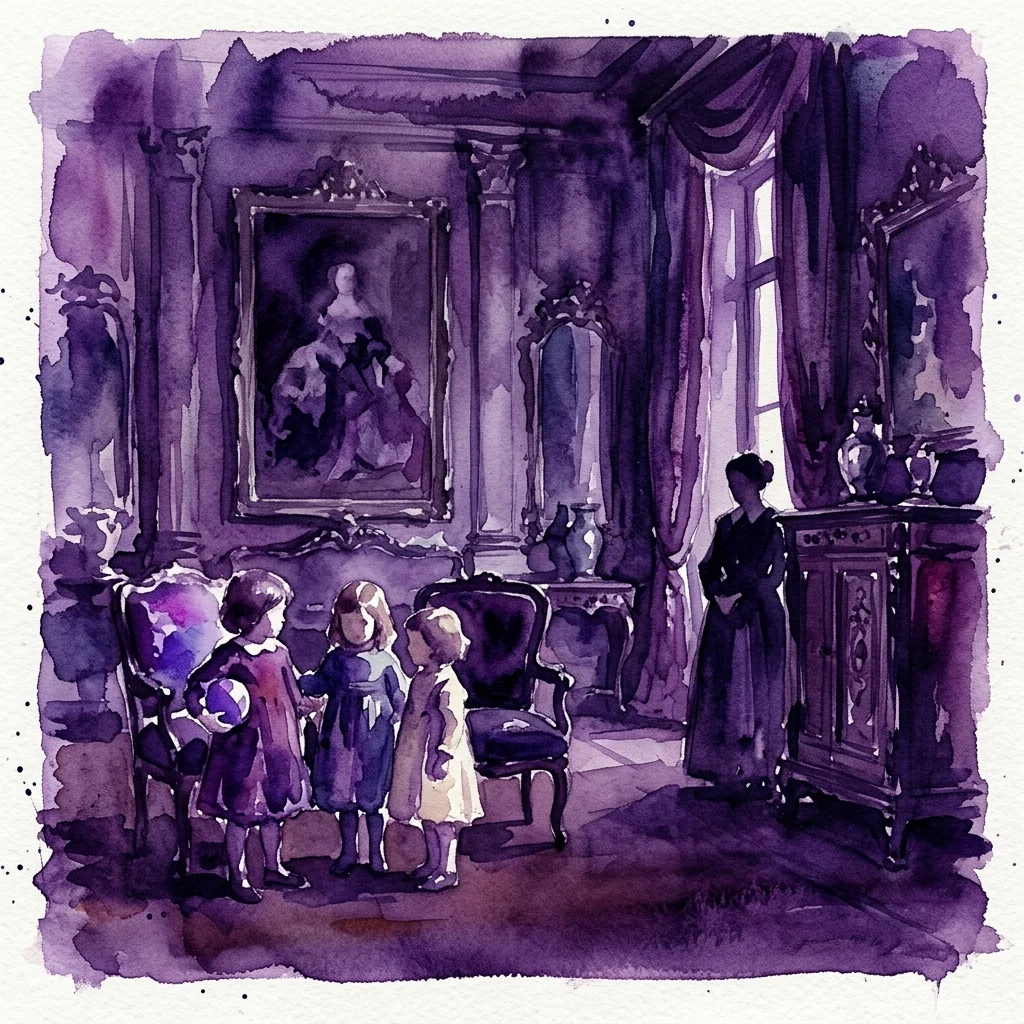
A watercolor painting of three children in a grand, dimly lit salon with purple tones, inspired by Sorolla's 'Mis hijos' (My Children) and referencing Velázquez's 'Las Meninas' and Sargent's 'The Daughters of Edward VII'.
Sorolla Museum
Permanent exhibition

Discover Joaquín Sorolla's 'Mis hijos' Masterpiece at the Sorolla Museum

A monumental 1904 family portrait inspired by classical Spanish art.

Explore Sorolla's 'Mis hijos,' his ambitious 1904 oil painting featuring his three children. This artwork is renowned for its scale and composition, drawing inspiration from revered artists like Velázquez and Sargent. Gain insights into a pivotal work demonstrating Sorolla's artistic evolution.

Mis hijos Exhibition
Madrid

Find All Museums in Madrid: Your Essential List of Cultural Institutions

Browse art, history, and science collections throughout the Spanish capital.

Navigate Madrid's impressive range of museums, from grand national institutions to smaller, unique galleries. Discover various exhibition topics and plan your exploration of the city's vibrant cultural scene.