Madrid
Madrid's modern cultural hub

Juan March Institute: Art Exhibitions and Concerts in Madrid

A leading cultural foundation in Madrid for art and music enthusiasts.

ArtHistoryMusicLocal heritage

The Fundación Juan March promotes culture and research in Spain through its headquarters in Madrid and Palma, as well as managing the Museum of Spanish Abstract Art in Cuenca. It offers a diverse program of exhibitions, concerts, lectures, and provides access to a specialized research library and an extensive audiovisual archive.

A private Spanish foundation dedicated to cultural promotion and research, offering diverse programs across its venues, including a research library and audiovisual portal.

Juan March Institute
Juan March Institute: Cultural Foundation

The Fundación Juan March, established in 1955, is a private, non-profit organization dedicated to fostering culture in Spain. Its Madrid headquarters hosts diverse cultural programming, including temporary art exhibitions, concerts, and lectures. It also features a significant Research Library, complementing its extensive offerings which include an audiovisual portal, Canal March.

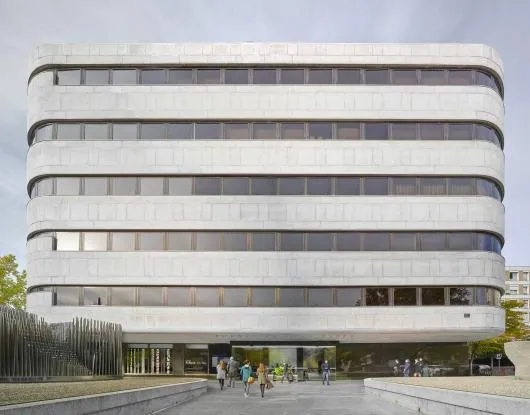
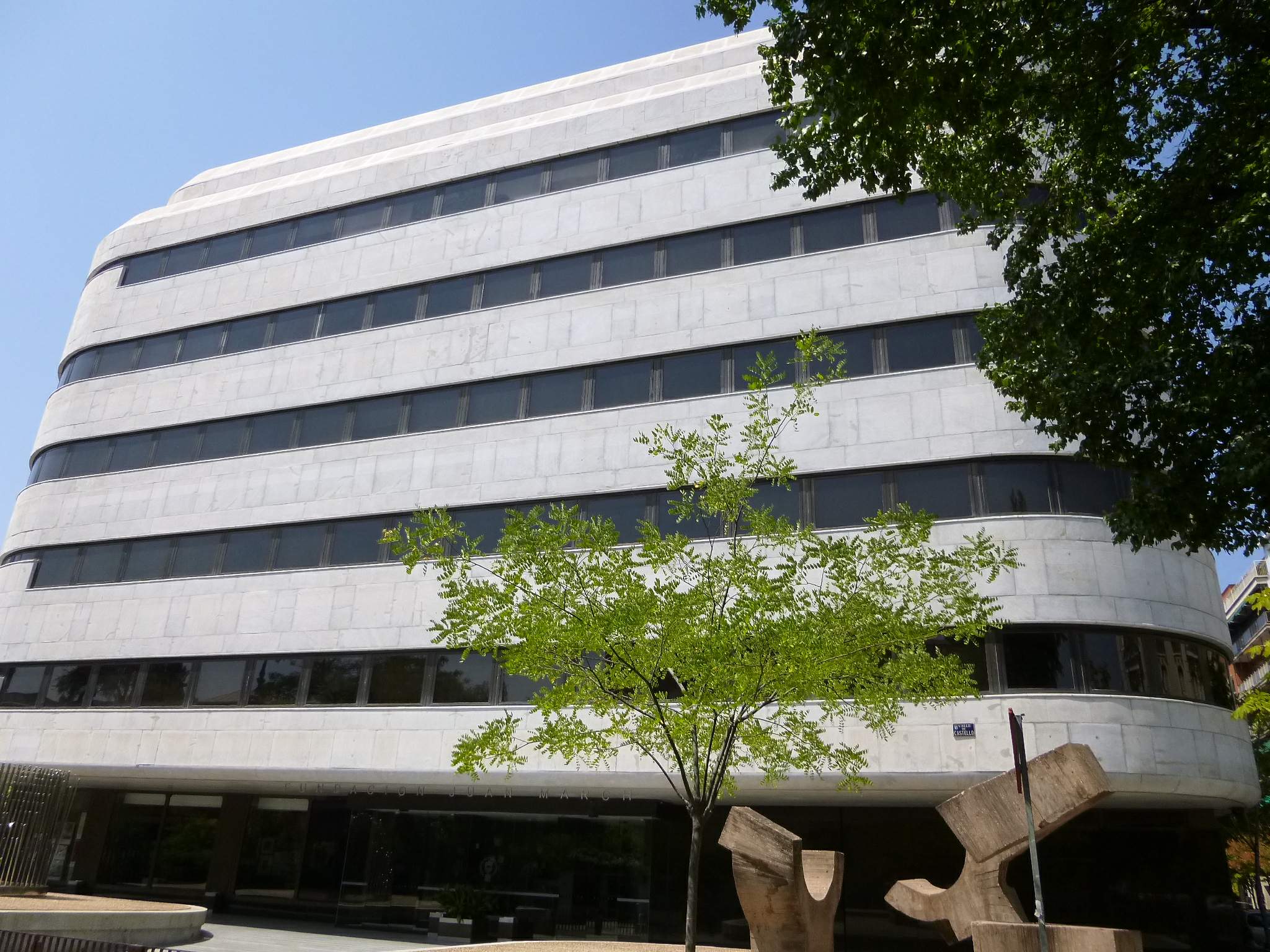
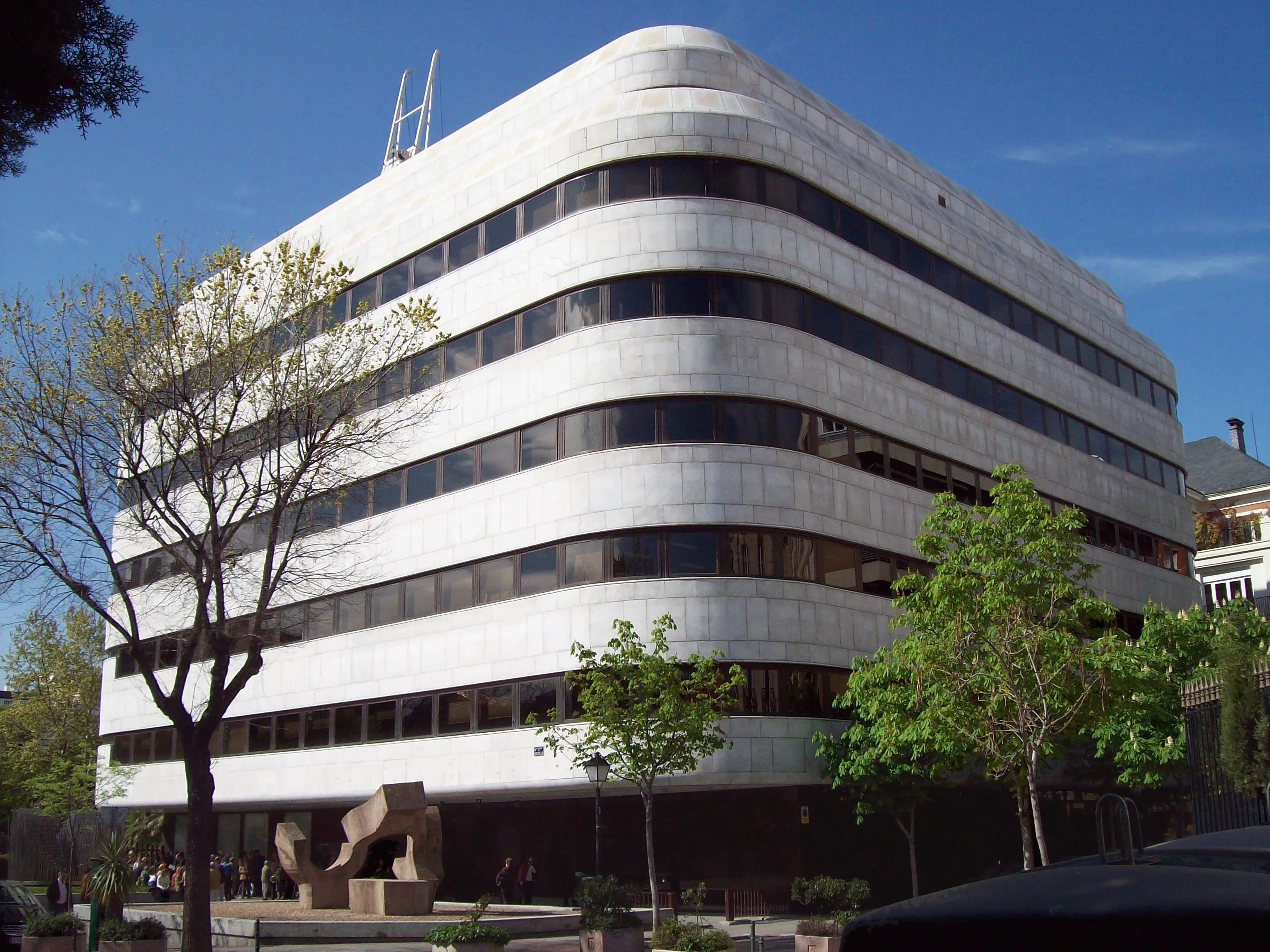
Modern white building with curved facade and horizontal rows of windows, people walking at the entrance
Juan March Institute opening hours in Madrid

Check today’s opening status, weekly schedule, and special date changes for Juan March Institute. Use these opening hours to plan your arrival and avoid closed times in Madrid.

Monday
Tuesday
Wednesday
Thursday
Friday
Saturday
Sunday
10:00-20:00
10:00-20:00
10:00-20:00
10:00-20:00
10:00-20:00
10:00-20:00
10:00-14:00
Juan March Institute Admission

The Juan March Institute in Madrid provides complimentary admission for all its visitors. This policy ensures that everyone can easily access and experience its diverse cultural programs, including temporary art exhibitions and world-class concerts. As entry is universally free, specific tickets for children, groups, students, or seniors are not required for general access.

Free General Admission Invitation

Free

Maximum of 2 invitations per registered user. Online bookings must be made 7 days prior to the event from 09:00 to 12:00. Unvalidated invitations at the start of the event will be automatically canceled. Tickets can also be collected at the box office 1 hour before starting.

Accessible Seating Invitation

Free

Requires proof of a minimum 33% reduced mobility or visual impairment. Dedicated seats reserved for individuals with disabilities.

Juan March Institute in Salamanca, Madrid

The Juan March Institute is situated at Calle de Castelló, 77, in Madrid's notable Salamanca neighborhood. This convenient setting positions visitors close to the foundation's primary venue, which hosts a varied calendar of art exhibitions, concerts, and lectures. Its location makes it a central point for experiencing culture within the city.

© OpenStreetMap contributors

Calle de Castelló 77

28006 Madrid

Salamanca, ES

Planning Your Visit to Juan March Institute

The Juan March Institute in Madrid offers free access to its exhibitions, store, cafe, and patio areas, which do not require prior booking. However, for cultural activities, visitors should request invitations in advance to secure entry. Please note that a cloakroom service is not available, and large items like bicycles are not permitted inside.

Planning Your Visit to Juan March Institute

Juan March Institute Cultural Experience

The Juan March Institute, a private non-profit organization, offers a distinct cultural experience focused on art, music, and research throughout Spain. At its main headquarters in Salamanca, Madrid, visitors can engage with a dynamic program of temporary art exhibitions, attend live concerts, and participate in educational lectures. The Institute also provides access to a significant Research Library with specialized collections, supporting scholarly work. Furthermore, the Foundation extends its influence through its Palma location, featuring a modern art museum, and by overseeing the Museum of Spanish Abstract Art in Cuenca. Through its diverse venues and the digital Canal March platform, which offers extensive audiovisual content, the Juan March Institute provides rich cultural engagements for a broad audience.


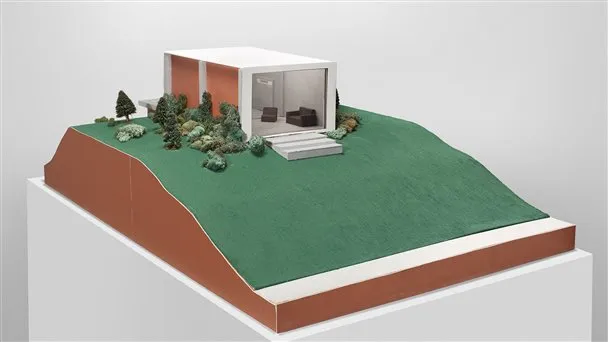
Scale model of a modern house with green lawn and trees on display
Top exhibition picks at Juan March Institute
Curated museum program highlights and what to see now in Madrid
Discover high-interest exhibitions at Juan March Institute, selected to help you prioritize your route, compare show themes, and plan a more rewarding museum visit in Madrid.
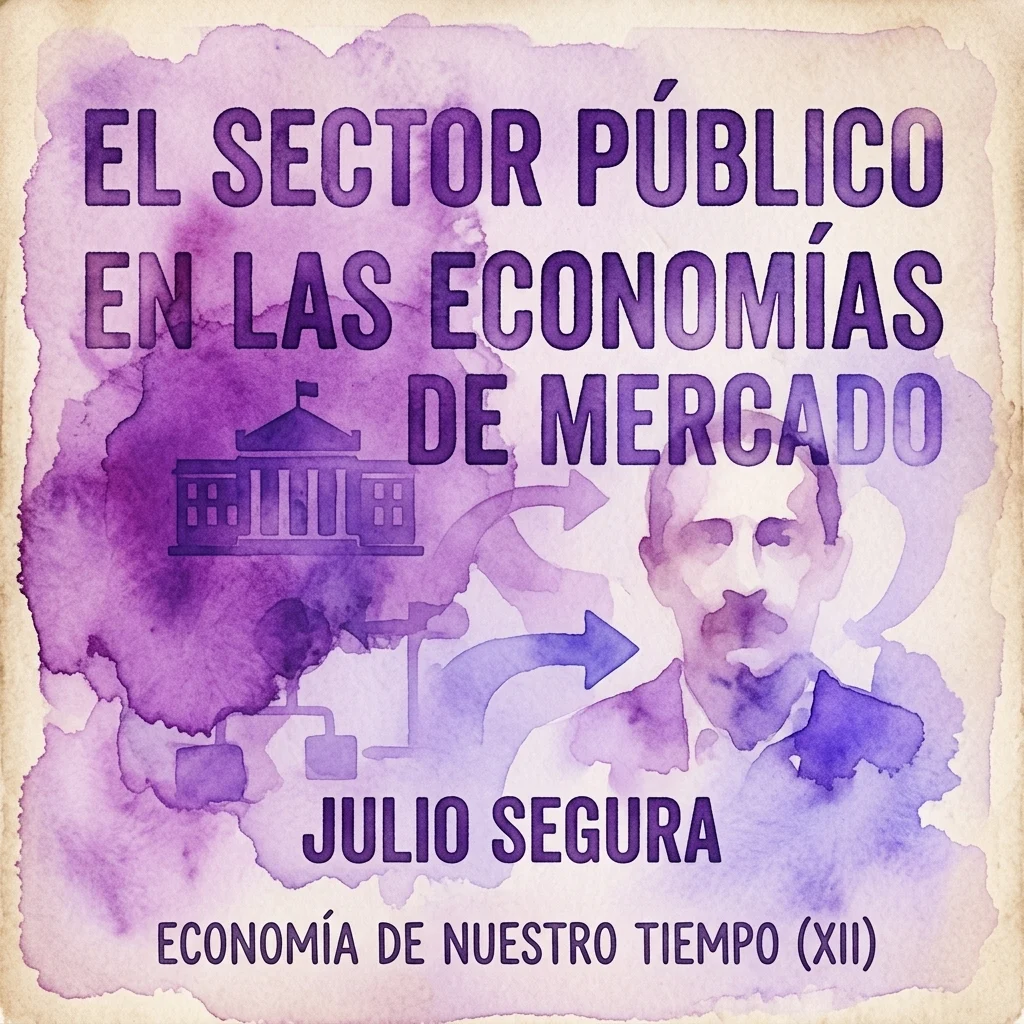
Vintage book cover with purple watercolor design, featuring the title 'El Sector Público en las Economías de Mercado' by Julio Segura, part of the 'Economía de Nuestro Tiempo (XII)' series.
Permanent exhibition

Juan March Institute: El sector público en las economías de mercado Publication

An essential 2001 essay on public sector economics and policy.

Explore this important 2001 work by Julio Segura Sánchez, part of the 'Ensayos del Boletín Informativo' series. The publication from Fundación Juan March provides a specialist's perspective on market economies and the public sector, offering a deep dive into historical economic policy discussions.

View Publication
A watercolor illustration of a jazz concert featuring musicians in period attire playing a cello, piano, and saxophone in a Baroque-style hall with a chandelier.
Permanent exhibition

Photographic Record of Johann Sebastian Jazz: Classical Bach Meets Jazz Concert

Archived performance document from November 22, 2025, at Juan March Institute.

This photographic entry preserves the 'Johann Sebastian Jazz' concert, a captivating blend of Bach's classical works with innovative jazz interpretations. Part of the 'Saturday Concerts' series, it offers a visual and conceptual mirror of music history.

Concert Record
A watercolor artwork depicting a mystical purple forest with cosmic swirls, stars, and a glowing river, representing the connection between Amazonian nature and celestial energy.

"Cosmos y energía amazónica": An Olinda Silvano Exhibition of Amazonian Art and Healing

From the 'Antes de América' collection, focusing on Amazonian ritual and healing.

Learn about Olinda Silvano's "Cosmos y energía amazónica," a powerful artwork within the 'Antes de América' collection. This piece highlights Amazonian energy, ritual practices, and indigenous healing traditions.

View Exhibition
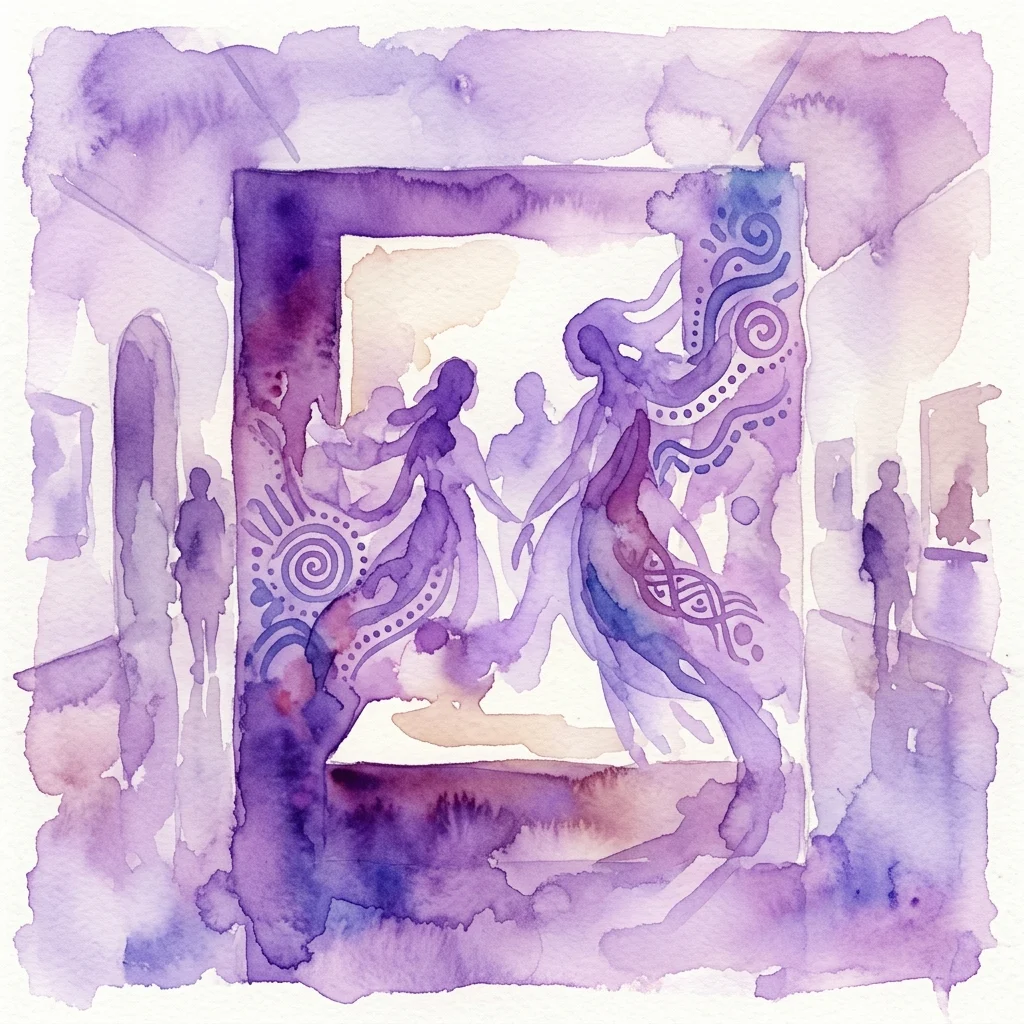
Watercolor artwork depicting spiritual figures in purple hues, representing 'El retorno de las almas' from the 'Antes de América' exhibition, featuring indigenous motifs and decolonial themes.

El retorno de las almas: Benvenuto Chavajay's Art at Juan March Institute

Explore decolonial critique within the 'Antes de América' collection item.

This entry, "El retorno de las almas," showcases Benvenuto Chavajay's work. It's featured in the "Crítica Decolonial" section of the "Antes de América" exhibition at the Juan March Institute. Discover this indigenous contemporary art piece.

El retorno de las almas
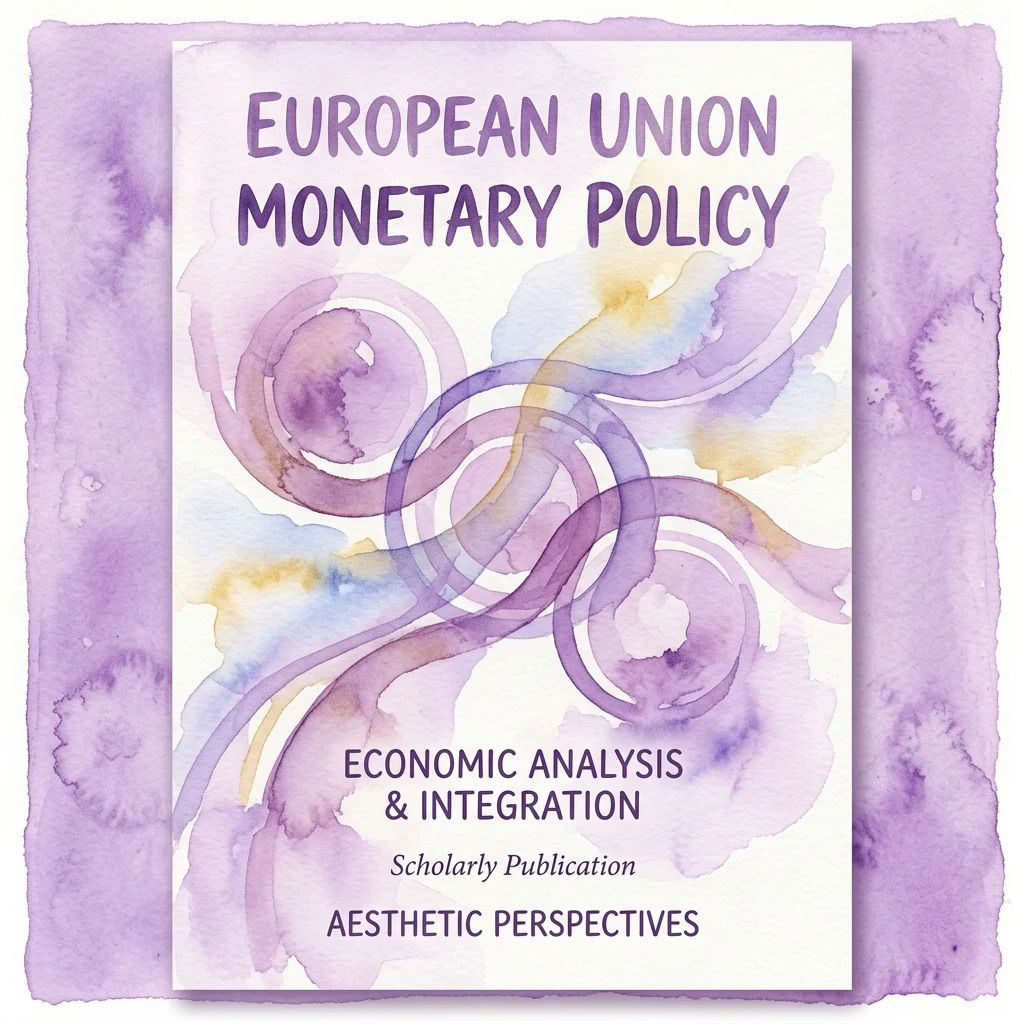
Cover of a scholarly publication titled 'European Union Monetary Policy' with abstract watercolor designs in purple and gold, focusing on economic analysis and integration.

Monetary Policy of the European Union: Publication from Juan March Institute

Expert analysis by José Luis Malo de Molina on EU economic history.

Discover 'Monetary policy of the European Union', published in 2001. This document from the Juan March Institute, authored by José Luis Malo de Molina, explores critical aspects of EU economic integration and policy. It serves as a valuable resource for historical research.

Monetary Policy Publication
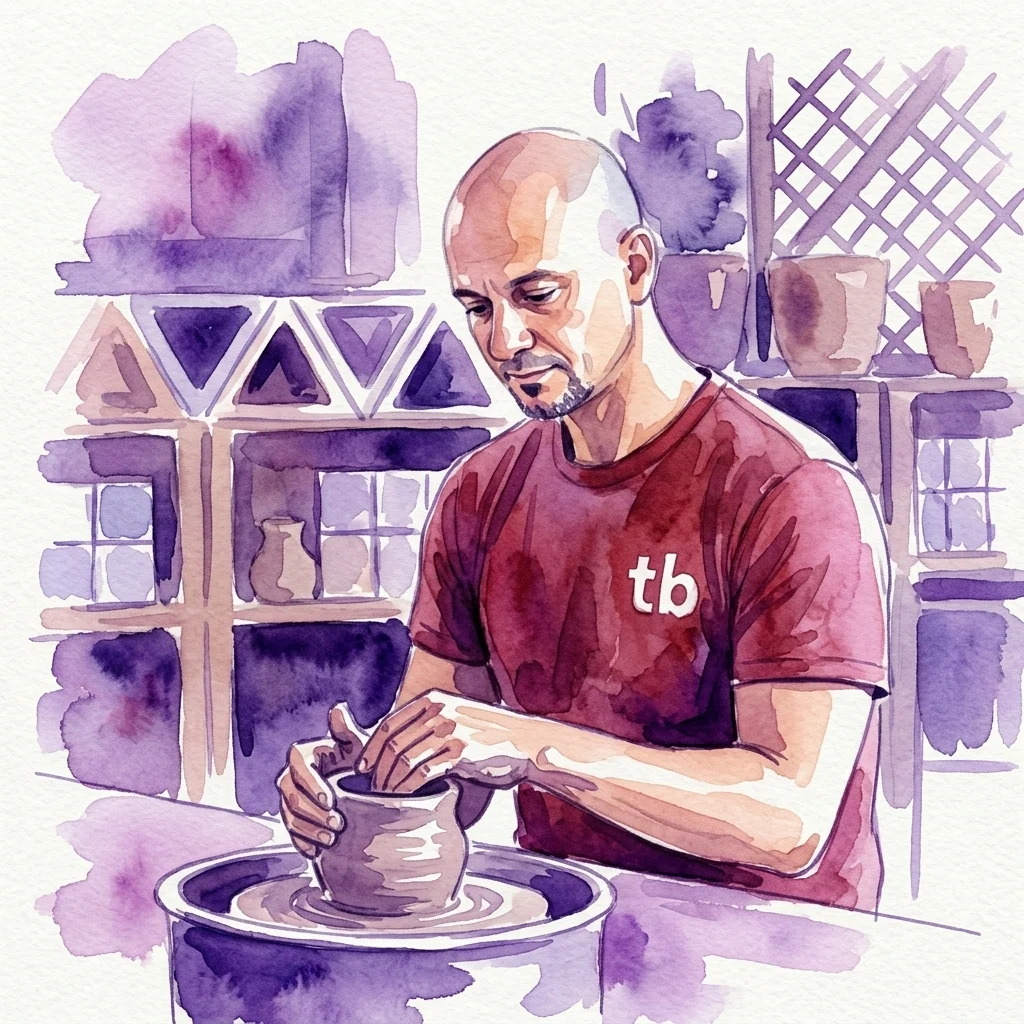
A watercolor illustration of a craftsman working with clay on a pottery wheel, surrounded by shelves displaying fired clay products like tiles and latticework, representing Todobarro's neo-artisan approach.

Todobarro Exhibition: Exploring Neo-Artisan Fired Clay and Contemporary Craft

Featuring Pedro Rosa Mena's vision for revitalizing artisanal design.

Explore the neo-artisan approach to fired clay with Pedro Rosa Mena, founder of Todobarro. See how their contemporary interpretations transform traditional craft products like tiles and latticework.

View Exhibition
A purple watercolor painting of a banana plant sapling with roots, surrounded by swirling patterns, representing the Wapichana ancestral landscape and the concept of Baaraz Kawau.

Gustavo Caboco's Muda de bananeira Wapichana: Ancestral Landscape Artwork

Discover this powerful 2019 artwork from the 'Antes de América' project.

Gustavo Caboco's 'Muda de bananeira Wapichana' (2019) explores ancestral indigenous themes. This piece is a key component of the 'Antes de América' exhibition, focusing on ritual and healing. Learn about its cultural significance.

Exhibition Details
Framed artwork titled 'Donde el movimiento empieza y termina II' by Hellen Ascoli, featuring abstract purple and teal patterns with a bird and serpent, displayed on a wooden shelf against a purple watercolor wall.

Explore Donde el movimiento empieza y termina II: An Artwork by Hellen Ascoli

Part of the 'Antes de América' exhibition focusing on ritual and healing.

Discover details of Hellen Ascoli's 2019 artwork, 'Donde el movimiento empieza y termina II.' It is featured in the 'Ritual, Telúrico y Sanación' section, highlighting its cultural context. Learn more about this specific piece from the 'Antes de América' collection.

Artwork Details

History and Development of the Juan March Institute

The Juan March Institute's lineage traces back to 1987 when the Fundación Juan March established the Advanced Center for Social Science Studies (CEACS) to promote social science research. This commitment evolved, and by 2007, CEACS broadened its mission to include postdoctoral research, providing three-year grants to global scholars. A significant transformation occurred in 2013, as the institute was rebranded as the Instituto Carlos III-Juan March (IC3JM), a joint initiative with Carlos III University. This change also brought a relocation from central Madrid to the Getafe campus, marking a **key phase in its academic development** under Director Ignacio Sánchez-Cuenca.

  • Predecessor organization opened

    1987Founding

    The Advanced Center for Social Science Studies (CEACS), the predecessor to the Juan March Institute, was established in 1987 by the Fundación Juan March to support social science research.

  • Relocation and rebranding of research institute

    2013Relocation

    In September 2013, the Advanced Center for Social Science Studies (CEACS) was jointly supported by the Fundación Juan March and Carlos III University, becoming the Instituto Carlos III-Juan March (IC3JM). The institute was relocated from Salamanca in central Madrid to the Getafe campus of Carlos III University.

  • Director appointed for new institute

    2013Notable person

    Ignacio Sánchez-Cuenca has served as the Director of the Instituto Carlos III-Juan March (IC3JM) since its inception in 2013, following the institute's formation and relocation.

  • Focus shifted to postdoctoral research

    2007Historical period

    In 2007, the Advanced Center for Social Science Studies (CEACS) decided to expand its focus to include postdoctoral research, offering three-year research grants to leading professors globally.

Juan March Institute: Your Curious Questions, Answered

Before you visit the Juan March Institute in Madrid, you might have a few questions up your sleeve. Wondering about opening hours or if you can simply pick up the phone to chat? We've gathered all the essential details and even some surprising answers to help you plan your perfect day.

How do I get entry tickets for the Juan March Institute?

You can request free invitations online seven days in advance, with a limit of two invitations per registered user. Alternatively, you can collect invitations directly at the box office one hour before the event starts, depending on availability.

Are there age limits or child tickets for Juan March Institute events?

There are no specific child tickets because entry is free, but children under five years of age are not admitted to the events. Children aged five and older require their own free entry invitation.

Does Juan March Institute offer special student or group tickets?

No, there are no specific student or group tickets because all events at the venue are free for everyone. All visitors must obtain their own individual free invitations to gain entry.

Is admission to the Juan March Institute free?

Yes, entry to all events at the Juan March Institute is completely free. Visitors do not have to pay an entry fee but must secure a free invitation to attend.

Juan March Institute Visitor Tips

To plan your visit to the Juan March Institute, note that while general access to exhibitions, the store, cafe, and patio is free without prior booking, cultural activities require requesting invitations in advance. Photography, video, and selfies are not permitted due to copyright. For a comfortable experience, silence mobile phones in exhibition rooms, and be aware that no cloakroom or locker services are available, meaning voluminous objects like scooters or bicycles are not allowed inside. Free WiFi is provided throughout the building, and young children are welcome in most areas, though those under five are not admitted to auditorium events.

Juan March Institute Visitor Experience

The Juan March Institute in Madrid is well-suited for visitors interested in art, history, and music, offering a blend of temporary exhibitions, concerts, and lectures. Guests can expect a contemplative cultural experience, with an emphasis on research and a quiet environment for enjoying the diverse offerings. While young children are generally welcome, those under five years old are not admitted to auditorium events, and photography or voluminous objects are not permitted inside. Access to exhibitions and public areas is free, though invitations are required for cultural activities, and free WiFi is available.

A Look at Exhibitions at Juan March Institute

These photos showcase the visual experience of temporary art exhibitions presented at the Juan March Institute in Madrid. Visitors can explore the sophisticated modern settings that host these diverse cultural programs. The collection provides a preview of the institution's commitment to contemporary art and its engaging cultural environment.

long gallery hallway with modern artworks on white walls and wooden benches
Modern white building with curved facade and horizontal rows of windows, people walking at the entrance
wooden reception desk with 'PATIO TIENDA' sign above, framed pictures on the wall, and large windows showing greenery outside
Modern building with curved white facade and horizontal rows of windows, surrounded by green trees under a clear blue sky
Modern white building with curved facade and horizontal rows of windows, surrounded by trees under a blue sky
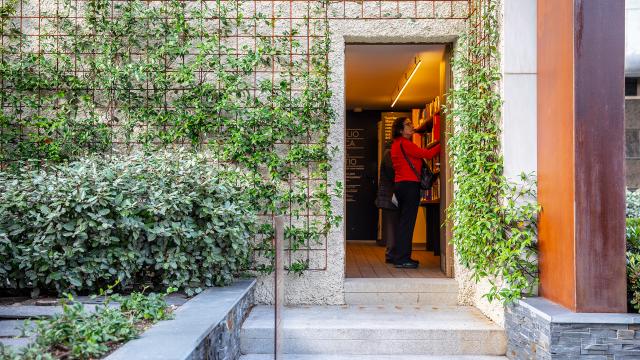
green ivy-covered wall with a doorway leading into a building entrance
Scale model of a modern house with green lawn and trees on display
white geometric pattern on a yellow background
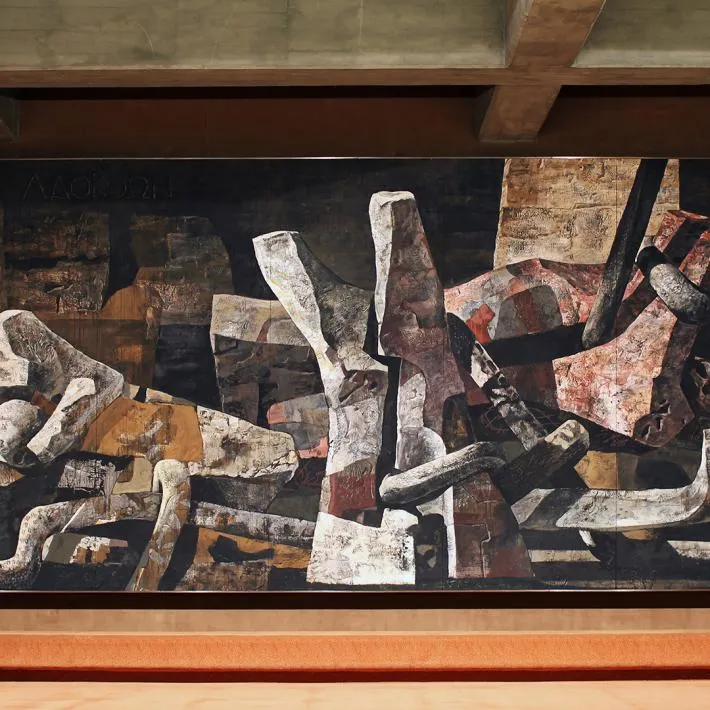
Abstract artwork with fragmented geometric shapes in earthy tones displayed on a wall
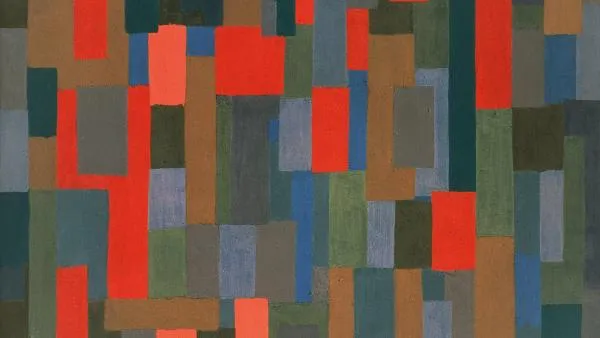
abstract painting with geometric shapes in red, green, blue, and brown
Madrid

Find Madrid Museums: Search for Cultural Attractions and Historical Sites

Discover art, history, and unique cultural experiences throughout Madrid.

Locate inspiring museums in Madrid that match your specific interests. Uncover a wide range of cultural institutions, from renowned art galleries to captivating historical collections. Start your discovery of Madrid's vibrant cultural landscape now.

Explore Juan March Institute with Madrid
Guides, visitor info, and museum details in Madrid
Find everything about Juan March Institute in one place, including tickets, opening hours, current exhibitions, location details, visitor tips, nearby attractions, and the latest museum updates. Use these pages to plan your visit, discover what to see, and get practical information before you go.
Discover nearby museums similar to Juan March Institute in Madrid and plan your next cultural stop with confidence.
These recommendations prioritize real proximity to Juan March Institute and help you find high-fit alternatives faster across Madrid.
Use this curated list to compare museums near Juan March Institute without opening multiple search pages. Each card gives you fast visual context and direct access to key details so you can decide quickly. If you are building a full day in Madrid, this section helps you chain nearby visits with less planning effort.