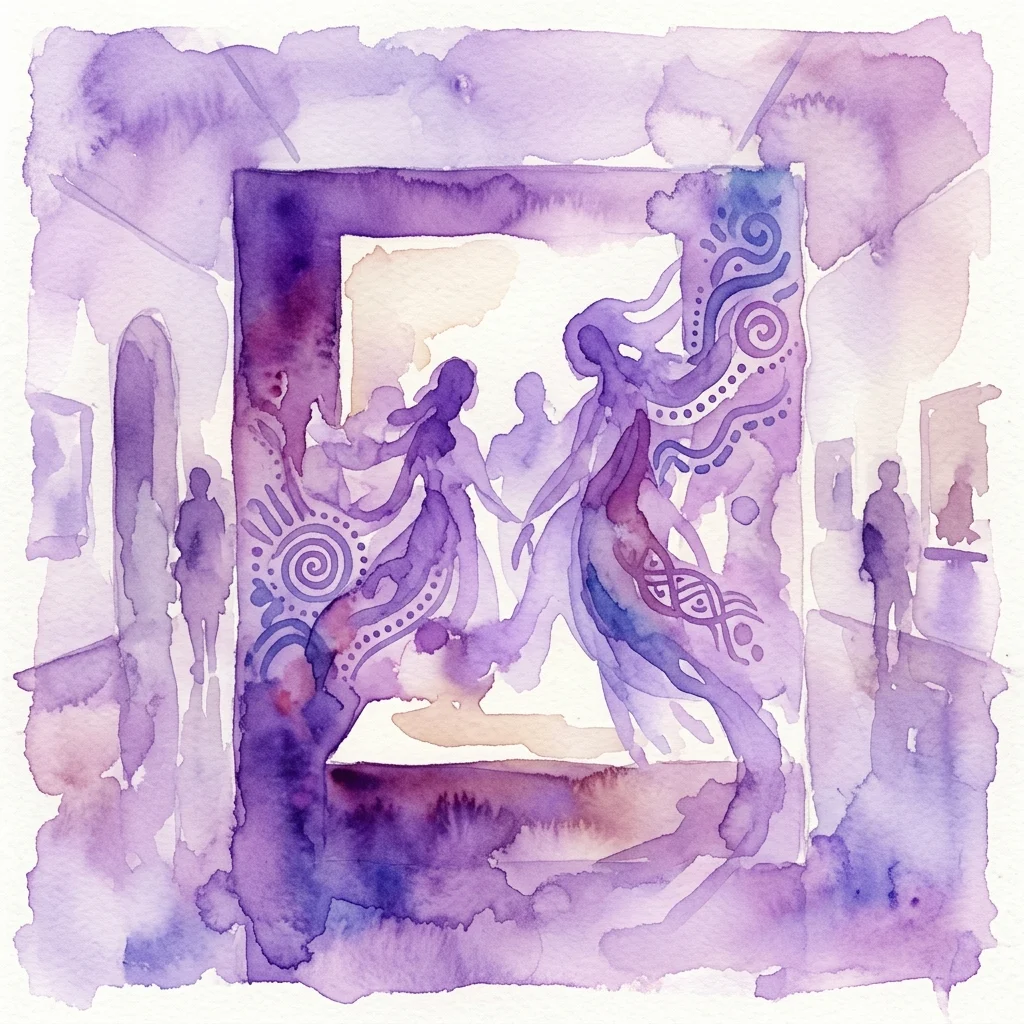
This exhibition focuses on the work of architect Lina Bo Bardi, exploring her multifaceted contributions to Brazilian art and culture from 1946 to 1992. With 348 works by 57 artists, it presents the artistic and cultural panorama of Brazil during the second half of the 20th century, examining her unique 'reverse anthropophagy' approach to cultural assimilation.
The exhibition 'Lina Bo Bardi. Tupí or not tupí. Brazil (1946-1992)' is the first in Spain dedicated to the influential Italian-Brazilian architect and designer Lina Bo Bardi (Rome, 1914-São Paulo, 1992). Trained in Italy during the 1930s, Bo Bardi arrived in Brazil in 1946, where she became a central figure in the country's artistic renewal. Her diverse career as an architect, museographer, designer, writer, and cultural activist was characterized by a dynamic approach to integrating European influences with Brazilian identity.
Bo Bardi's work is framed within the context of Brazilian 'anthropophagy,' a cultural movement that sought to digest and rethink European culture to forge a distinctly Brazilian modern identity. However, she proposed a 'reverse anthropophagy,' where the Old World's gaze is transformed by the New World, aiming to create a new society—an 'aristocracy of the people'—that blended European, Indigenous, and African elements. The exhibition showcases this rich cultural synthesis through architecture, objects, and collective actions, featuring 348 works by 57 artists to illuminate Brazil's vibrant artistic and cultural landscape of the mid to late 20th century.