The Asia Principle: Exploring China, Japan, and India's Influence on Contemporary Spanish Art
Discover how East Asian and Indian traditions shaped artistic production in Spain from 1957 to 2017.
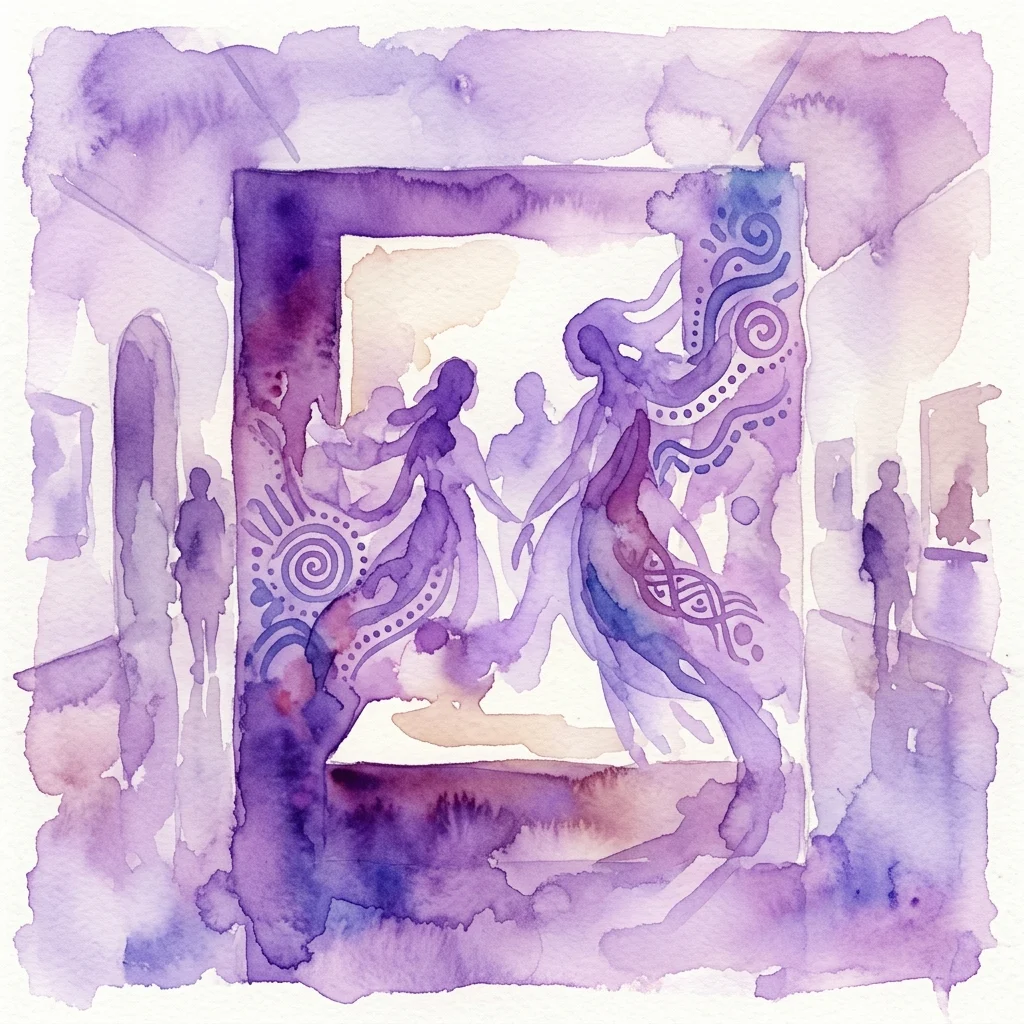
Delve into The Asia Principle, an exhibition investigating the rich connections between East Asian and Indian art and Spanish artistic expression. This comprehensive presentation highlights the reciprocal cultural influences on over 60 artists and more than 300 works, spanning six decades of contemporary art in Spain. Explore diverse artistic forms, from painting to photography and installations, across this significant period.
About The Asia Principle. China, Japan and India & Contemporary Art in Spain (1957-2017) at Juan March Institute in Madrid
Read curatorial context and practical visitor information for The Asia Principle. China, Japan and India & Contemporary Art in Spain (1957-2017) at Juan March Institute in Madrid
Exhibition summary
This exhibition explores the influence of Chinese, Japanese, and Indian cultures on Spanish art from the second half of the 20th century. It examines how these Eastern traditions "reacted" with Spanish artistic elements to produce diverse new structures, focusing on the period from the 1950s to the mid-1960s.
Curatorial context
The Asia Principle delves into the often-unexplored connections between East Asian and Indian art and Spanish artistic production in the latter half of the 20th century. Borrowing its title from the chemical concept of a "principle" reacting to form new structures, the exhibition highlights the reciprocal influence between these cultures. It frames its investigation within the chronological context of the Spanish abstract generation of the 1950s up to artists born around the mid-1960s, a period notably marked by the founding of the Museum of Spanish Abstract Art in Cuenca by Fernando Zóbel. Over 60 artists who worked in Spain, including notable figures like Frederic Amat, Miquel Barceló, Miguel Ángel Campano, Josep Llorens Artigas, Chema Madoz, Joan Miró, José María Sicilia, Susana Solano, and Antoni Tàpies, are featured. The exhibition showcases a broad range of artistic forms beyond painting, sculpture, and works on paper, encompassing installations, photography, new artistic behaviours, and conceptual art.
Presented are over 300 works, with more than 300 Asian and Western pieces displayed together, creating a dialogue between two worlds within the same exhibition space. While including significant loans from international museums, the exhibition prioritizes works from Spanish collections, highlighting their value and often-overlooked status. The project seeks to illuminate how these Eastern influences have shaped the trajectory of contemporary Spanish art, offering a comprehensive overview of artistic exchange and transformation over six decades.
Admission and ticket notes
Information regarding admission or ticketing is not explicitly detailed on this page. Visitors are typically directed to the main museum website for current access details and booking procedures, which would generally apply to museum entry rather than specific exhibitions unless otherwise stated.
The Asia Principle. China, Japan and India & Contemporary Art in Spain (1957-2017) key exhibition facts
Review exhibition status, schedule, venue context, and attribution details for The Asia Principle. China, Japan and India & Contemporary Art in Spain (1957-2017) at Juan March Institute in Madrid
Venue
Juan March Institute
Current status
Completed
Exhibition schedule
Mar 8, 2018 – Jun 24, 2018
Artist line / attribution
Features over 60 artists who have worked in Spain, including Frederic Amat, Miquel Barceló, Miguel Ángel Campano, Josep Llorens Artigas, Chema Madoz, Joan Miró, José María Sicilia, Susana Solano, and Antoni Tàpies, among many others.
Madrid
Find Exhibitions in Madrid: Explore Current Showcases and Cultural Events
Discover Madrid’s diverse art, history, and science cultural displays.
Navigate through Madrid’s vibrant exhibition scene to uncover artistic, historical, and scientific showcases. Pinpoint specific cultural experiences and plan your visits with ease. Explore an array of compelling displays across the city.