
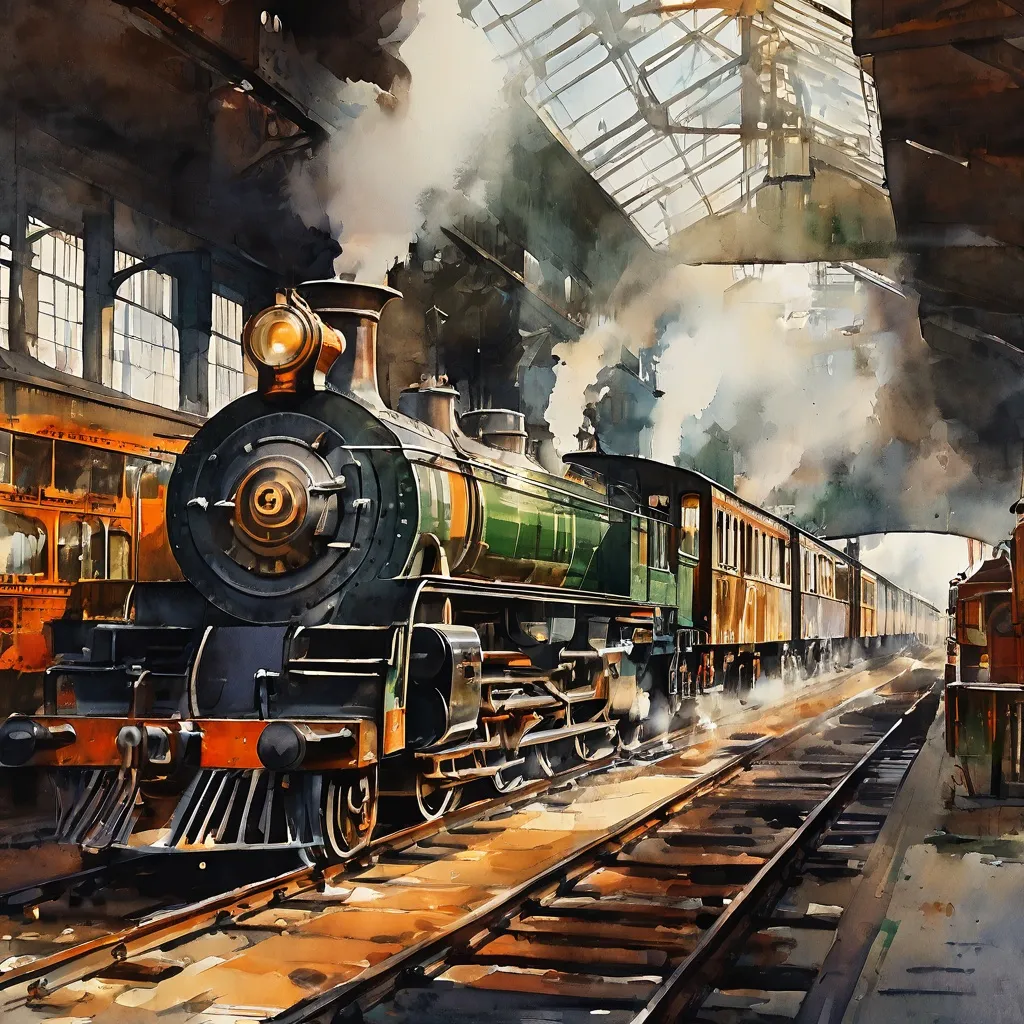
Four Restored Castle Class Locomotives Gather for a Rare One-Day Event at Didcot Railway Centre
Steam enthusiasts and railway history followers have a unique opportunity to witness a rare gathering of heritage locomotives. Didcot Railway Centre is set to host a special single-day event bringing together four restored Castle Class locomotives, marking a major milestone for historic Great Western Railway machinery.
What to Expect from the Four-Castle Gathering
Visitors heading to the Didcot Railway Centre site will have the chance to see a lineup featuring two visiting guest engines alongside two resident locomotives. The visiting locomotives—5043 “Earl of Mount Edgcumbe” and 7029 “Clun Castle”—are traveling from Tyseley Locomotive Works, courtesy of Vintage Trains.
Upon arrival, all four engines will assemble for a special photographic line-up. The formation pairs the visiting pair with Didcot’s newly restored and operational 4079 “Pendennis Castle” and the cosmetically restored 5051 “Drysllwyn Castle”. Following the photo opportunity, the guest engines will be turned, take on coal and water, and prepare for their journey home.
Celebrating a Century of Castle Class Locomotives
The gathering marks the centenary of the Castle Class, which began in 1923 when No. 4073 Caerphilly Castle entered service. Widely regarded as one of the UK’s most successful express passenger steam locomotive designs, the class left a permanent mark on British railway history.
This special event offers a rare glimpse into the legacy of these machines, bringing together individual locomotives with distinct preservation backgrounds:
- 7029 Clun Castle: Built in 1950 by British Railways, this engine secured its place in history by setting a record for the shortest point-to-point journey from Plymouth to Bristol in 1964.
- 5043 Earl of Mount Edgcumbe: Constructed in 1936 as an authentic GWR locomotive, this engine was rescued from Barry Scrapyard and meticulously restored by Tyseley Locomotive Works.
- 4079 Pendennis Castle: Completed in Swindon in February 1924, this locomotive returned to active traffic following an extensive multi-year overhaul and has received recognition for its preservation.
- 5051 Drysllwyn Castle: Built in May 1936 and also known as Earl Bathurst, this machine arrived at Didcot in 1970 and currently remains on static display.
For further details on visiting the exhibition and planning your trip, you can explore more local culture spots and recommendations on Musemap (musemap.art). To discover additional heritage locations and plan your itinerary, feel free to browse the museums list or check the interactive map view.


