
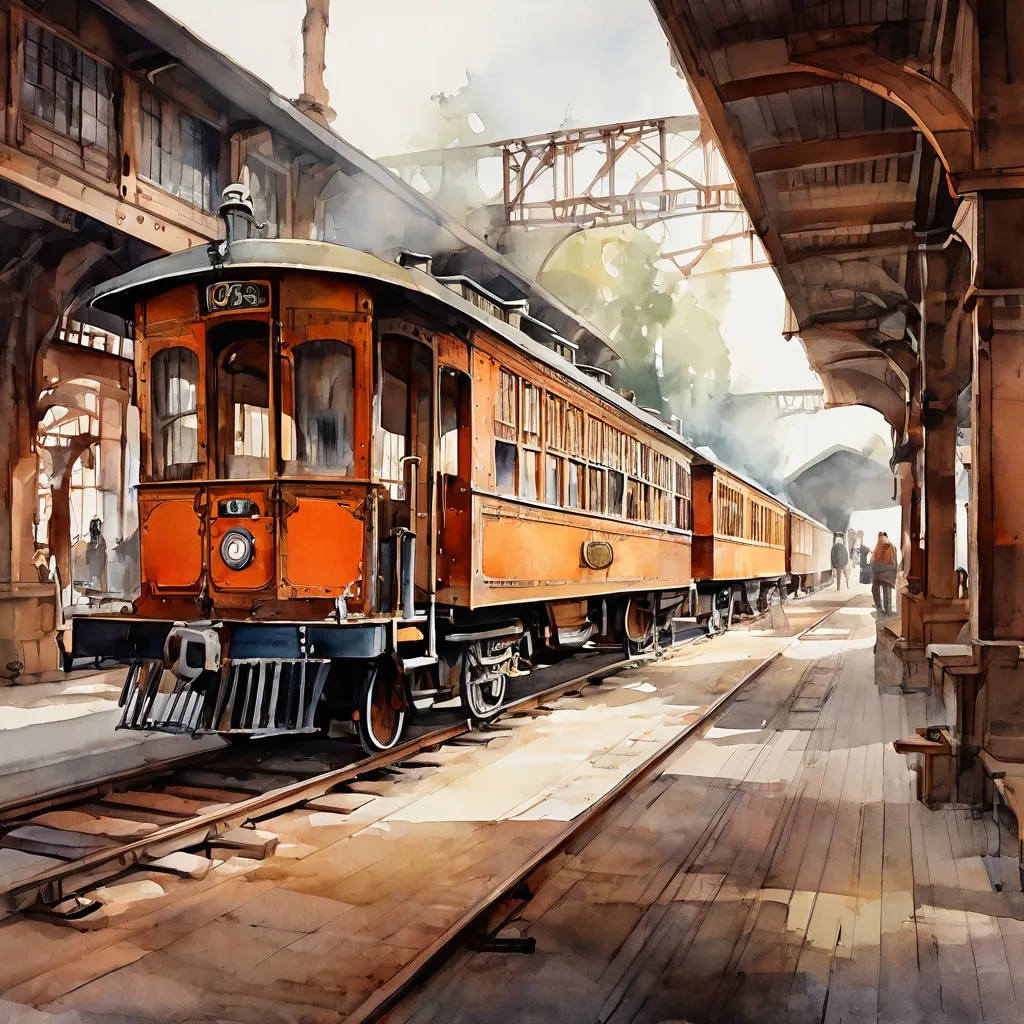
Didcot Railway Centre Welcomes Historic 1887 GWR Coach No. 820
Visitors exploring railway heritage near Oxford have a new piece of history to look out for, following the arrival of a rare 19th-century carriage at Didcot Railway Centre. The living museum has taken delivery of Great Western Railway (GWR) Coach No. 820, adding a unique artifact to its collection of vintage rolling stock.
A Rare Survivor from the Broad Gauge Era
Built in 1887, Coach No. 820 is a fascinating example of railway engineering and adaptability. It was constructed as a Broad Gauge Convertible, meaning the vehicle body was designed to fit standard loading gauges while being mounted on an initial broad-gauge underframe. This clever design allowed railway operators to rapidly expand their broad-gauge fleet while ensuring the coach bodies could easily transition to standard-gauge underframes when the broad gauge was ultimately abolished in 1892.
Originally configured as a tricomposite carriage featuring first-, second-, and third-class compartments—with the second class later downgraded in 1907—the coach remained in active passenger service until roughly 1952. Afterward, it transitioned into a departmental vehicle and spent decades under the care of the Bristol Museums Service, Swindon Museum, and the National Railway Museum (NRM) at York, before eventually being housed at the NRM's Shildon depot.
Journey to Oxfordshire
The transfer came about after the Science Museum Group offered the vehicle for relocation from its collection. Following a successful bid by the Great Western Society, ownership was formally transferred to Didcot.
The historic carriage was transported by road from Shildon to the West Yard, and subsequently moved by rail directly into the heritage site. The long-term ambition for the center is to carefully restore the carriage to operational condition, matching its appearance at the time of the historic gauge changeover, where it will join the site's growing fleet of Victorian carriages.
Plan your next day out or check for upcoming special events and running days by exploring the Oxford museum map, or browse more heritage attractions across the region via the museum search. You can also plan your itinerary easily using Musemap (musemap.art).


