
Oxford
News

Return of the 1897 Trojan locomotive to Didcot Railway Centre

News from Didcot Railway Centre

After a decade-long restoration, the historic 1897-built Trojan locomotive is returning to active service at Didcot Railway Centre. Visitors can witness this rare 0-4-0 saddle tank in operation, marking its new status as the oldest working Great Western Railway locomotive in the fleet.

Steam TrainsRestorationHeritage RailwayEvents
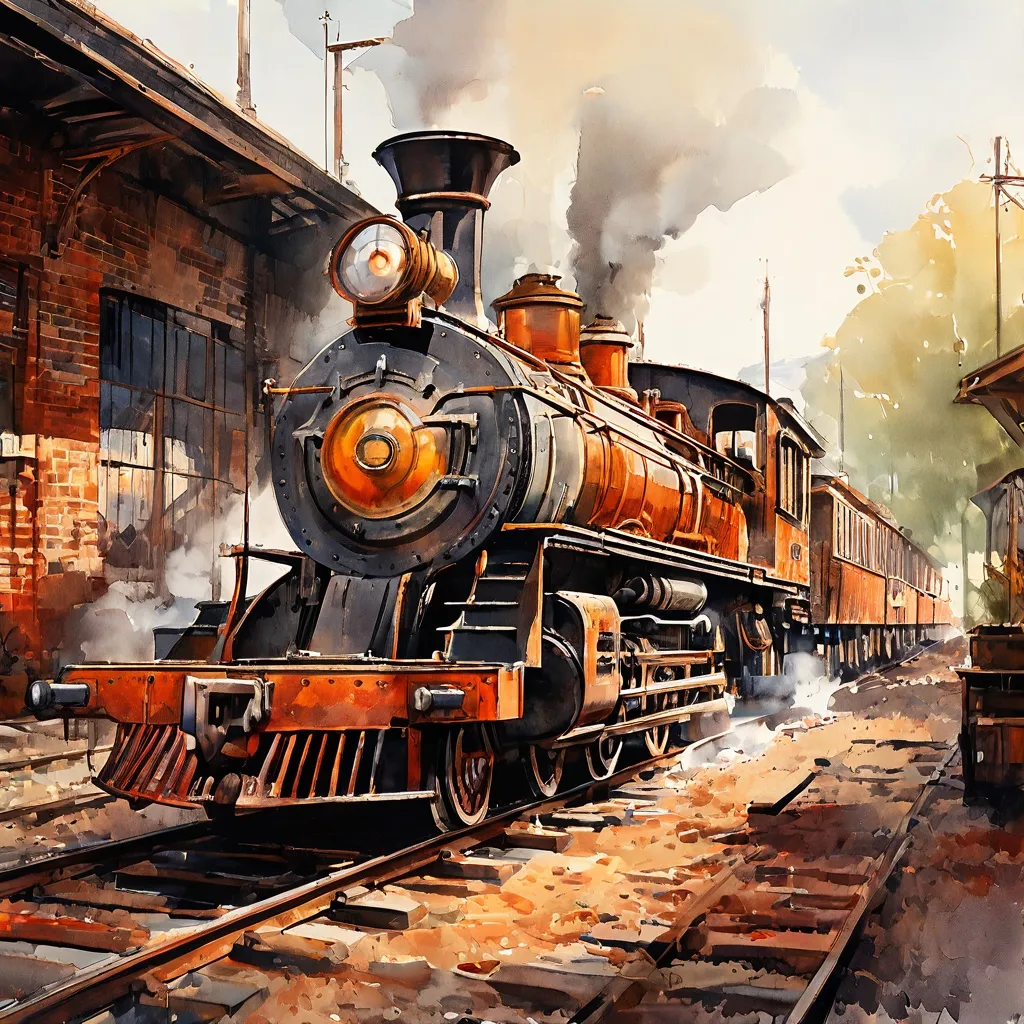
The historic 1897 Trojan steam locomotive at the Didcot Railway Centre.

1897-Built Locomotive Trojan Returns to Steam at Didcot Railway Centre

Railway history enthusiasts visiting the Oxford area have a remarkable new attraction to experience as the historic 0-4-0ST locomotive “Trojan” returns to active service. Built originally by the Avonside Engine Company in Bristol in 1897, the diminutive engine has officially reclaimed its status as the oldest working Great Western Railway locomotive following an extensive restoration project.

Experiencing the Historic Return at the Oxford Heritage Site

The engine's return to steam is marked by a special ceremony featuring local MP David Johnston OBE, with the locomotive taking center stage across a bank holiday weekend of special demonstrations. Visitors can watch Trojan operate demonstration goods trains along the branch line, handle passenger turns, and participate in unique photographic opportunities across the 21-acre site.

A particular highlight for visitors is the rare gathering of all four of the living museum's 0-4-0 locomotives positioned directly in front of the iconic Engine Shed, where Trojan joins engines 1338, No. 5 “Shannon,” and No. 1 “Bonnie Prince Charlie.”

Inside the Restoration of a Dock Railway Legend

Weighing under 23 tons with compact 3-foot driving wheels, Trojan was originally constructed for heavy shunting duties on the tightly curved tracks of Newport's docks. Following its acquisition by the Great Western Railway in 1923 and subsequent decades of industrial use, the engine eventually arrived at the heritage center in 1968.

After operating regularly in preservation from 2002 until its boiler certificate expired in 2011, the locomotive underwent a comprehensive overhaul by Loughborough-based Locomotive Maintenance Services. The meticulous project involved extensive boiler repairs—including a newly fabricated copper firebox, tubeplate, and complete retube—alongside motion refurbishments and tyre turning.

For visitors planning their next cultural outing or looking for more historic attractions around the region, Musemap (musemap.art) helps you discover local highlights. You can easily explore more museums or browse the interactive map view to plan your next visit.

Related museum topics and stories from Didcot Railway Centre in Oxford
Explore connected topics from this article
Use topics from "Return of the 1897 Trojan locomotive to Didcot Railway Centre" to discover related museum stories, film programs, and cultural events connected to Didcot Railway Centre in Oxford.
Didcot Railway CentreTrojan locomotivesteam train ridesGreat Western Railway museumhistoric locomotivesvintage train restorationrailway heritage UKfamily days out Oxfordshire
Related visitor FAQ for this news article
Helpful answers connected to this news topic
Browse quick visitor questions shown for this article, then open the full Didcot Railway Centre FAQ page in Oxford to explore broader planning information.

What makes the Trojan locomotive special?

Built in 1897, the Trojan is officially the oldest working Great Western Railway locomotive currently in the Didcot Railway Centre fleet.

How long has the Trojan been out of service?

The locomotive had been out of steam for nearly ten years prior to its extensive restoration, which included a complete boiler overhaul and significant mechanical repairs.

Can visitors see other locomotives at the same time?

Yes, Didcot Railway Centre often features multiple historic engines in steam. For the return of the Trojan, the centre has scheduled demonstrations featuring all four of its 0-4-0 locomotives.

Is the Didcot Railway Centre open to the public for these events?

Yes, visitors are invited to witness the locomotive in action. Check the official Didcot Railway Centre website for specific operating dates, bank holiday schedules, and general opening hours.

What kind of work was performed during the locomotive's restoration?

The overhaul cost over £200,000 and included fabricating a new copper firebox, extensive motion repairs, tyre turning, and a full refurbishment of the valve gear.

About Didcot Railway Centre in Oxford

Didcot Railway Centre Overview

Great Western Railway heritage

HistoryLocal heritage

Musemap helps you plan your journey to Didcot Railway Centre with essential visitor guides. Dive into Oxfordshire's rich transport heritage and explore other fascinating historic sites and museums in the Didcot area.

Open full Didcot Railway Centre museum overview
Oxford

Find Museums in Oxford by Interest and Subject

Search historic collections and local heritage venues

Discover cultural attractions in Oxford matching your specific interests. Search university archives, art galleries, and historic landmarks to find the perfect destination for your next visit.

Discover nearby museums similar to Didcot Railway Centre in Oxford and plan your next cultural stop with confidence.
These recommendations prioritize real proximity to Didcot Railway Centre and help you find high-fit alternatives faster across Oxford.
Use this curated list to compare museums near Didcot Railway Centre without opening multiple search pages. Each card gives you fast visual context and direct access to key details so you can decide quickly. If you are building a full day in Oxford, this section helps you chain nearby visits with less planning effort.