
Pisa
Museum itinerary · Pisa

Pisa Cathedral Museums: From Fresco Sketches to Bronze Doors

Read the art of Piazza dei Miracoli at the distance of a workshop bench.

Begin at the Sinopie Museum with the red drawings once hidden behind the Camposanto frescoes. Across the square, look at Bonanno Pisano’s bronze door and the cathedral treasures close enough to distinguish a sculpted fold or a carved detail.

Museum stops
2
Visits and transfers
2 hr 21 min
Suggested days
Any day
Why these museums go together

The tower gives Pisa its silhouette. The cathedral museums show how the buildings and their decoration took shape. Start with the full-scale drawings once hidden beneath the Camposanto frescoes, then cross to the sculpture and liturgical objects made for the cathedral complex.

Begin with the evidence a finished work usually conceals. The underdrawings preserve divided tasks and decisions on a large painted wall. The Opera museum introduces different constraints: a bronze threshold touched for generations, a stone figure originally seen from far below, and an ivory carved for close attention. These differences give you a vocabulary for looking at the cathedral outside.

ArtArchitecture
Route map
© OpenStreetMap contributors

The itinerary, stop by stop

Stop 1 · 55 min
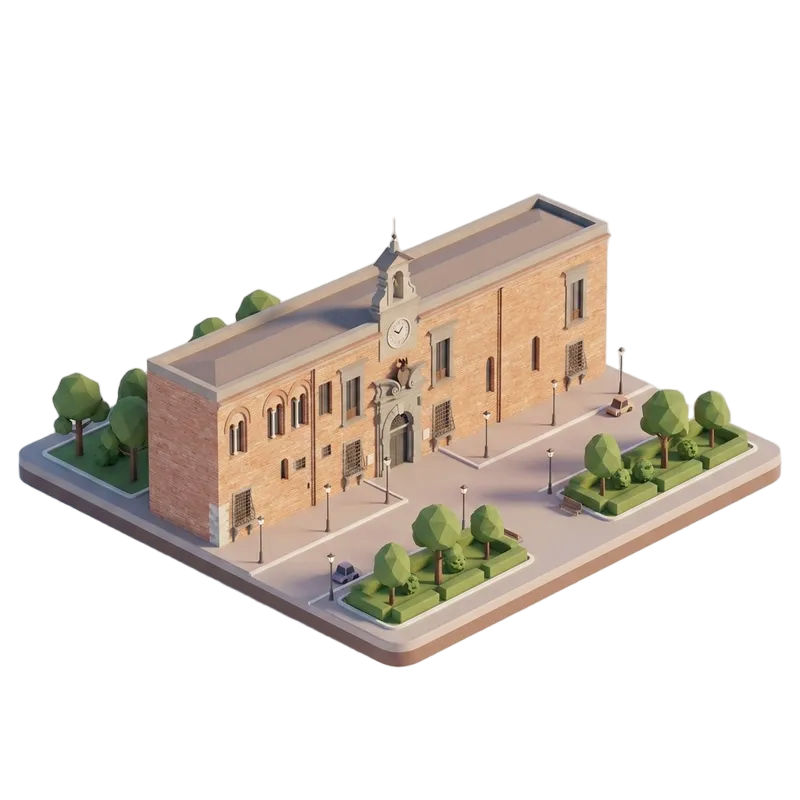
Museo delle Sinopie

Look for the red-earth underdrawings transferred from the Camposanto after the wartime fire. Their loose construction lines make the process of scaling an image to a monumental wall visible. Give the first ten minutes to the technique: establish why the colour looks faint and why the scale is so large. Next study the Triumph of Death cycle and one of the later narratives. Finish by comparing two renditions of a face or hand. Do that from several steps back before moving close enough to read the explanations. If a section is unavailable, choose another sinopia with both figures and architecture and make the same comparison.

What to look for

Triumph of Death and the Thebaid
In the cycle associated with Buffalmacco, find a dense group of figures before tracing the outer limits of the scene. Look for places where single strokes mark motion and where tightly repeated contours hold a crowd together. Try reading the image across its full width.
Saint Ranieri in outline
Andrea Bonaiuti’s scenes about Pisa’s patron give you a way into the local story. Follow a repeated figure between episodes and look at how the artist signals that the setting has changed. You can follow the narrative even where detail is lost.
The story of Job
In the drawings associated with Taddeo Gaddi’s Job cycle, examine the contrast between active gestures and spaces left open around the figures. This gives you a simpler test for seeing how painters used distance and empty wall to organise a complex story.
Benozzo Gozzoli’s Old Testament
Choose a section from this later cycle and compare how architectural lines divide the action with the earlier drawings. Pick a single alteration or loose contour and ask what other solution the painter might have tried before committing to the final surface.

Walk · 6 min

Getting to Museo dell'Opera del Duomo

Walk about 250 m east across Piazza del Duomo toward the Leaning Tower. The Opera museum entrance is south of the tower.

Stop 2 · 1 hr 20 min
Museo dell'Opera del Duomo

The museum brings original cathedral works into viewing distance. Look for the bronze Porta di San Ranieri by Bonanno Pisano and compare its small narrative panels with the monumental church exterior. Begin with work that could be read from a distance: carved figures and the cathedral door. Continue to the griffin and think about how a piece from outside Italy acquired a prominent place on a Pisan building. Give the final twenty minutes to smaller treasury objects. If the bronze is unavailable, use the wooden crucifix to compare silhouette and detail, then step outside and read those features at architectural scale.

What to look for

Porta di San Ranieri
Stand where you can see several of Bonanno Pisano’s bronze panels at once. Trace the change from the broad gesture of an individual figure to the overall sequence. The doors make a narrative read in episodes, rather like the frescoes you encountered across the square.
The Islamic bronze griffin
Look for the surface decoration and lettering, then picture the animal high on the cathedral roof. The museum holds the original and a copy stands on the building. Keeping those two viewing positions in mind explains why a piece so detailed also has such a strong silhouette.
Burgundian wooden crucifix
The museum identifies this large wooden work as Burgundian. Compare the outline of the cross and body from farther away with details of carving you can see up close. The difference gives a useful way of judging how a sculptor planned for the church interior.
Ivory Madonna and Child
Giovanni Pisano’s small ivory gives you a scale different from the portal. Notice the angle of the bodies and the folds that make the scene legible in little space. If it is off display, compare one of the small enamel or ivory objects in the treasury.
Cathedral treasury and the cloister
Give a miniature or enamel reliquary several minutes before leaving the treasury. In the cloister, let your eyes adjust back to stone, courtyard proportions and the cathedral square outside. This makes a useful closing comparison between work designed for the hand and work designed for the building.
Timing, booking and admission

Set your pace

Start around 10:00 or early afternoon and leave time for the ticket office. If you have a timed tower climb as well, give it a separate slot. For a 10:00 start, reserve until roughly 10:55 for Sinopie and aim for the Opera entrance around 11:05. With eighty minutes inside, you finish about 12:25 before any lunch or tower visit. A late arrival is easier to absorb by dropping a fresco cycle and one treasury case than by rushing the bronze and stone rooms.

What to book ahead

Check the two museum hours and combination choices for your actual date before committing to a tower climb. Put any timed tower ticket outside the museum block. Buying at the square? The operator lists a ticket office by Sinopie, which is convenient before the first gallery. Keep the confirmation handy for the second entrance.

Tickets and museum passes

Use the Opera della Primaziale Pisana ticket page to compare the two museum admissions with the current Piazza del Duomo combination products.

Sources and route research

Browse All Current Museum Exhibitions and Cultural Programs Throughout Pisa
A guide to exploring art and history through city exhibitions.
Connect with the vibrant cultural programming found in local galleries and museums. Discover unique exhibitions covering everything from gothic architecture to maritime heritage across the historic districts of Pisa.
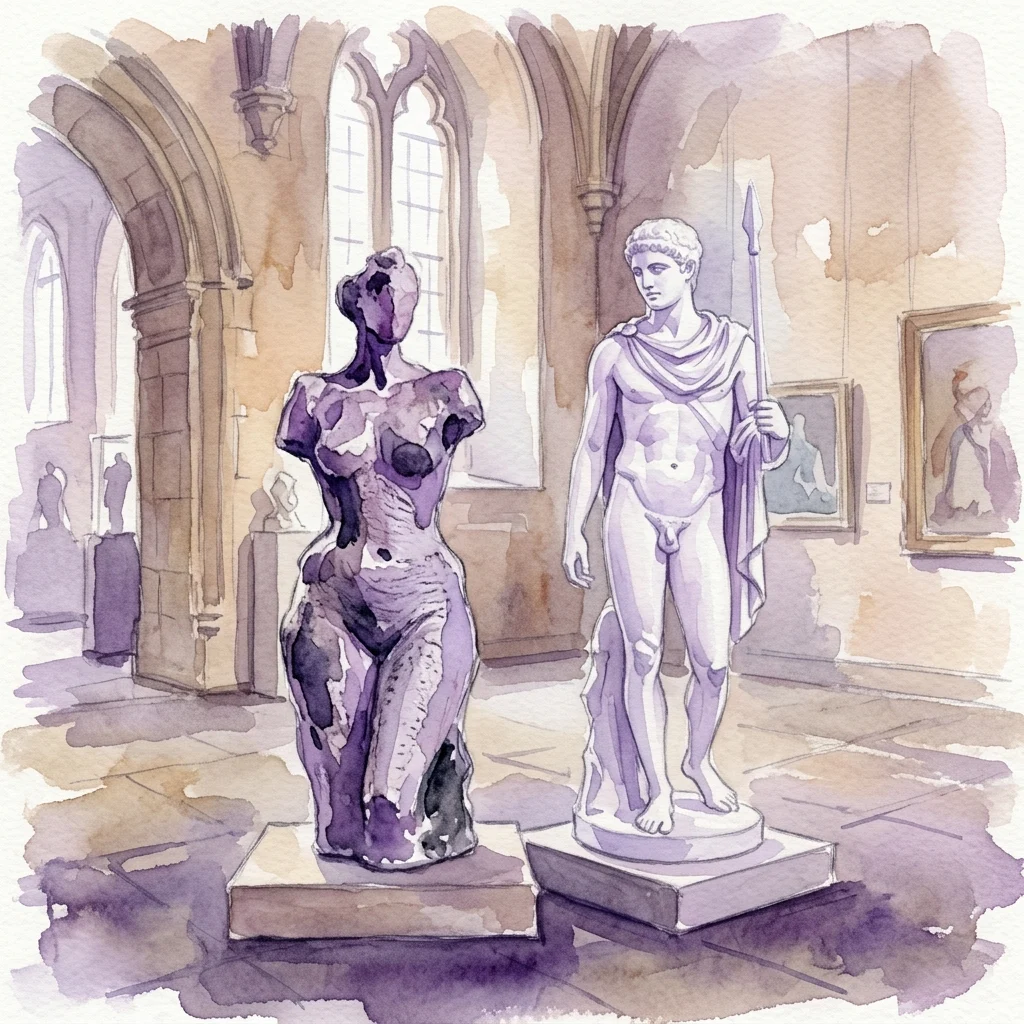
Watercolor illustration of a rough contemporary ceramic sculpture beside a classical white plaster statue of a spear-bearing male figure in a vaulted university gallery.
Gipsoteca of Ancient Art
From Dec 15, 2024

A memoria di forma Exhibition at Gipsoteca di Arte Antica in Pisa

Contemporary ceramic art dialogue featuring Caterina Sbrana and Gabriele Mallegni.

Discover hybrid ceramic and terracotta forms that reinterpret ancient sculptural techniques. This collaborative project at the Gipsoteca di Arte Antica investigates memory, transformation, and artistic regeneration through imaginative portraiture and architectural studies.

A memoria di forma
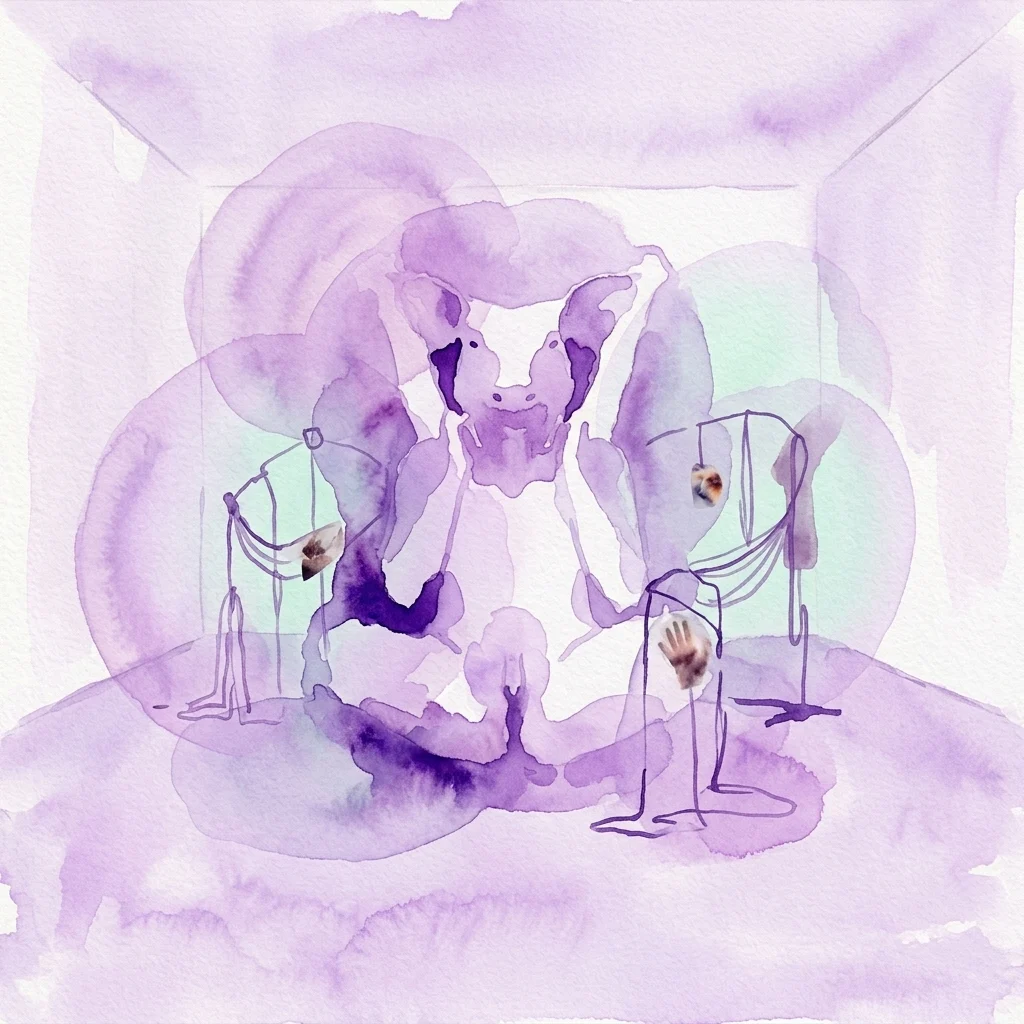
Purple watercolor illustration of abstract sculptural forms with scattered hand motifs, the artwork hero for the IN/CROCI 2.0 exhibition.
Cantiere Sanbernardo
From Feb 15, 2023

IN/CROCI 2.0: A Multidisciplinary Exhibition at Cantiere Sanbernardo in Pisa

An intersectional collective project featuring diverse performance and contemporary art.

Curated by Laura Griffa and Jennifer Telluzzi, this project uses multidisciplinary practices to reflect on complex social dynamics. The collaborative works emphasize individual and group perspectives on themes of identity and exclusion.

IN/CROCI 2.0
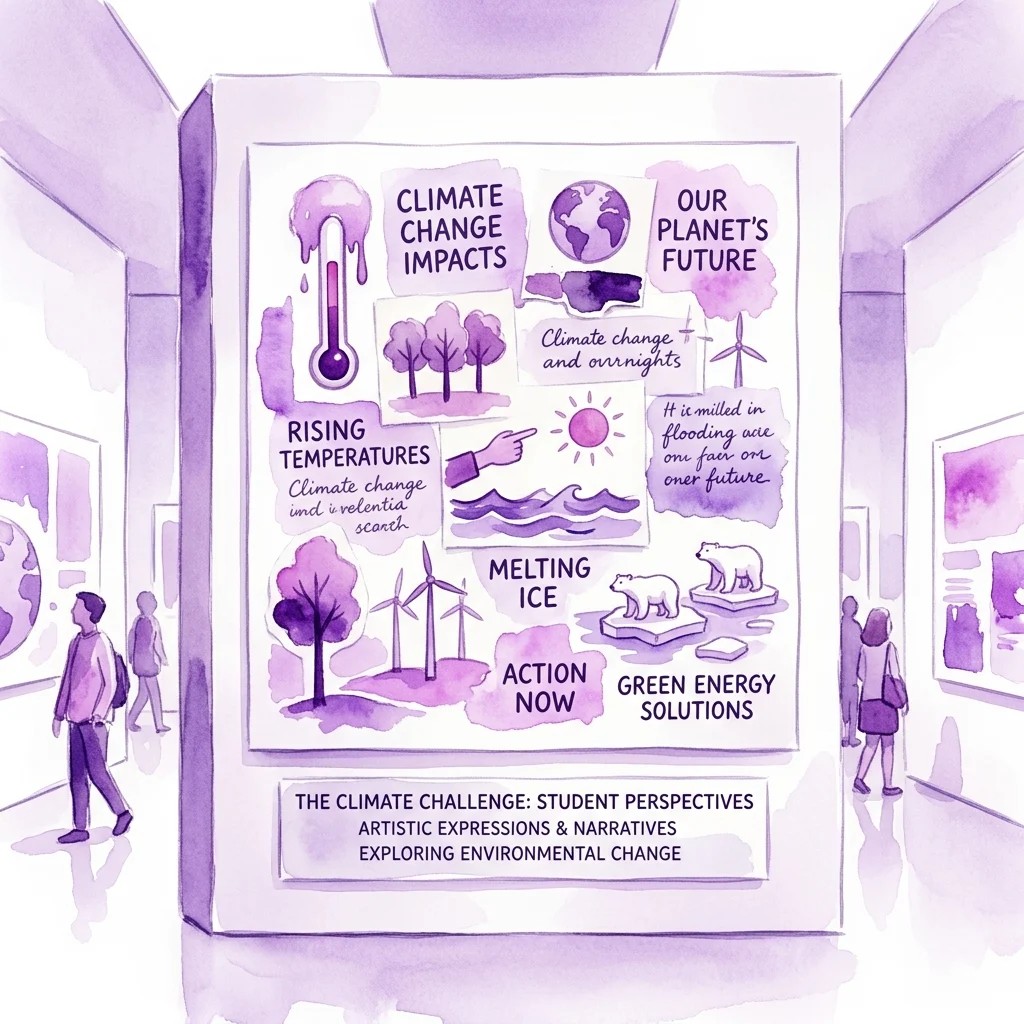
Watercolor-style illustration of a museum gallery wall displaying student artworks about climate change, featuring a thermometer, Earth, trees, a wind turbine, polar bears, and the message 'The Climate Challenge: Student Perspectives.'
Museum of Graphic Arts
From Jul 27, 2026

Climate Through the Eyes of Youth Exhibition at Museo della Grafica

Featuring award-winning student works focused on climate change and sustainability.

Discover a collection of compelling narratives and illustrations created by secondary school students. The exhibition highlights environmental themes through the lens of academic competition and creative expression.

Climate Through the Eyes of Youth
Pisa

Browse the Extensive List of Museums and Cultural Attractions in Pisa

Discover historic art collections and scientific landmarks across the city.

Review an overview of significant museum spaces and cultural sites across the city. Focus on exploring unique collections spanning from medieval religious art to specialized academic museums and maritime history.