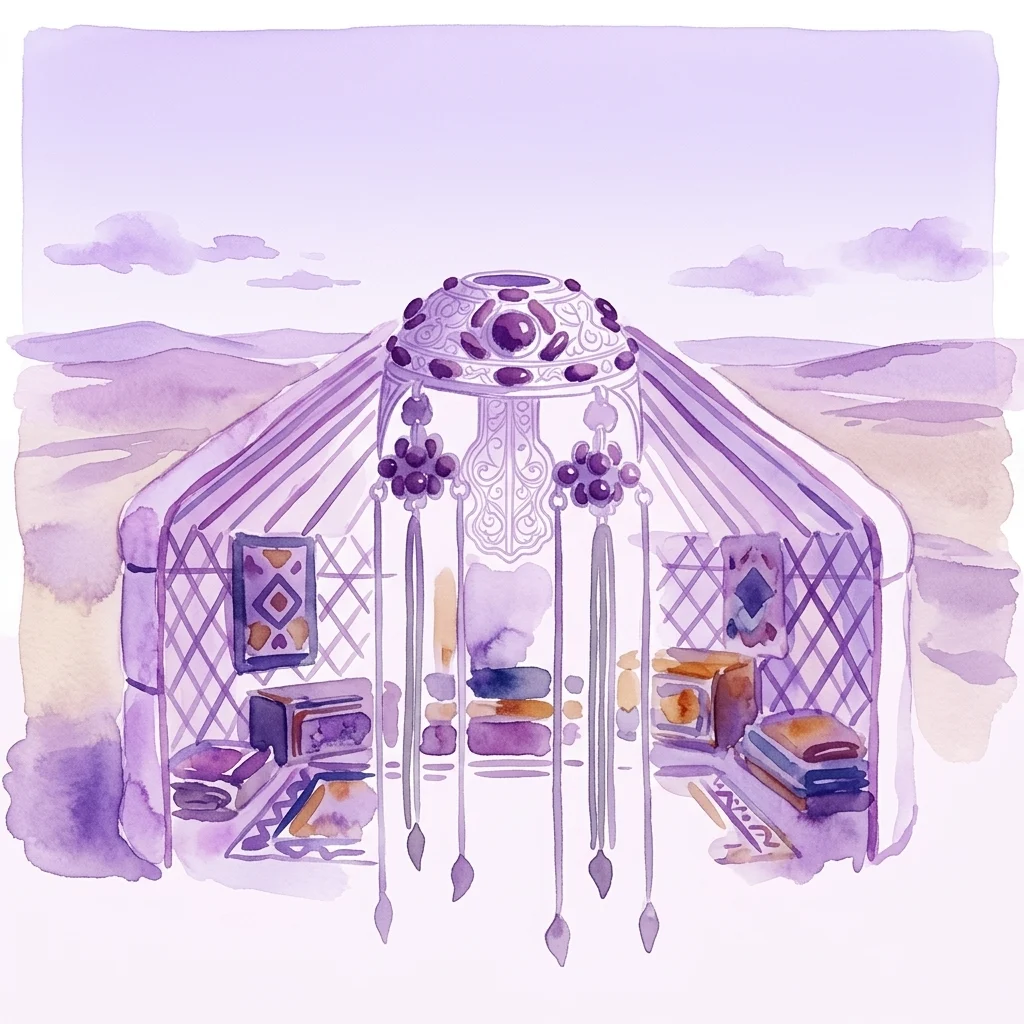
This exhibition delves into the rich culture of Central Asia, shaped by nomadic communities and diverse historical influences from Persian, Hellenistic, Chinese, Arab, and Russian cultures, as well as various religions. Visitors can explore a stunning array of textiles, including nomadic crafts, Turkmen carpets, and Kazakh and Kyrgyz feltwork, alongside examples of traditional clothing.
The second stage of a permanent exhibition, 'Visit Central Asia' (Odwiedź Azję Centralną), focuses on the cultural tapestry of Central Asia, a region profoundly shaped by its indigenous nomadic communities and the significant influences of Persian, Hellenistic, Chinese, Arab, and Russian empires. This crossroads of cultures also saw the confluence of various religions, including local shamanism, Buddhism, Zoroastrianism, and Sunni Islam.
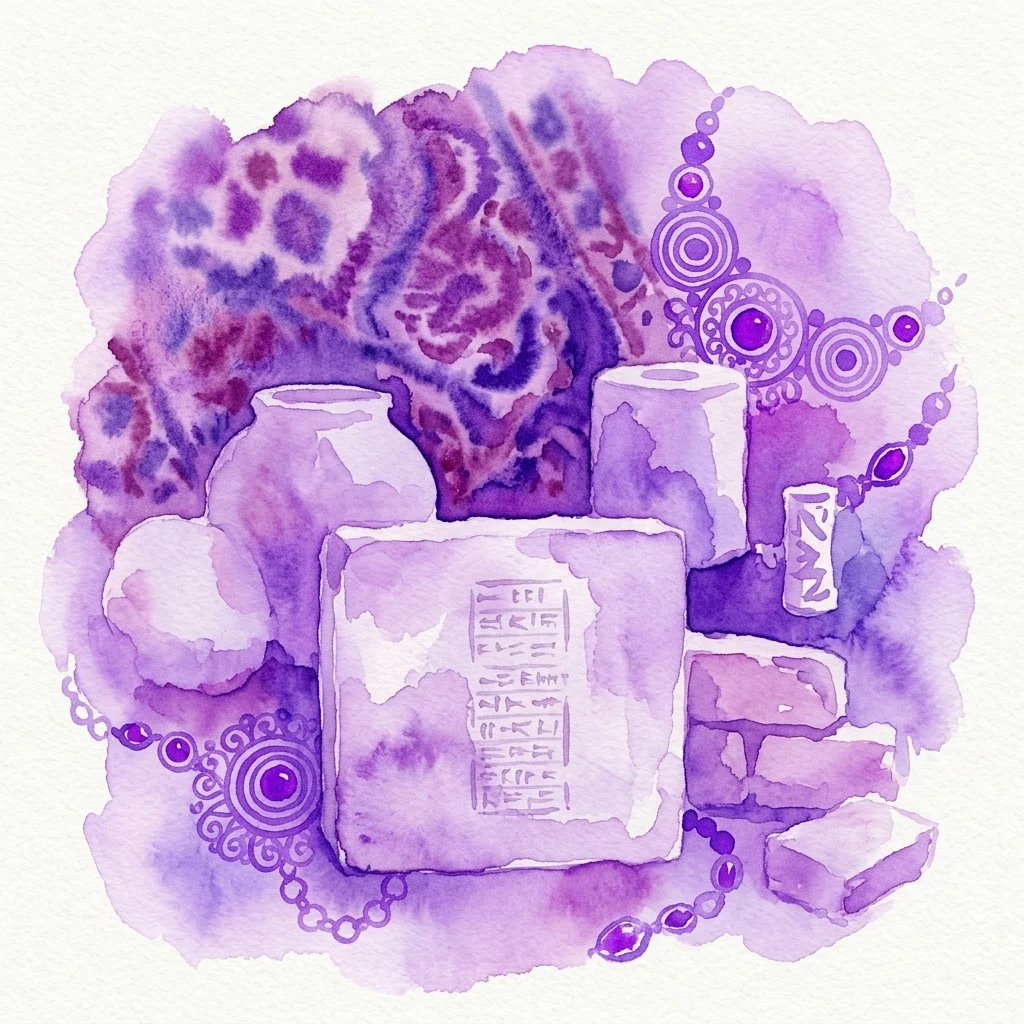
The objects displayed are characterized by their rich colors and intricate ornamentation. Visitors can admire the craftsmanship of nomadic peoples from Turkmenistan, including examples of textile art, embroidery, and carpets, as well as felt products from Kazakhstan, Kyrgyzstan, and Turkmenistan known for their graphic patterns and contrasting colors. The exhibition also presents diverse examples of traditional clothing from Kazakhstan, Kyrgyzstan, Turkmenistan, and Afghanistan, such as the richly decorated _jumlo_ dress, and the elaborate attire of Uzbek people, complete with a collection of low caps known as _tyubeteyki_.
Particularly striking are the embroidered textiles known as _suzani_, which represent an important shared cultural heritage of Uzbek and Tajik peoples. Their vibrant colors and rich floral patterns create a stunning visual experience, contrasting with the bright or purple backgrounds of garments like the _ikat_ coat. Under arches characteristic of a Central Asian bazaar, a wide selection of polychrome and glazed ceramic vessels is displayed, reflecting ancient artisanal traditions still practiced in Uzbekistan and Tajikistan. The exhibition also features brass and bronze items, such as the _oftoba_ pitcher used for ritual cleansing before prayer, and exquisite glassware from Herat in various shades of blue, turquoise, and green.