This exhibition explores the profound changes Warsaw underwent during World War I, leading to its regaining capital status. It showcases the city's transformation from a Russian provincial town to the capital of an independent Poland, highlighting the significant social and political shifts of the period.
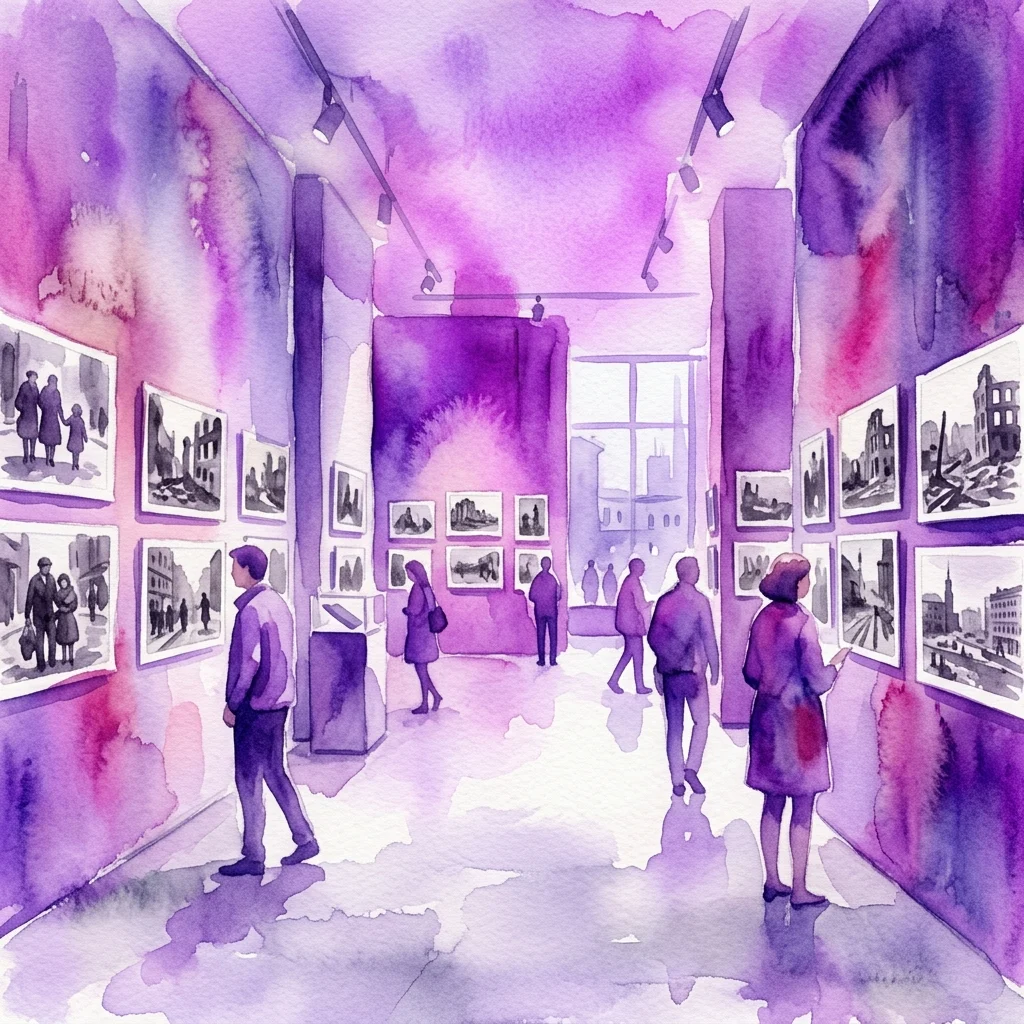
The years of World War I brought about crucial changes for Warsaw, which culminated in the regaining of its capital status. More than just wartime events, political, administrative, and social transformations fundamentally reshaped life in the city. At the beginning of the war, Warsaw was a provincial capital of the vast Russian Empire; by its end, it became the capital of a newly independent Polish state. This achievement was driven by the immense civic engagement of its residents from diverse backgrounds, with varied political views and visions for the country's future. By 1918, Warsaw had prepared administrative structures, employed tens of thousands of trained officials, and expanded its territory. The exhibition "Odzyskana stołeczność. Warszawa 1915–1918" presents exhibits from the Museum of Warsaw's own collections, augmented by objects loaned from other Warsaw museums. Visitors can view a large selection of photographs by Stanisław Nofok-Sowiński and Henryk Poddębski, a collection of images by German photographers from the Geographical Commission, and plans of the changing city, along with works by Warsaw artists such as Józef Rapacki and Feliks Jabłczyński, and patriotic accessories linked to the activities of numerous social associations and organizations.