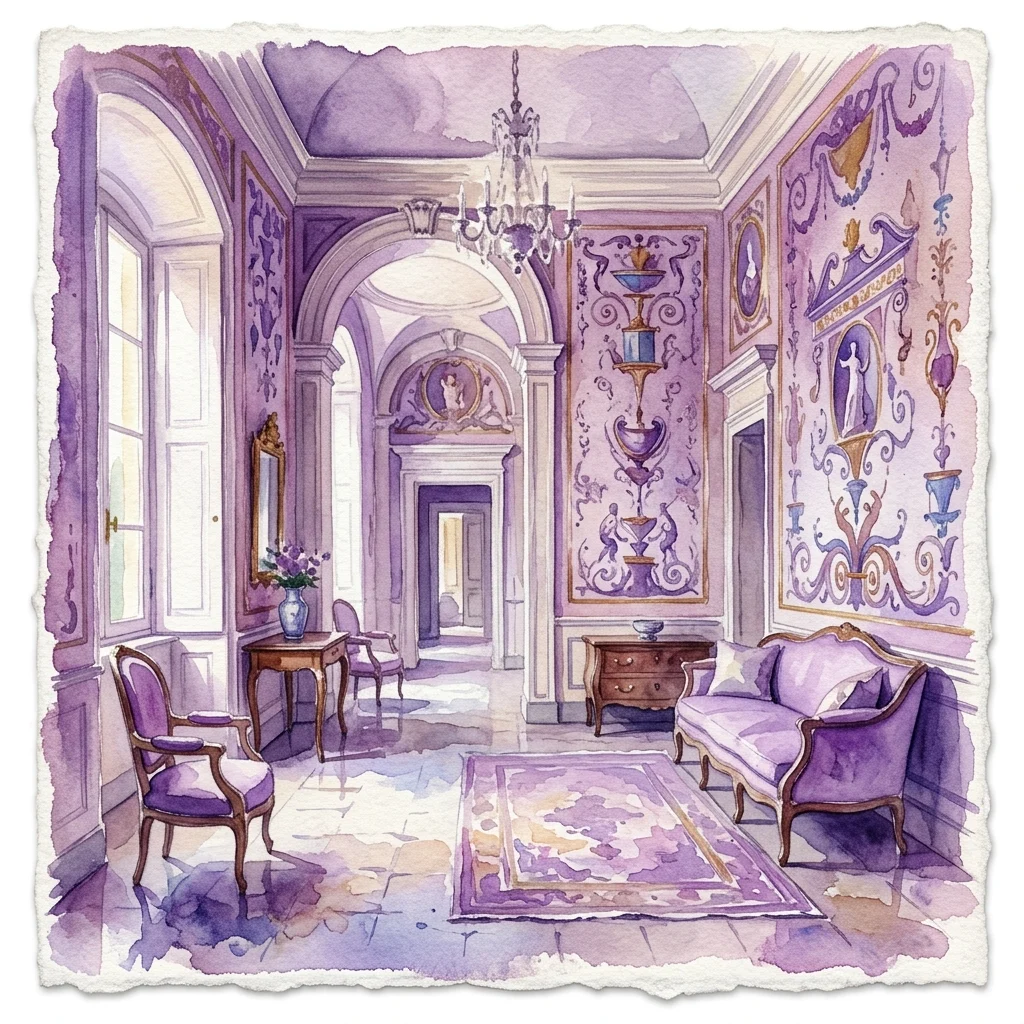
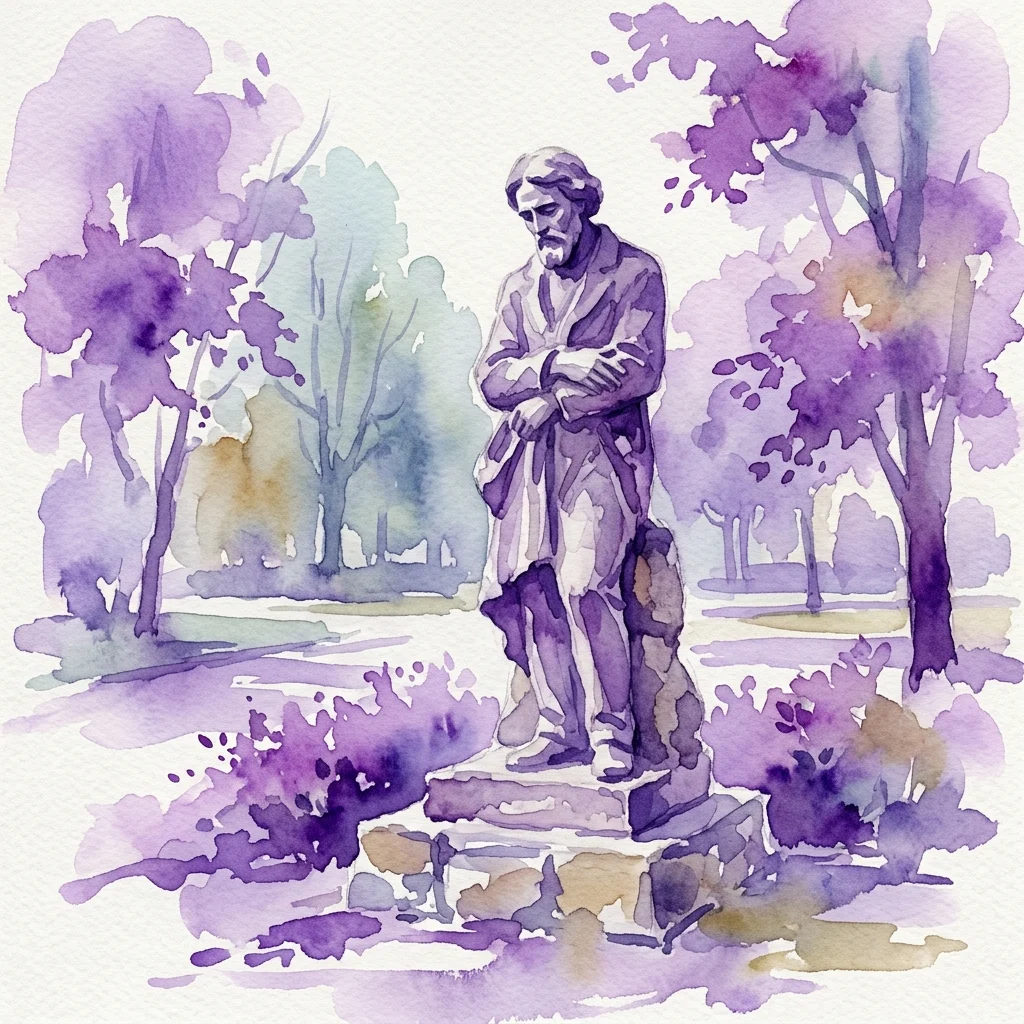
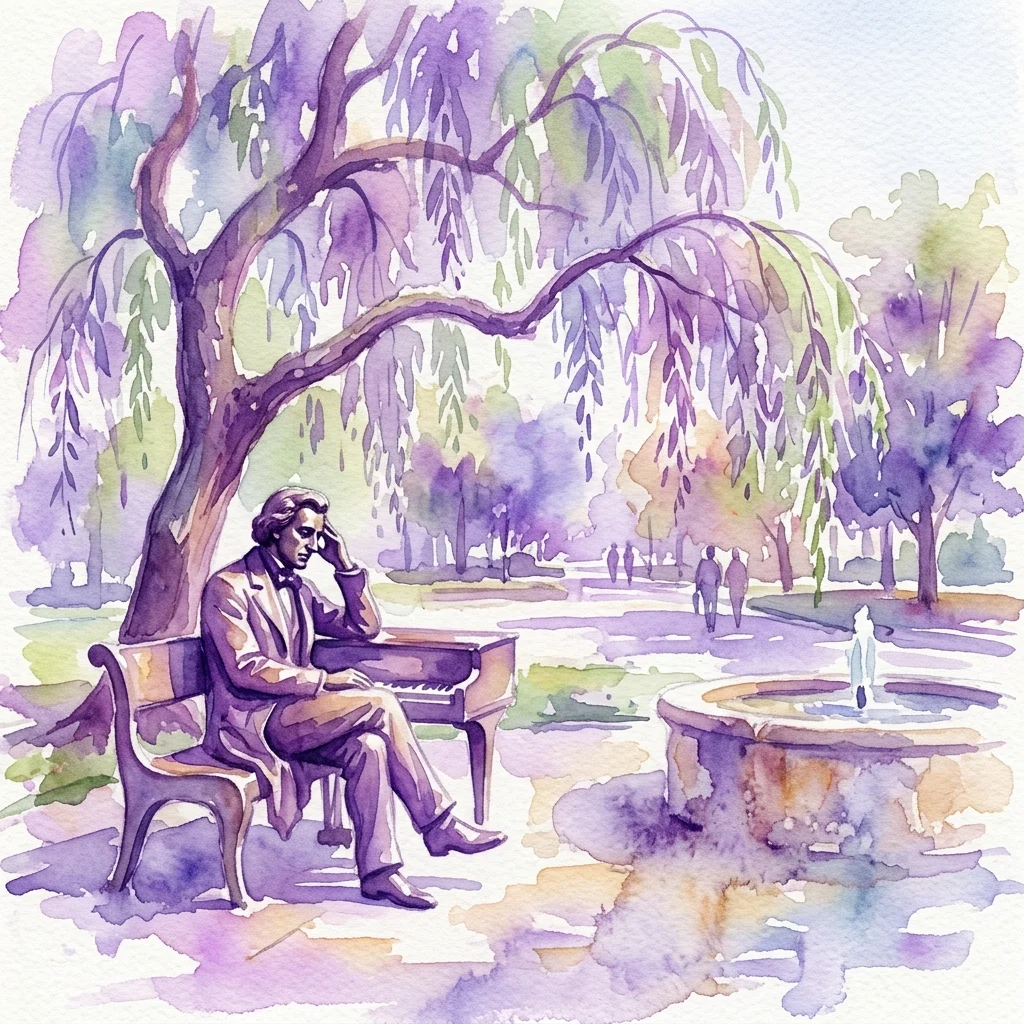
The 18th-century Royal Garden is the oldest part of the Łazienki gardens, tracing its origins to the late 17th century. It was significantly shaped during the reign of King Stanisław August, evolving from a regular French-style garden to incorporate elements of the English landscape style, featuring manicured hedges, classical sculptures, and a dynamic water system.
The 18th-century Royal Garden represents the oldest section of the expansive Łazienki gardens, with its history beginning in the late 17th century on the site of a former game reserve. Originally established as a small, regular Italian-style garden near the Łaźnia (Bathhouse) pavilion, it underwent significant transformations. During the reign of King Stanisław August, the garden was maintained in a regular style with bosquets, which, while not preserved to this day, contributed to the current layout of radiating paths and clipped hedges around a central square featuring a sculpture. The northern part of the garden, once irregular and wooded, extended towards the Piaseczyński Canal. This area, adjacent to the Hermitage pavilion, originally housed an Anglo-Chinese garden, but later saw modern garden compositions develop around it. The garden's evolution was influenced by figures like August Fryderyk Moszyński, a proponent of the English garden style, leading to a freer, more naturalistic composition that began to overshadow the French regularity.
The garden's transformation paralleled the construction of various Łazienki structures. The area near the White House was enhanced with a small garden featuring a sundial and Chinese-style bridges. A more formal driveway, the Royal Promenade, was created connecting the Palace on the Island to the White House. Later, the trend for oriental accents led to the renaming of the Wilanów Road to the Chinese Road and the construction of a Chinese Gate. The garden's water system was also significantly altered, with the original pond near the Łaźnia evolving into a regular pond reaching towards Agrykola Street. A monument to King Jan III Sobieski was erected on a bridge, and another pond with an island and amphitheater was created south of the palace. These water features, bordered by aquatic plants and young trees, formed a key axis of the royal design, offering panoramic views towards Mokotów and Wilanów. The garden's decoration was enriched by Stanisław August's collection of sculptures, many of which remain today, displayed in the open air as a "modern open-air museum" near the Palace on the Island and other key areas. The Royal Garden thus became a successful fusion of the French garden's formal elements with the emerging English landscape style, characterized by curved paths, expansive lawns, distant views, and carefully placed trees, embodying the guiding principle of imitating nature while integrating classical and contemporary aesthetics.