Warsaw
Open now

Discover Głaz Jastrzębowskiego: The 1828 Sundial in Warsaw's Royal Łazienki Park

Learn about Wojciech Jastrzębowski's ingenious gnomograph and this ancient glacial erratic boulder's scientific purpose.

The Głaz Jastrzębowskiego is a fascinating scientific instrument and historical artifact located within the beautiful Royal Łazienki Park in Warsaw. Created by Wojciech Jastrzębowski in 1828, this unique sundial is meticulously carved into a massive glacial erratic boulder. It not only tells time but also reflects the astronomical interests of the 19th century and the ingenuity of its creator, a renowned naturalist and educator. Visitors can explore its detailed markings and learn about its historical significance near the Old Orangery.

About Głaz Jastrzębowskiego at Royal Łazienki Museum in Warsaw

Read curatorial context and practical visitor information for Głaz Jastrzębowskiego at Royal Łazienki Museum in Warsaw

Exhibition summary

This page details the 'Głaz Jastrzębowskiego' (Jastrzębowski Boulder), a unique sundial created by Wojciech Jastrzębowski in 1828. Located on a slope above the Old Orangery, it is carved into a massive glacial erratic boulder, likely the oldest protected erratic boulder in Warsaw.

Curatorial context

The 'Głaz Jastrzębowskiego' is a significant sundial located on the slope above the Old Orangery in Royal Łazienki Park. The sundial itself was created by Wojciech Jastrzębowski (1799-1882), a professor at the Institute of Agronomy and Forestry in Marymont. In 1828, he meticulously carved hourly lines and lines for mean solar time onto the surface of a large glacial erratic boulder. This monumental boulder, brought by the ice sheet, was found during the establishment of the Botanical Garden and is considered likely the oldest protected glacial erratic boulder in Warsaw. Jastrzębowski utilized a special instrument he invented, known as a gnomograph or 'Polish compass,' to precisely mark the timekeeping lines and install an iron gnomon pointing towards the celestial axis. The sundial was intended not only to indicate time but also to assist in determining the positions of celestial bodies, aligning with its proximity to the Astronomical Observatory established in 1825. Wojciech Jastrzębowski was a naturalist and educator, with interests spanning botany, zoology, physics, and horticulture. His contribution to horology and geology makes this sundial a focal point of scientific and historical interest within the park.

Głaz Jastrzębowskiego key exhibition facts

Review exhibition status, schedule, venue context, and attribution details for Głaz Jastrzębowskiego at Royal Łazienki Museum in Warsaw

Venue
Royal Łazienki Museum
Current status
Open now
Exhibition schedule
Information not currently available
Artist line / attribution
The sundial was created by Wojciech Jastrzębowski (1799-1882), a professor, naturalist, and educator.
More from Royal Łazienki Museum
Explore additional exhibitions from the same institution
Review other exhibitions from Royal Łazienki Museum in Warsaw to compare themes, timelines, and program direction while planning your museum visit.
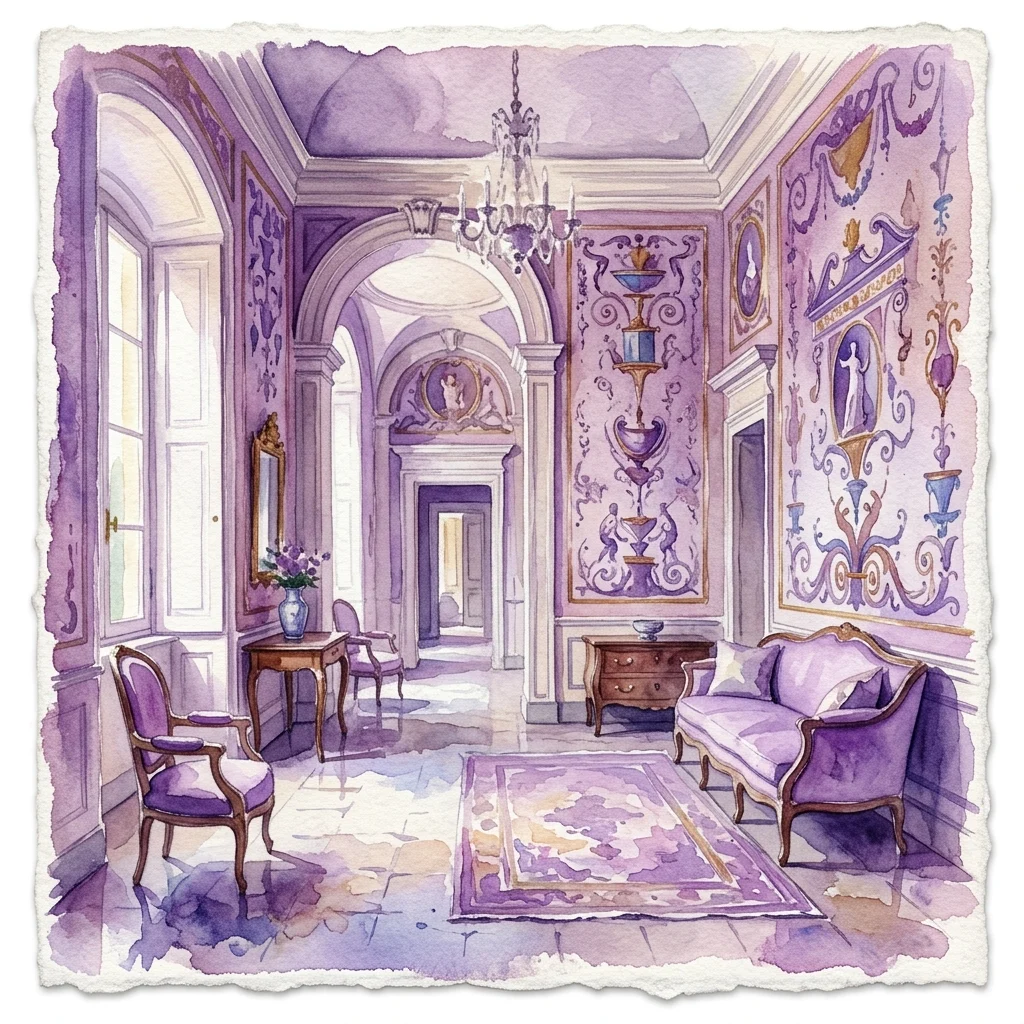
Watercolor illustration of a neoclassical interior in The White House villa at Royal Łazienki Museum, featuring purple grotesque wall paintings, period furniture, and a chandelier.
Permanent exhibition

The White House at the Royal Łazienki Museum

A historic royal villa featuring eighteenth-century interiors and art.

Explore a summer residence built for King Stanisław August, notable for its intricate grotesque ornamentation and restored period spaces. The site highlights eighteenth-century architecture alongside the Royal Collection of Graphics.

The White House
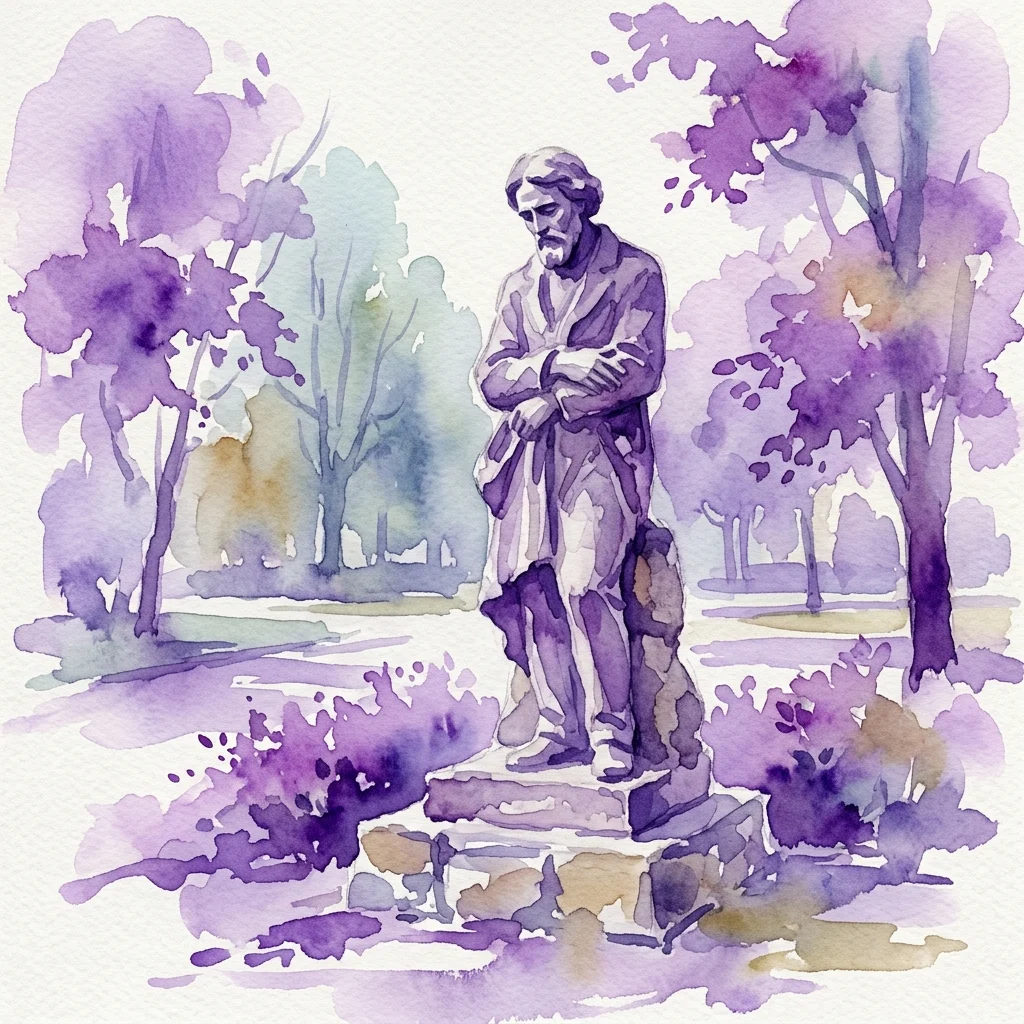
The Monument to Cyprian Kamil Norwid in Warsaw: Honoring a Polish Literary Figure
Permanent exhibition

The Monument to Cyprian Kamil Norwid in Warsaw: Honoring a Polish Literary Figure

Explore Julia Keilowa's iconic sculpture of the esteemed poet.

Discover Warsaw's first monument dedicated to Cyprian Kamil Norwid, the influential Polish poet. This stone replica of Julia Keilowa's sculpture captures Norwid's thoughtful essence, reflecting his enduring cultural impact. Explore its artistic details and historical context.

Norwid Monument
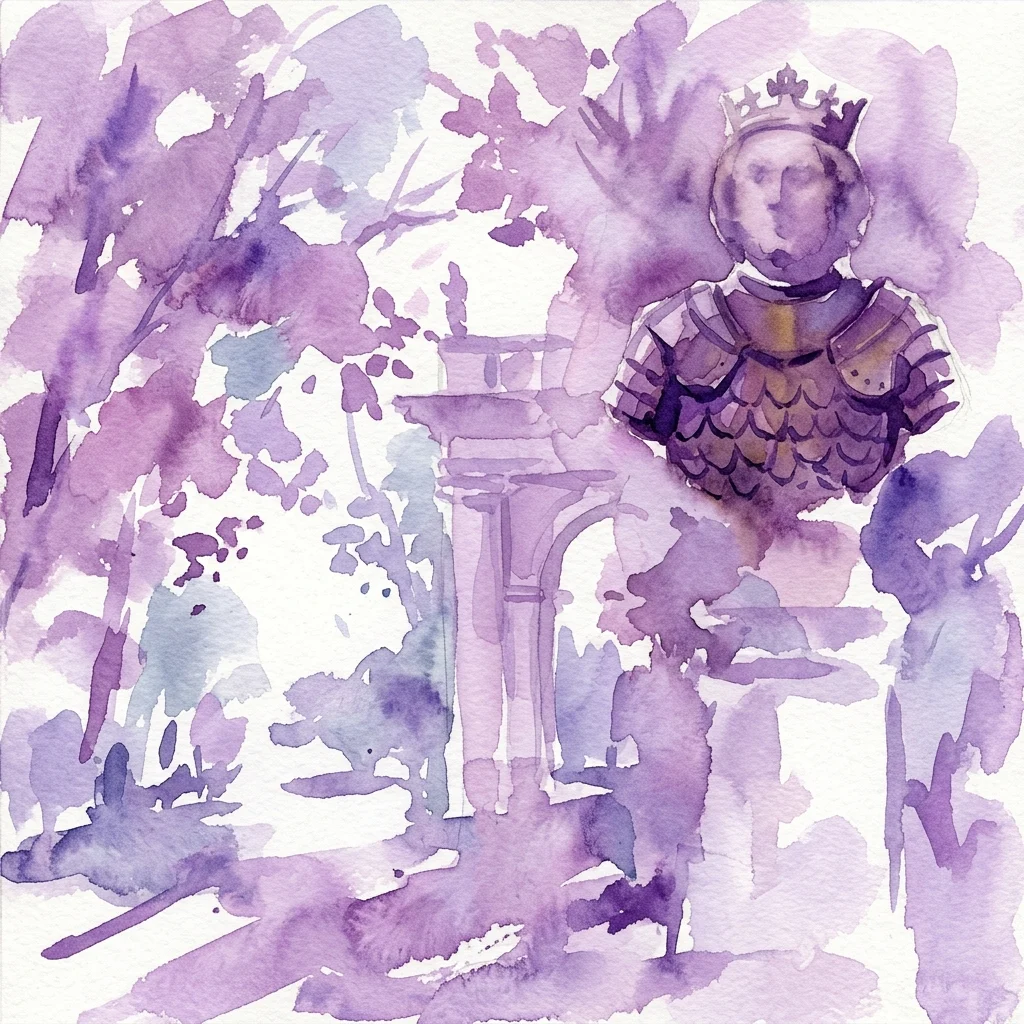
Monument of Stanisław August: Permanent Royal Sculpture at Royal Łazienki Museum
Permanent exhibition

Monument of Stanisław August: Permanent Royal Sculpture at Royal Łazienki Museum

Discover 18th-century Polish art and royal symbolism through this bronze bust.

This enduring monument features André Le Brun's 1784 bronze bust of King Stanisław August, masterfully cast by Edward Śluzek. Located in Royal Łazienki Park, it permanently displays the king in armor, symbolizing his role as a protector of his nation. Explore this significant piece of Polish art and royal history.

View Monument
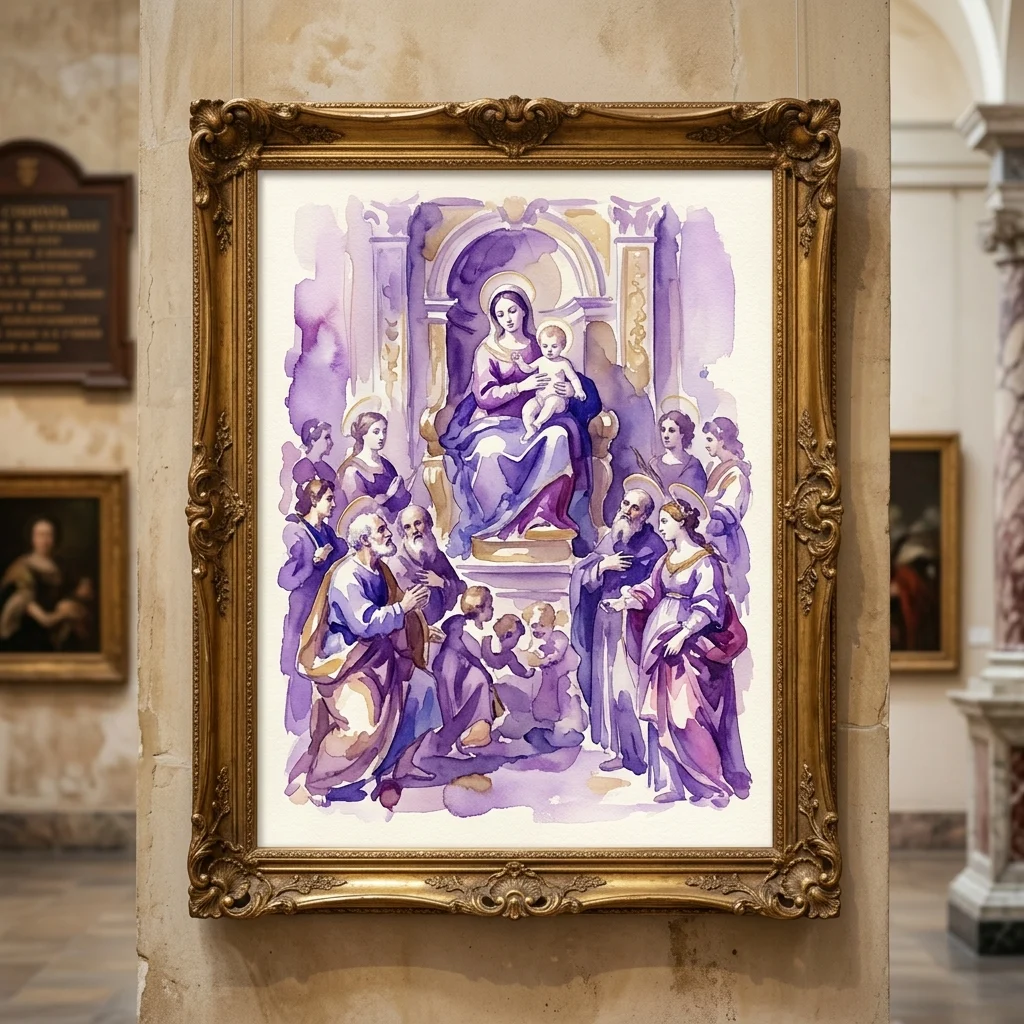
Madonna Enthroned with Child by Carracci at Royal Łazienki Museum
Permanent exhibition

Madonna Enthroned with Child by Carracci at Royal Łazienki Museum

A 17th-century Italian Baroque oil painting on copper.

This Baroque masterpiece by Ludovico Carracci depicts the Madonna and Child surrounded by various saints. Acquired by King Stanisław August Poniatowski in 1781, it is a significant part of the Royal Łazienki Museum's collection.

View Exhibition
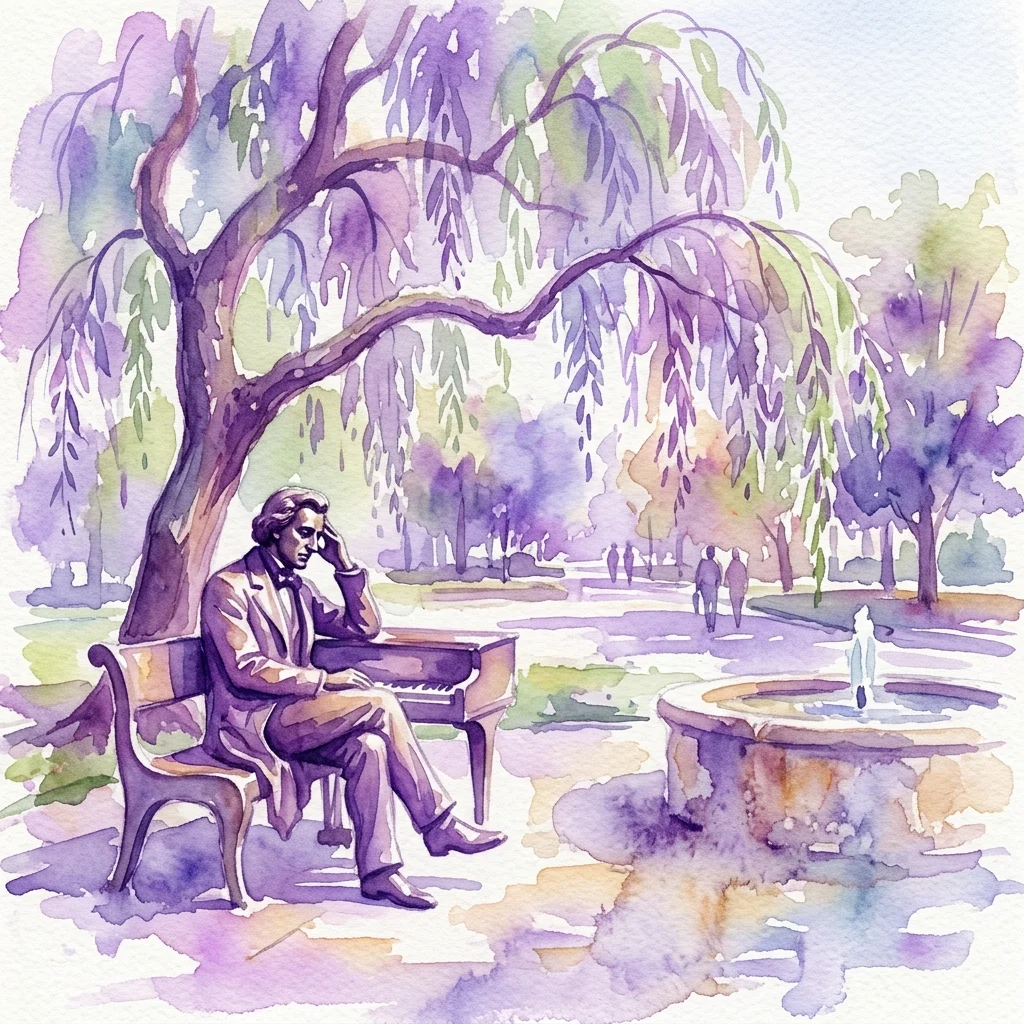
Fryderyk Chopin Monument: Iconic Bronze Sculpture in Warsaw's Royal Łazienki Park
Permanent exhibition

Fryderyk Chopin Monument: Iconic Bronze Sculpture in Warsaw's Royal Łazienki Park

Wacław Szymanowski's masterpiece depicting a composer's inspiration.

This enduring monument in Warsaw's Royal Łazienki Park symbolizes Polish cultural resilience. Experience the powerful depiction of Fryderyk Chopin, a musician finding inspiration under a beautiful weeping willow tree. Reconstructed in 1958, it remains a globally recognized public artwork.

Chopin Monument
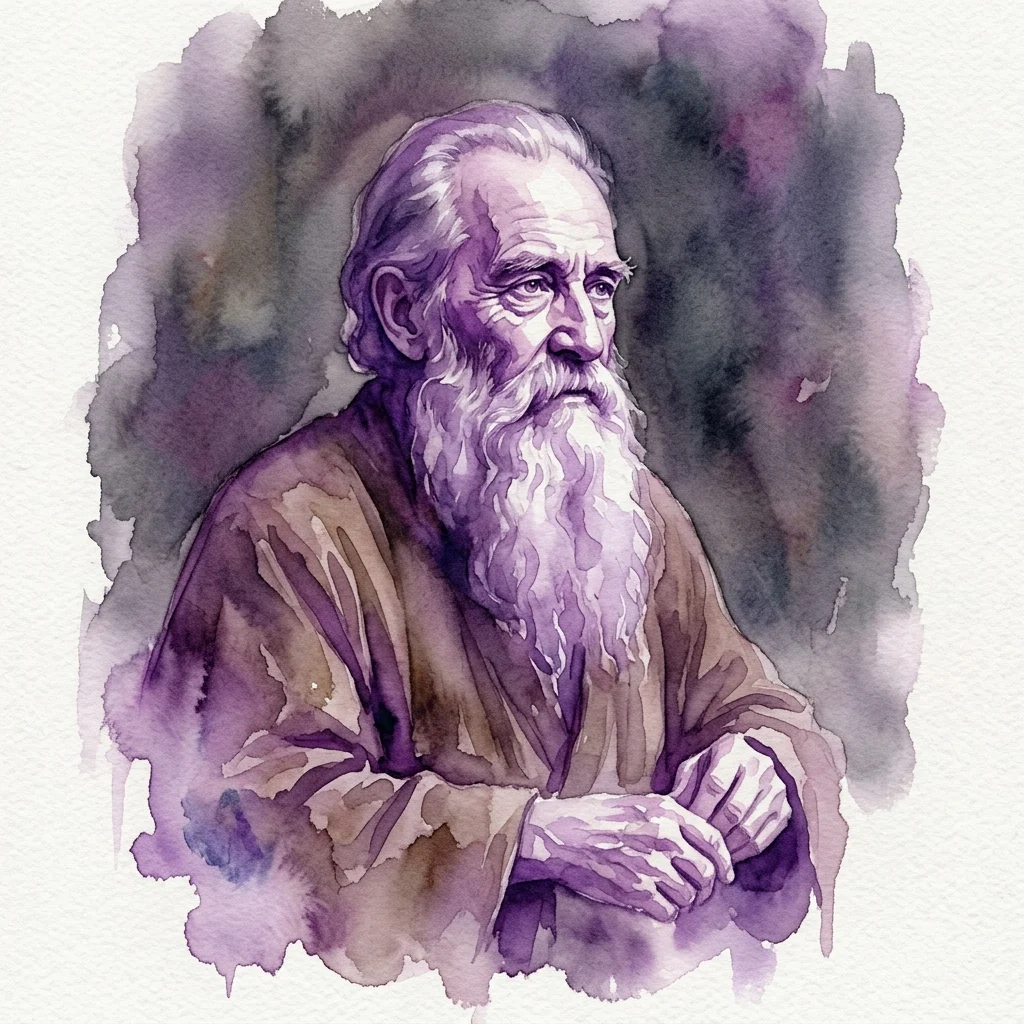
Discover Marcello Bacciarelli's "Old Man in a Brown Robe" at Royal Łazienki Museum
Permanent exhibition

Discover Marcello Bacciarelli's "Old Man in a Brown Robe" at Royal Łazienki Museum

An 18th-century oil painting and compelling character study.

This captivating oil on canvas artwork, created before 1783, is a notable piece within the museum's permanent collection. It portrays a character type, possibly serving as a study for a grander historical work or a portrait of a prominent individual.

Artwork Details
Warsaw

Discover What's On: Find Current Exhibitions Across Warsaw's Cultural Scene

Explore diverse art, historical displays, and cultural shows in the capital.

Seamlessly browse through an array of captivating exhibitions throughout Warsaw. Easily pinpoint your next cultural adventure, from major art installations to insightful historical presentations. Find new and inspiring displays to enrich your visit.