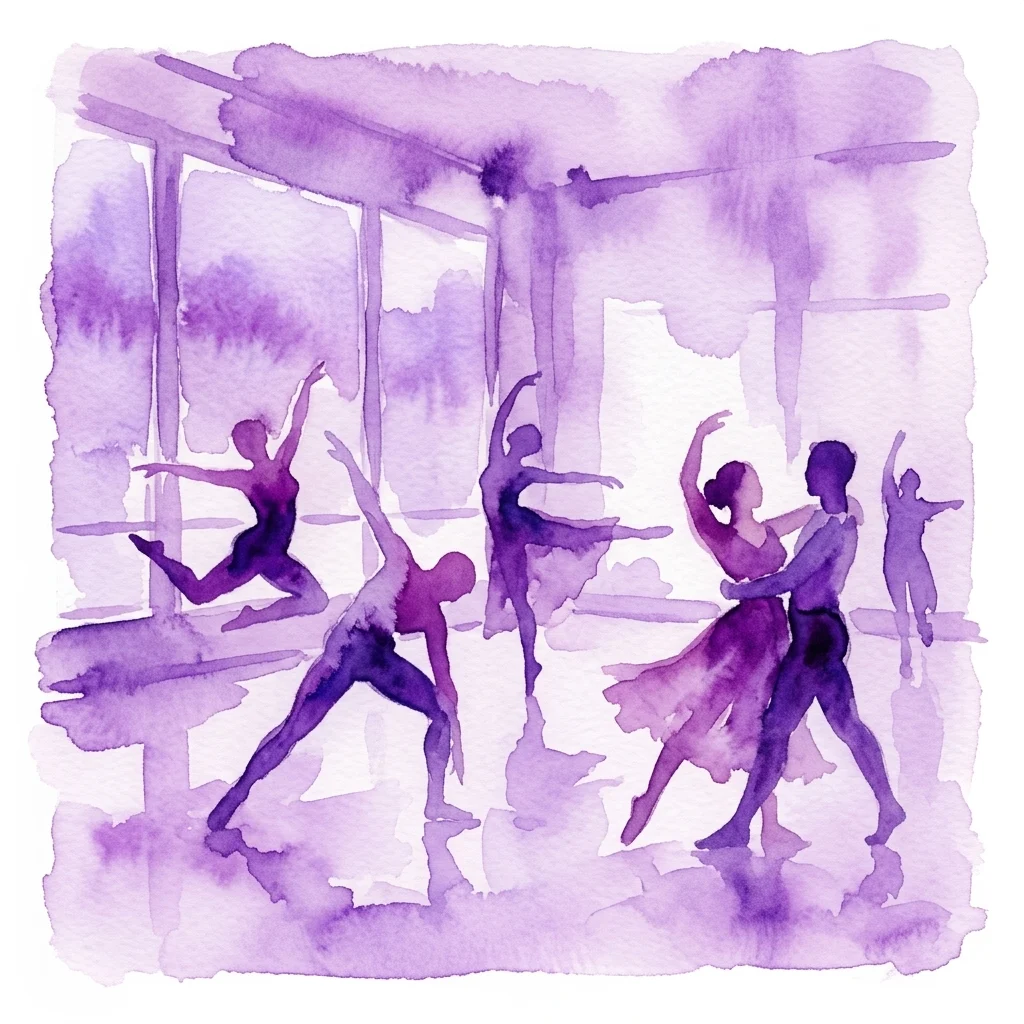
Mari Paula's 'Lake Machine' reinterprets classic female characters from ballet and theatre, such as Odette, Odile, and Ophelia, to challenge their traditional victim roles. The performance offers a contemporary and visceral response to historical classist, white, and patriarchal narratives, while also serving as a deeply autobiographical exploration of personal grief transformed into a liberating choreography.
In 'Lake Machine,' choreographer Mari Paula critically re-examines the classical roles traditionally assigned to women, specifically drawing from 'Swan Lake' and 'Hamlet.' She reimagines the characters of Odette, Odile, and Ophelia, liberating them from their prescribed roles as victims, madwomen, or martyrs within narratives shaped by historical patriarchy. The piece stands as a contemporary and visceral counterpoint to centuries of classist, white, and patriarchal logic embedded in these works.
Beyond re-writing character destinies, 'Lake Machine' is profoundly autobiographical, confronting the choreographer's experience of losing three daughters. This intimate pain is transmuted into a choreographic act of liberation, where madness is not a punishment, love is not sacrifice, and death is not mere drama. The fluidity of gender is explored as a territory for reclamation. The music of Tchaikovsky and José Venditti intertwines with the performance, creating spaces where the female body and its myriad identities not only exist but demand presence and recognition. 'Lake Machine' functions as a vital, organic entity that dismantles structural power dynamics in performance, offering an emancipatory vision that resonates deeply with both performers and audiences.