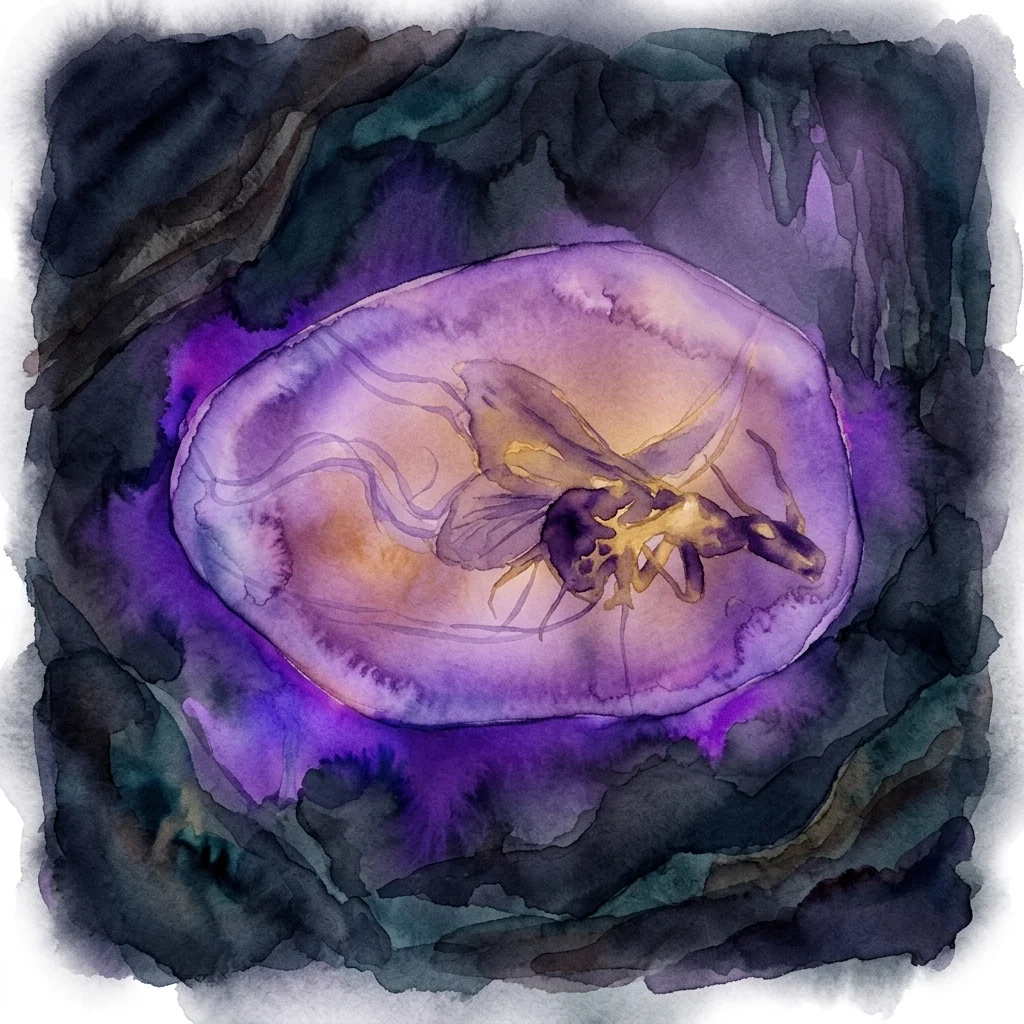
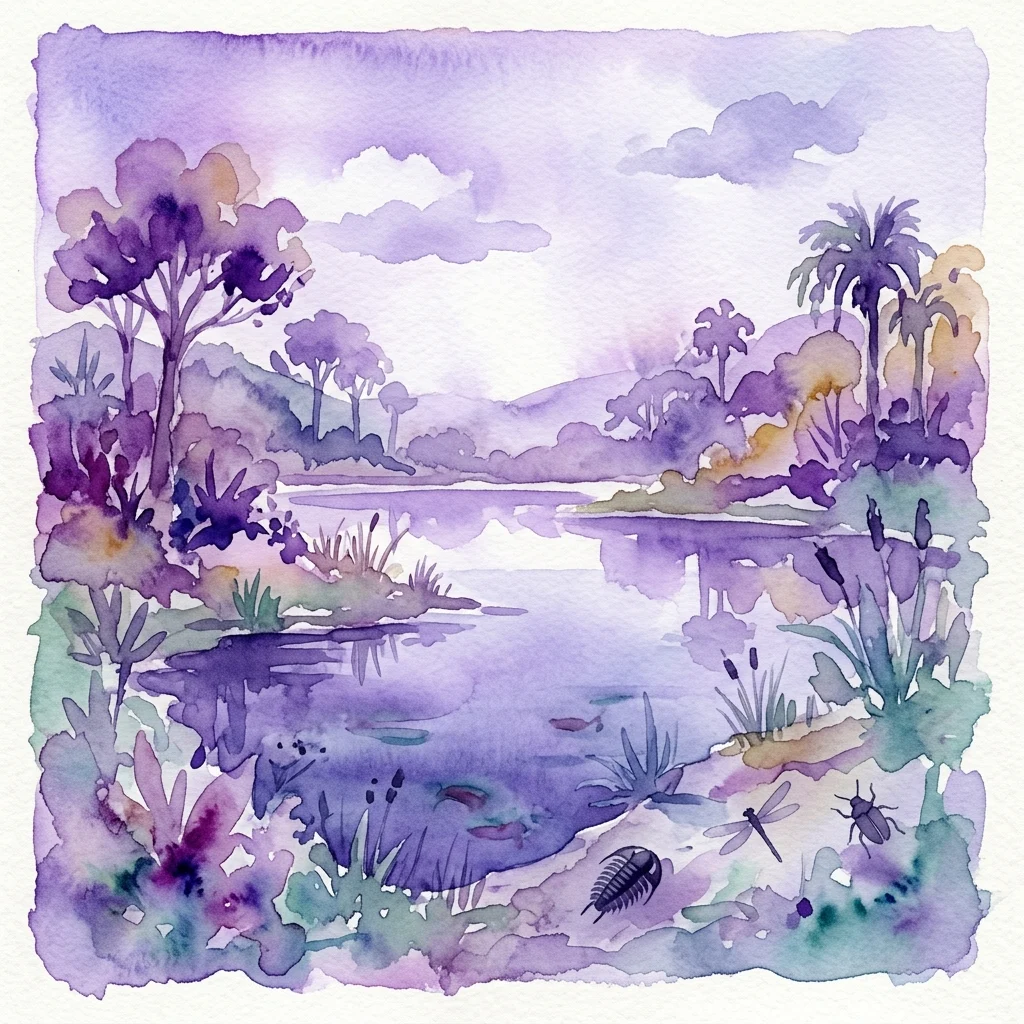
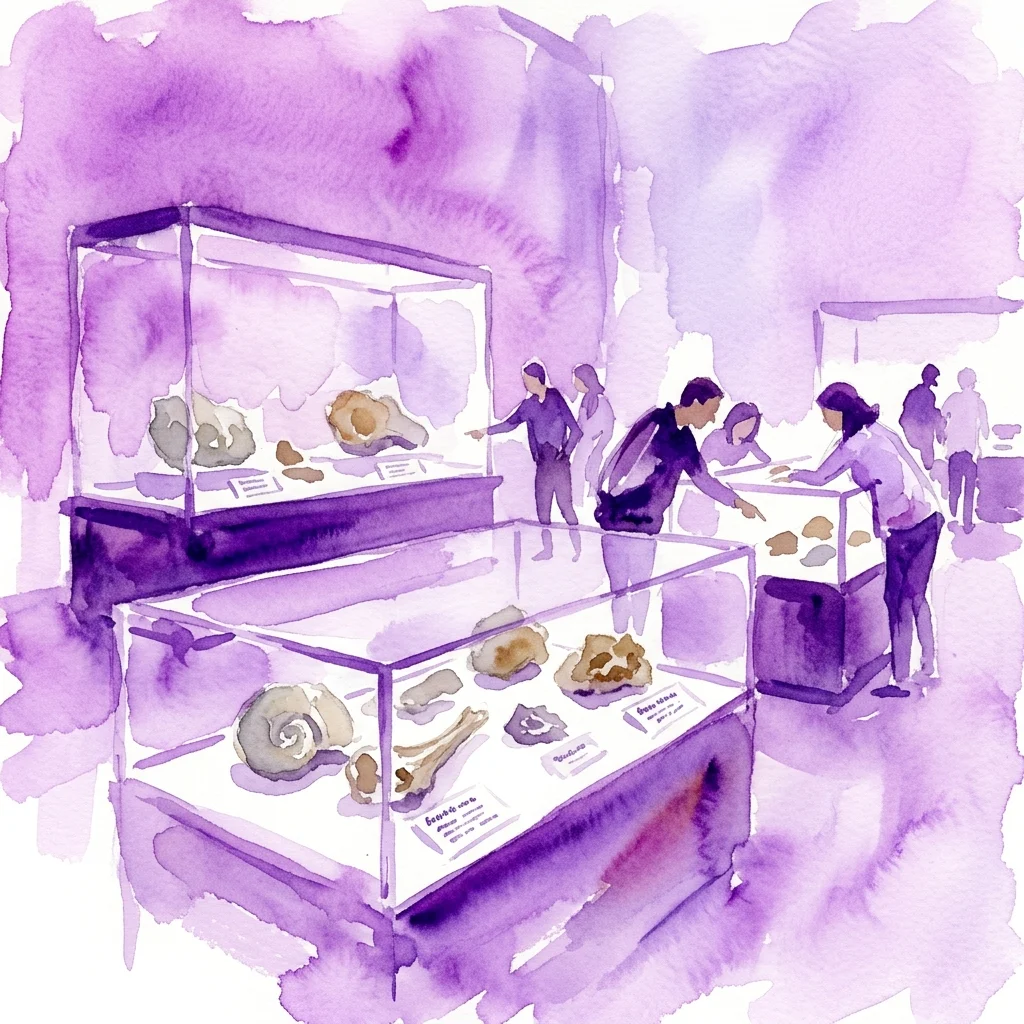
This exhibition explored the fascinating substance of amber, focusing on its presence in Iberia. It delved into the scientific understanding of amber as fossilized resin and contrasted it with ancient superstitions and magical beliefs attributed to its properties. The display showcased research findings, including newly described species and significant fossil discoveries.
The exhibition 'Amberia: El ámbar de Iberia' presented a comprehensive look at amber, moving beyond ancient superstitions that attributed magical and curative properties to this fossilized resin. Through rigorous scientific studies, the exhibition explained the rational origin, characteristics, age, and paleobiological content of amber, debunking pseudoscientific interpretations. The exhibition highlighted the discovery of amber in Spain over two hundred and fifty years ago, with significant findings from the Peñacerrada deposit in Álava providing immense scientific potential due to the quantity and quality of biological inclusions, particularly arthropods.
The research project AMBERIA, which formed the basis of this exhibition, continued previous work on fossil arthropod taxonomy and the search for new amber deposits in Cretaceous Spain. This multidisciplinary project integrated data from various specialists, resulting in the description of 150 new species and the discovery of internationally relevant sites like El Soplao in Cantabria and San Just in Aragón. The exhibition aimed to disseminate this research, conducted entirely with Spanish public funding, to increase social interest in science and return findings to society. It featured four panels detailing: 'El ámbar, una sustancia fascinante' (Amber, a fascinating substance), 'Bosques cretácicos en la antigua Iberia' (Cretaceous forests in ancient Iberia), 'Retratos en ámbar' (Portraits in amber), and 'Los resultados de la investigación' (The research results).