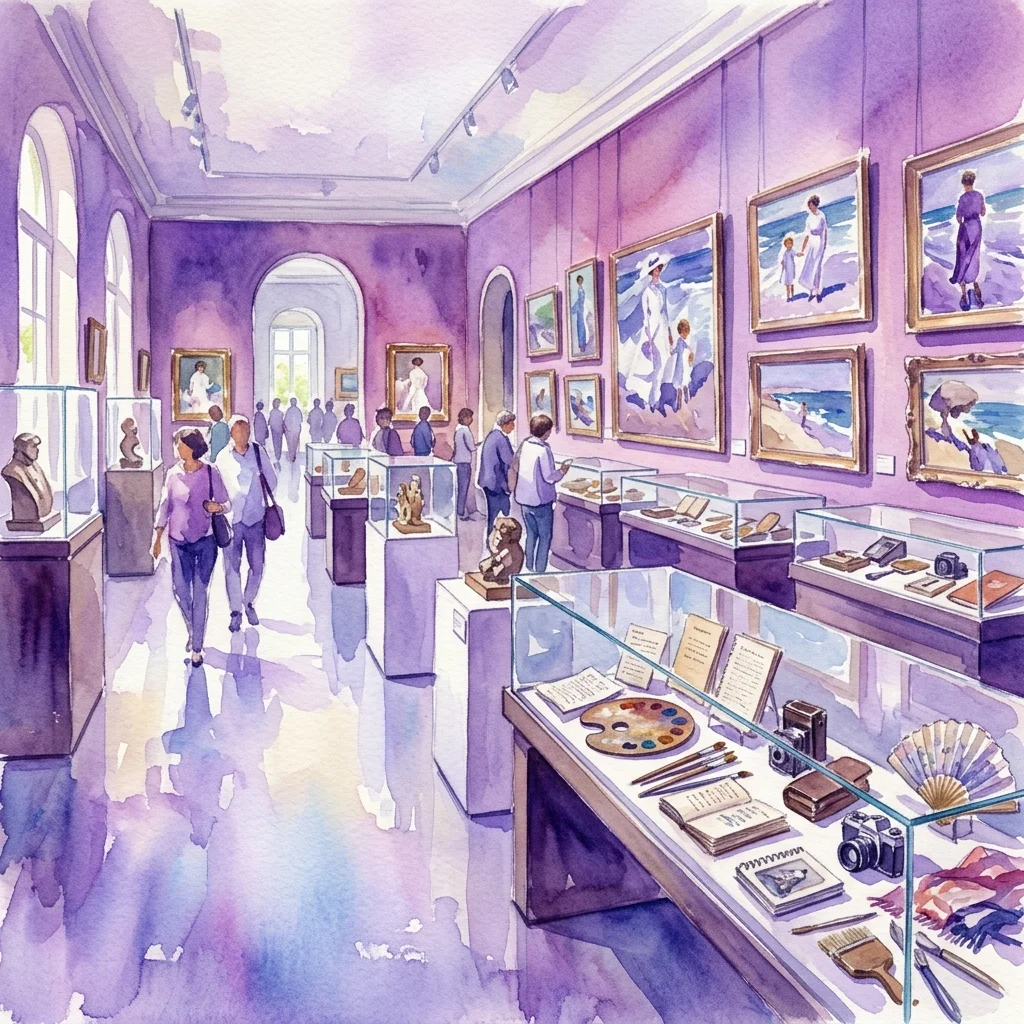
Exploring the Traditional 'Traje de vistas de La Alberca' Costume at Sorolla Museum
Uncover the cultural significance and intricate craftsmanship of this traditional Spanish costume, a focus of Joaquín Sorolla's art.
The Sorolla Museum presents the 'Traje de vistas de La Alberca,' a traditional costume from the Salamanca region. This captivating attire, dating from the mid-19th to early 20th century, showcases intricate textiles and extensive silver jewelry. Discover its historical importance and Joaquín Sorolla's artistic interest in this significant ethnographic piece, influencing his notable paintings.
About Traje de vistas de La Alberca at Sorolla Museum in Madrid
Read curatorial context and practical visitor information for Traje de vistas de La Alberca at Sorolla Museum in Madrid
Exhibition summary
This page details the 'Traje de vistas de La Alberca', a traditional costume from the Salamanca region dating from the mid-19th to early 20th century. It highlights Sorolla's interest in this attire, its cultural significance for local ceremonies, and the intricate details of its composition, including the elaborate silver jewelry.
Curatorial context
The Sorolla Museum preserves the 'Traje de vistas de La Alberca,' a traditional costume originating from the Salamanca region, believed to date from the mid-19th to early 20th century. This attire was worn by women in La Alberca for significant occasions, particularly for weddings, and is still used today for religious ceremonies and processions such as Corpus Christi and the Assumption.
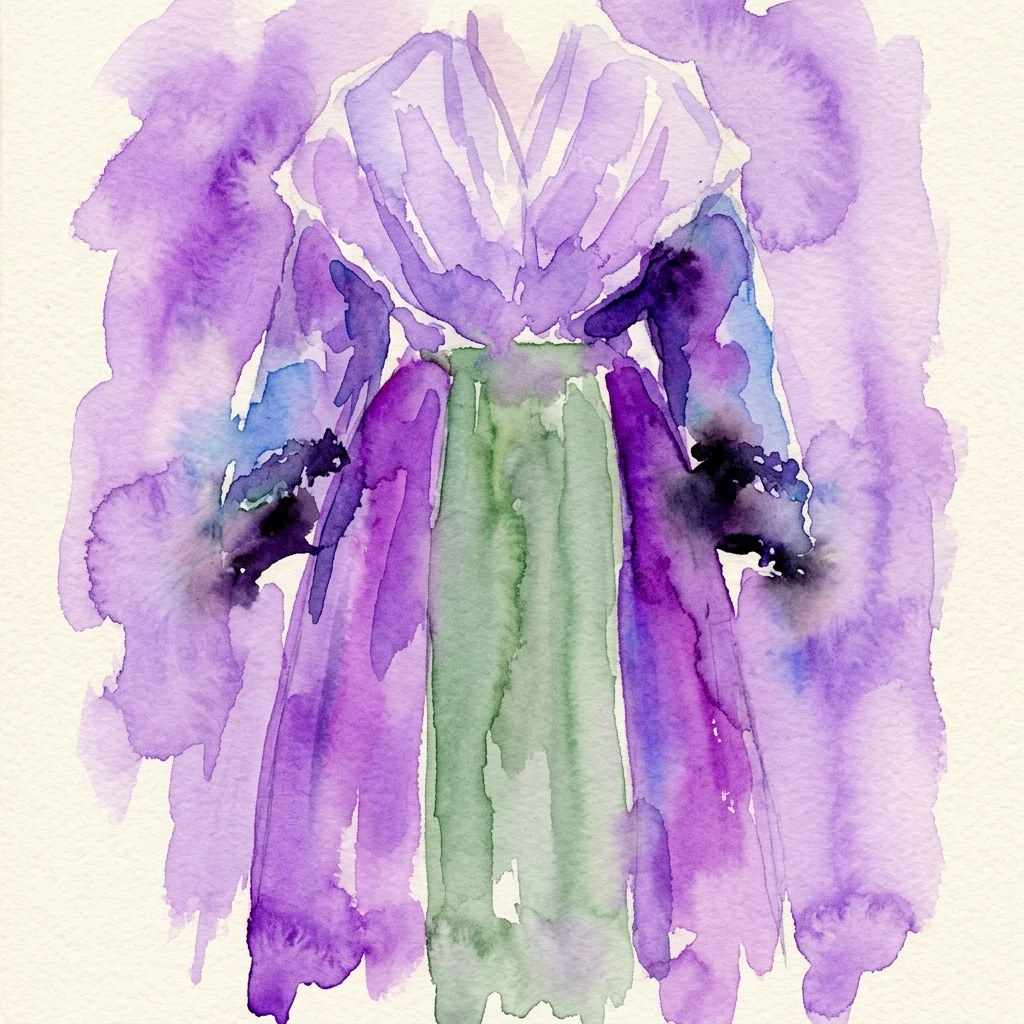
Joaquín Sorolla's artistic journey brought him to the Sierra de Francia in La Alberca to gather information on local clothing and traditions for his panel painting _Castilla. La fiesta del pan_ (1913). He sought to capture the beauty of the local costume, which he would later depict in his painting _Novios salamantinos_ (1912). Although Sorolla initially considered purchasing the suit in 1912, the asking price was prohibitive. He eventually acquired it two years later, motivated by a collector's interest rather than solely for artistic reference, recognizing its value as a significant ethnographic piece. The costume comprises a black jacket (jubón) adorned with silver buttons, and multiple layered skirts (sayas and manteos) that reveal colorful ribbons at the bottom. The topmost skirt is richly decorated with lace and velvet, contrasting with the plainer lower skirts. Over these layers, a dark-colored apron, or 'bernio,' featuring silver and salmon-colored ribbons and floral embroidery, adds volume and visual interest. The ensemble is completed with red stockings embroidered in various colors and black shoes with finely chiseled silver buckles. While the traditional headwear for the 'traje de vistas' was typically a white lace mantilla, Sorolla's preparatory drawings suggest he modified this, depicting a black wool mantilla adorned with ribbons, a style that became associated with the costume in his artwork and is reflected in museum representations.
A striking feature of the 'Traje de vistas de La Alberca' is the extensive jewelry worn by the women, which indicated their family's wealth. This jewelry includes large necklaces, such as the 'vuelta grande' or 'media vuelta,' composed of silver beads (bollágaras) and filigree cylinders (carretes or castillos), often pendant with religious medallions (patenas) and large crucifixes. Shoulder chains, or 'brazaleras,' were also worn, adorned with amulets for protection and good fortune, featuring religious items like medals and reliquaries, as well as secular charms such as an articulated trout, a bride's heart, or a coral fig. The museum also provides further information on the collection of jewelry associated with this costume in a linked PDF document.
Admission and ticket notes
This page details a collection item at the Sorolla Museum. For information regarding museum admission and visiting hours, please refer to the museum's official website or ticketing information section. This specific item does not have separate ticketing details, as it is part of the permanent collection display.
Traje de vistas de La Alberca key exhibition facts
Review exhibition status, schedule, venue context, and attribution details for Traje de vistas de La Alberca at Sorolla Museum in Madrid
Venue
Sorolla Museum
Current status
Open now
Exhibition schedule
Information not currently available
Artist line / attribution
The costume is linked to the artistic interest of Joaquín Sorolla, who depicted it in his paintings _Novios salamantinos_ (1912) and _Castilla. La fiesta del pan_ (1913).
Madrid
Find Exhibitions in Madrid: Explore Current Showcases and Cultural Events
Discover Madrid’s diverse art, history, and science cultural displays.
Navigate through Madrid’s vibrant exhibition scene to uncover artistic, historical, and scientific showcases. Pinpoint specific cultural experiences and plan your visits with ease. Explore an array of compelling displays across the city.