
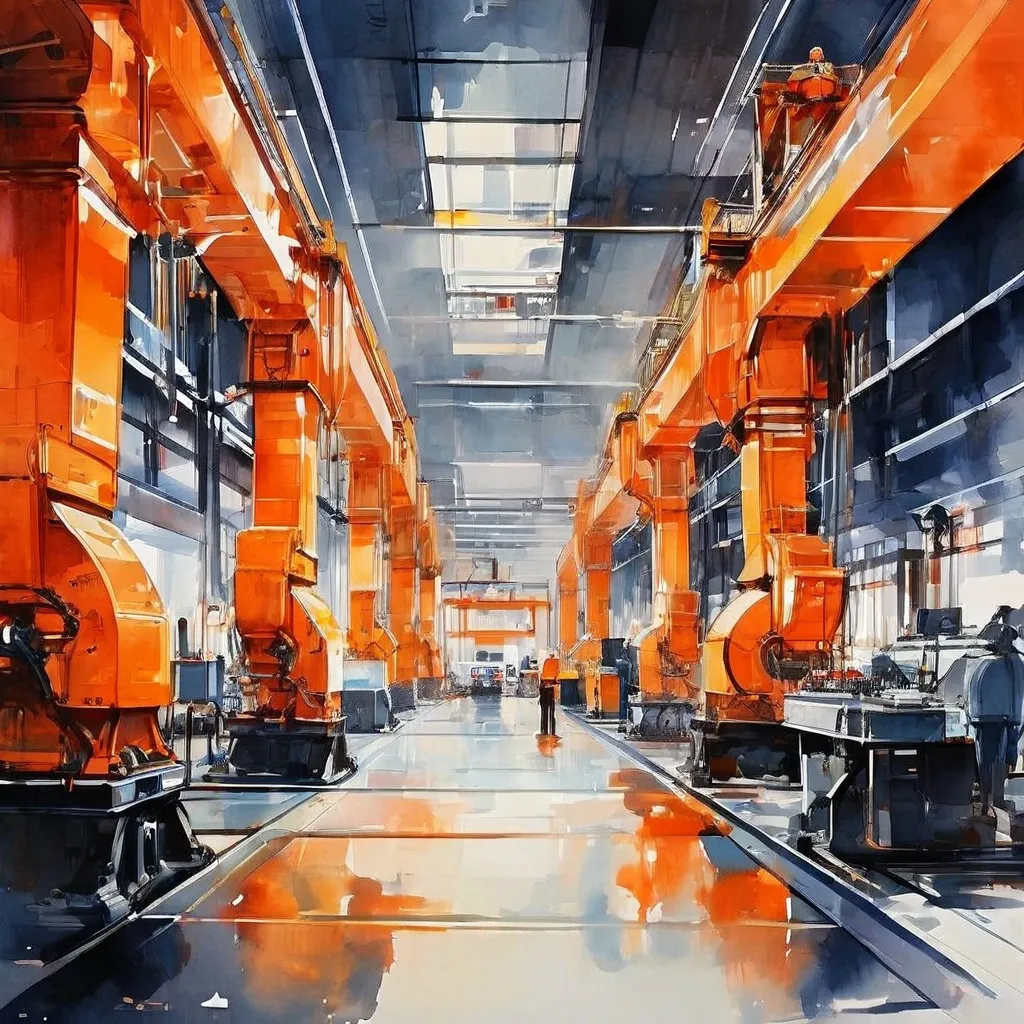
MINI Plant Oxford Celebrates 25 Years of Modern Production and British Automotive Heritage
Marking a quarter-century of automotive innovation and design, MINI is celebrating 25 years since the first modern vehicle rolled off the production line under the BMW Group. For visitors and automotive enthusiasts planning a trip to Oxford, this milestone highlights the enduring legacy of a British cultural icon and the working manufacturing hub that brings it to life every day.
A Quarter Century of Modern MINI Manufacturing
The modern era of the brand officially began on 26th April 2001, when the first new-generation vehicle was completed at Plant Oxford. Over the past 25 years, production has spanned four distinct model generations and numerous body styles, including the classic 3-door, 5-door, Convertible, Clubman, and Roadster. Across this span, millions of vehicles have been built in Britain for drivers around the world.
The production story is anchored by two primary UK hubs: Plant Oxford, which serves as the historic home of manufacturing, and BMW Group Plant Swindon, where precision-engineered body panels are crafted. Together, these sites support a large workforce producing hundreds of vehicles daily, with a new car emerging from the Oxford lines every 78 seconds. Engine manufacturing is similarly tied to the UK network through BMW Group Plant Hams Hall.
Experiencing Automotive History at Plant Oxford
Beyond its role in global manufacturing, the site has become a popular destination for travelers interested in industrial heritage. In recent years, thousands of visitors have explored the location through its guided public tours, gaining a firsthand look at modern assembly processes and the deep-rooted history of car building in the region.
To mark its 25th anniversary, the organization has released a dedicated overview of the milestones, people, and production moments that shaped the brand. Further details can be explored through the official overview of 25 facts.
Visitors looking to learn more about industrial landmarks and local culture can find additional points of interest using Musemap (musemap.art), where you can browse local museums or explore the interactive map to plan your next visit.


