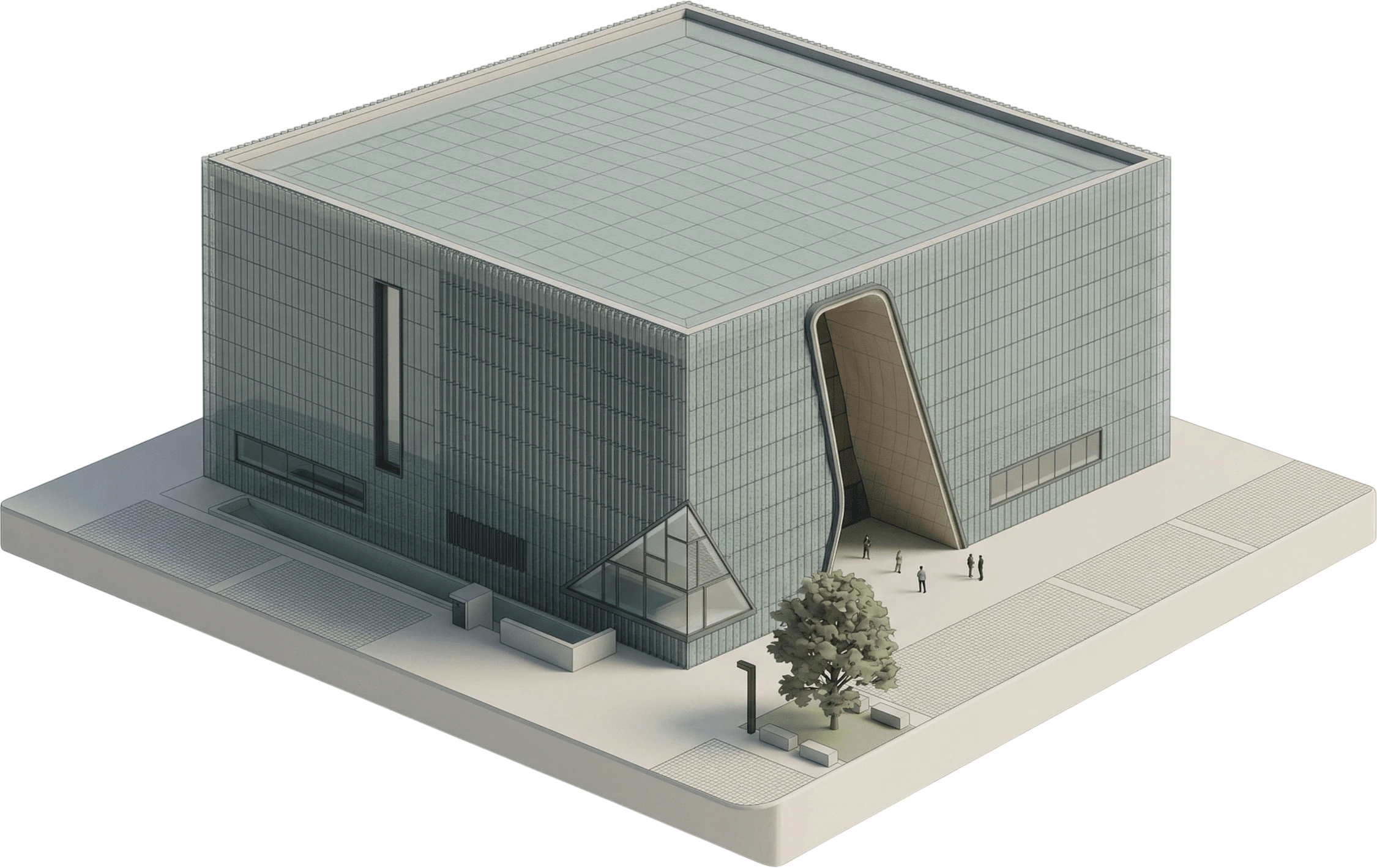
Warsaw
Museum itinerary · Warsaw

Jewish history in Warsaw: from POLIN to the Ringelblum Archive

Leave room for a concentrated look at the wartime documents after POLIN’s longer historical account.

Allow the longer part of the day for POLIN’s core exhibition. Leave several galleries’ worth of time at the Jewish Historical Institute to read about Oneg Shabbat and see how the Ringelblum Archive was assembled and preserved under occupation.

Museum stops
2
Visits and transfers
3 hr 25 min
Suggested days
Mon, Wed, Thu, Fri, & Sun
Why these museums go together

Spend a half-day in Jewish Warsaw with two exhibitions that ask for different kinds of attention. At POLIN, start well before the twentieth century: merchants, towns, religious life and the modern cultural life of Polish Jews all have a place in the core exhibition. The Jewish Historical Institute then gives you time to listen to individual writers and to see what it took to preserve their words in the Warsaw Ghetto. A short walk links the museums, but it is worth leaving a pause between them.

Look for the ways each exhibition gives a voice to the people it describes. At POLIN you may follow maps, recreations and period publications from room to room. The second visit slows the pace to the scale of a single document, a writer and the circumstances in which that person wrote. Neither experience can substitute for the other.

History
Route map
© OpenStreetMap contributors

The itinerary, stop by stop

Stop 1 · 2 hr 5 min
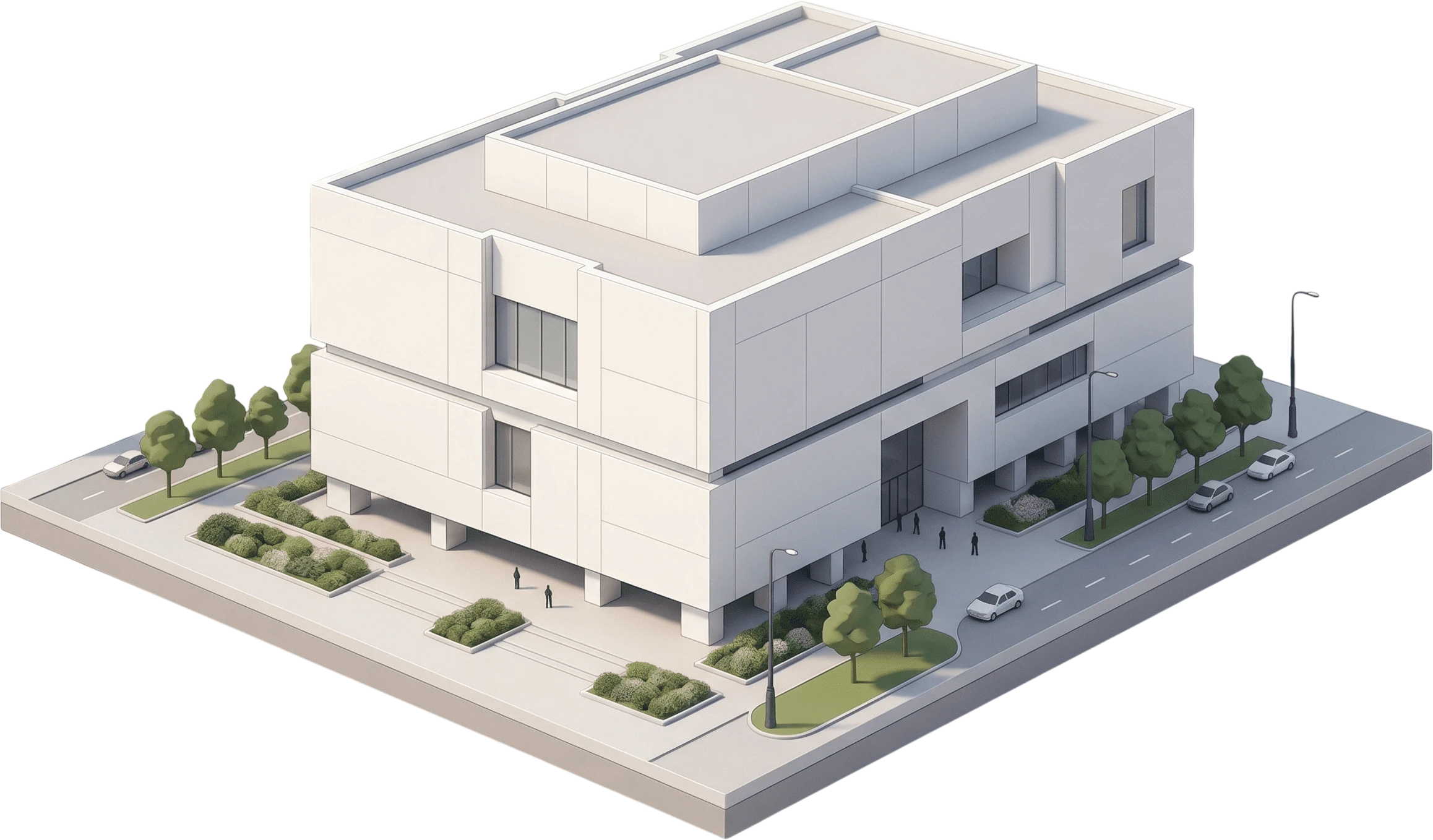
POLIN Museum of the History of Polish Jews

Start with the forest and the First Encounters gallery. Instead of trying every interactive display, select one detail about trade and another about local community life. In the Jewish Town, look up at the reconstructed synagogue ceiling before moving into the nineteenth and twentieth centuries. Leave time for Jewish Street, the Holocaust galleries and a brief look at what followed the war. The later rooms are part of the same story, so keep some energy for them.

What to look for

First Encounters
Look for the thirteenth-century coin with Hebrew letters. The object offers a concrete starting point for thinking about trade and contact long before the modern city.
The wooden synagogue at Gwoździec
Take time under the reconstructed painted ceiling. Look for the relationship between symbols, ornament and the structure that supports them.
On the Jewish Street
Choose the cinema or café material and ask what kind of public life it makes visible. The rooms give the interwar period a cultural presence of its own.
Holocaust and the postwar galleries
Take time for an individual account and then read something about the years after 1945. The sequence helps put what you will see at the Institute into a longer history.

Walk · 15 min

Getting to Jewish Historical Institute

Walk via Anielewicza / Andersa / Tłomackie (about 1.0 km; allow 15 min).

Stop 2 · 1 hr 5 min
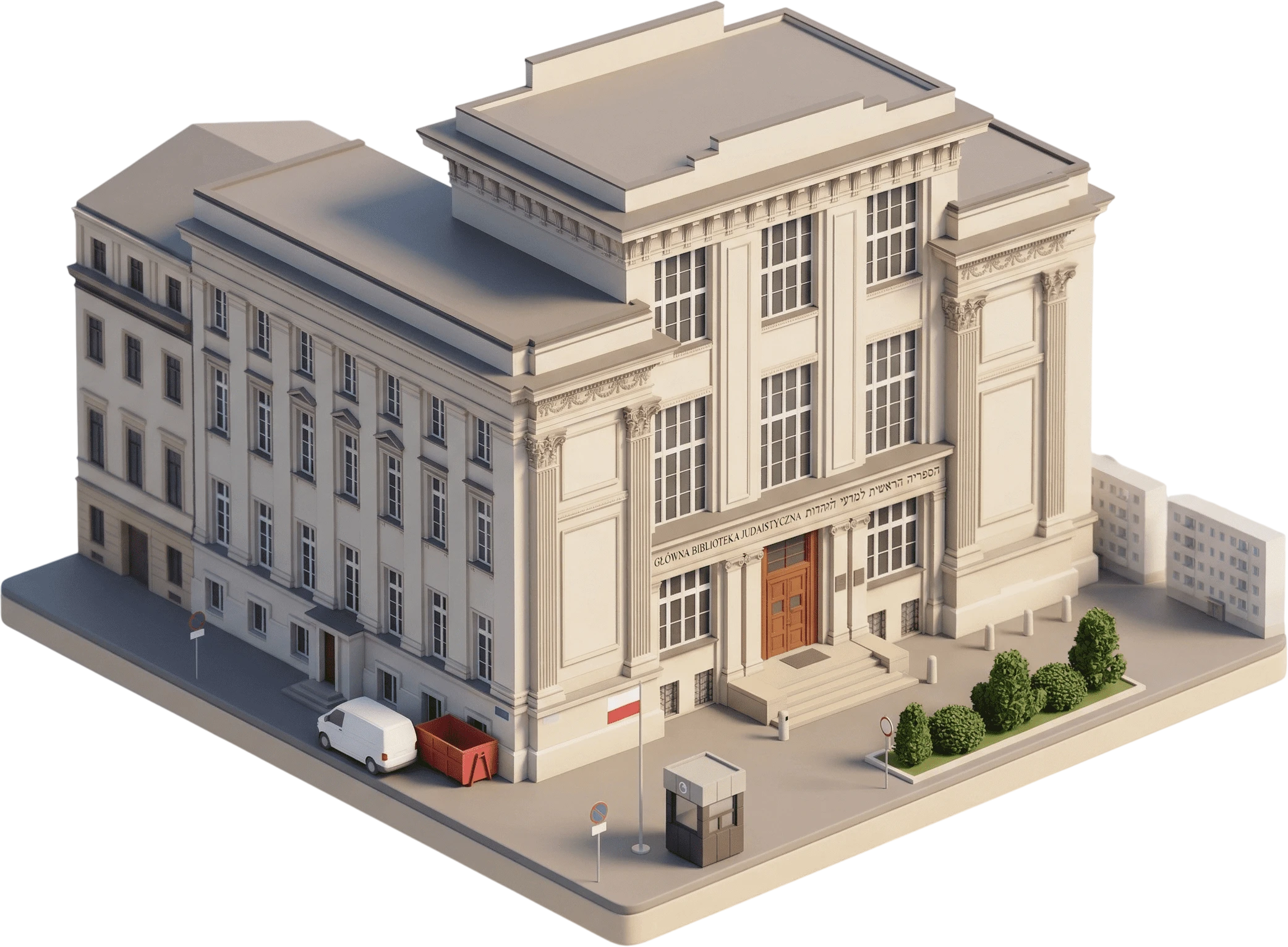
Jewish Historical Institute

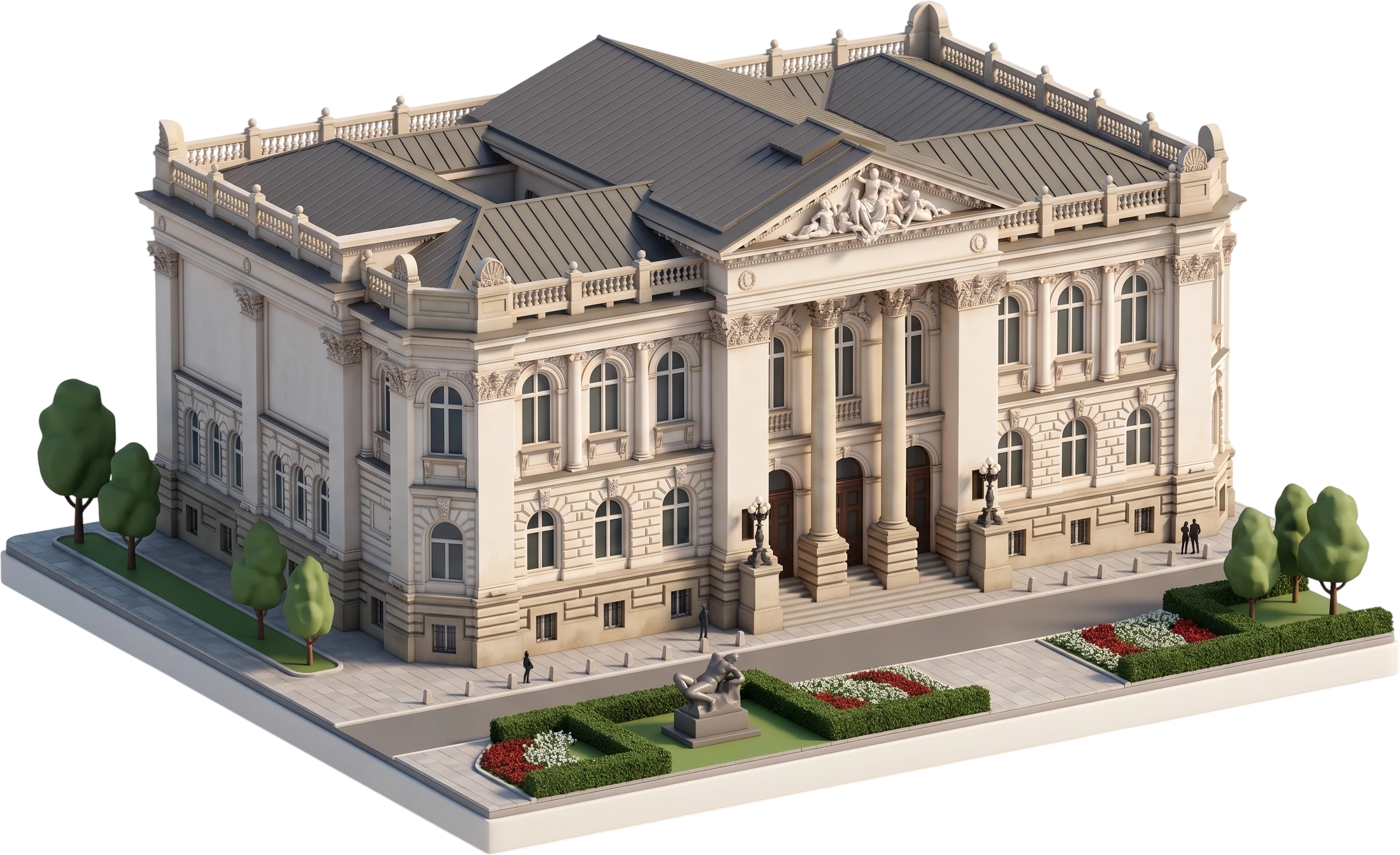
At Tłomackie, go straight to the permanent exhibition about the Underground Archive of the Warsaw Ghetto. Follow the account of Oneg Shabbat from collecting evidence to concealing it. Read a few documents carefully, including the context around a letter or testament. Some documents may be represented by reproductions. Let the exhibition identify originals and display changes.

What to look for

Oneg Shabbat
Find the exhibition’s account of how the group collected testimony. Look for what kinds of evidence writers and organisers considered worth preserving.
Dawid Graber’s testament
Read the context for the words used in the exhibition title. The account identifies a young person involved in hiding part of the archive.
The archive container
Look for the milk can associated with the buried documents. The container makes a practical part of the archive’s survival visible.
Letters and witness accounts
Read a document from beginning to end where the display allows. Notice who wrote it, who might have been able to read it then, and who the writer wanted to reach.
Timing, booking and admission

Set your pace

Start POLIN at 10:00 and spend about 125 minutes in the core galleries. Leave just after noon for the 15-minute walk, and aim for the Institute around 12:35. Give the second stop roughly 65 minutes. On Friday, avoid pushing the Institute into the late afternoon because its last admission is earlier. A late start is a reason to shorten the first visit or move the second to another day.

What to book ahead

Choose the core exhibition ticket at POLIN and check the institute’s shorter Friday hours. On the weekend use Sunday, when both normally open.

Tickets and museum passes

Select POLIN’s core exhibition rather than a temporary-show ticket. Check its last entry, two hours before closing, and leave time for security. The Institute has a separate ticket; it lists free exhibition admission on Monday. POLIN closes Tuesday and the Institute closes Saturday. Check both calendars for holiday exceptions.

Sources and route research

Discover Museum Exhibitions in Warsaw: Art, History, and Cultural Displays
Explore compelling narratives and diverse artistic expressions across the city.
Find captivating cultural programming and explore special installations throughout Warsaw's museums. From significant historical showcases to contemporary art, uncover the city's rich heritage through engaging displays. Plan your visit to experience diverse artistic viewpoints.
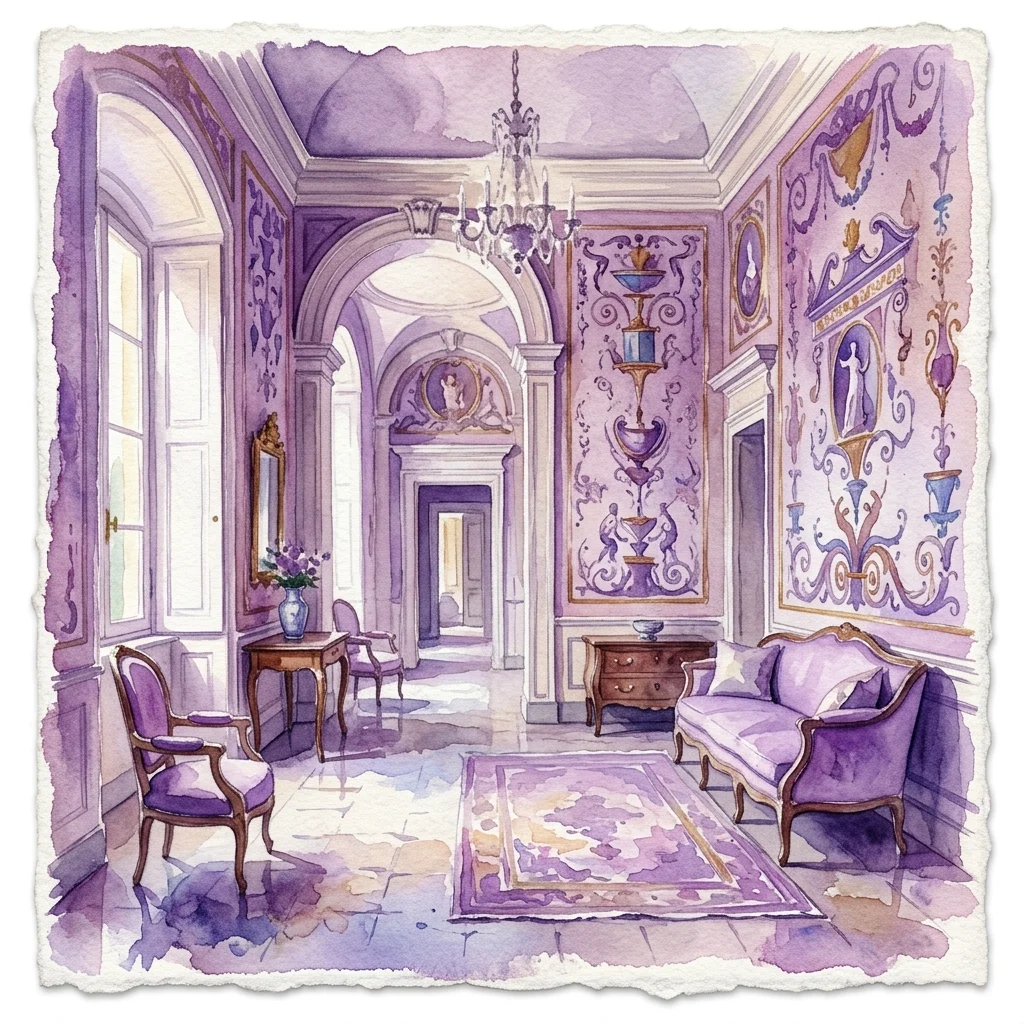
Watercolor illustration of a neoclassical interior in The White House villa at Royal Łazienki Museum, featuring purple grotesque wall paintings, period furniture, and a chandelier.
Royal Łazienki Museum
Permanent exhibition

The White House at the Royal Łazienki Museum

A historic royal villa featuring eighteenth-century interiors and art.

Explore a summer residence built for King Stanisław August, notable for its intricate grotesque ornamentation and restored period spaces. The site highlights eighteenth-century architecture alongside the Royal Collection of Graphics.

The White House
The Monument to Cyprian Kamil Norwid in Warsaw: Honoring a Polish Literary Figure
Royal Łazienki Museum
Permanent exhibition

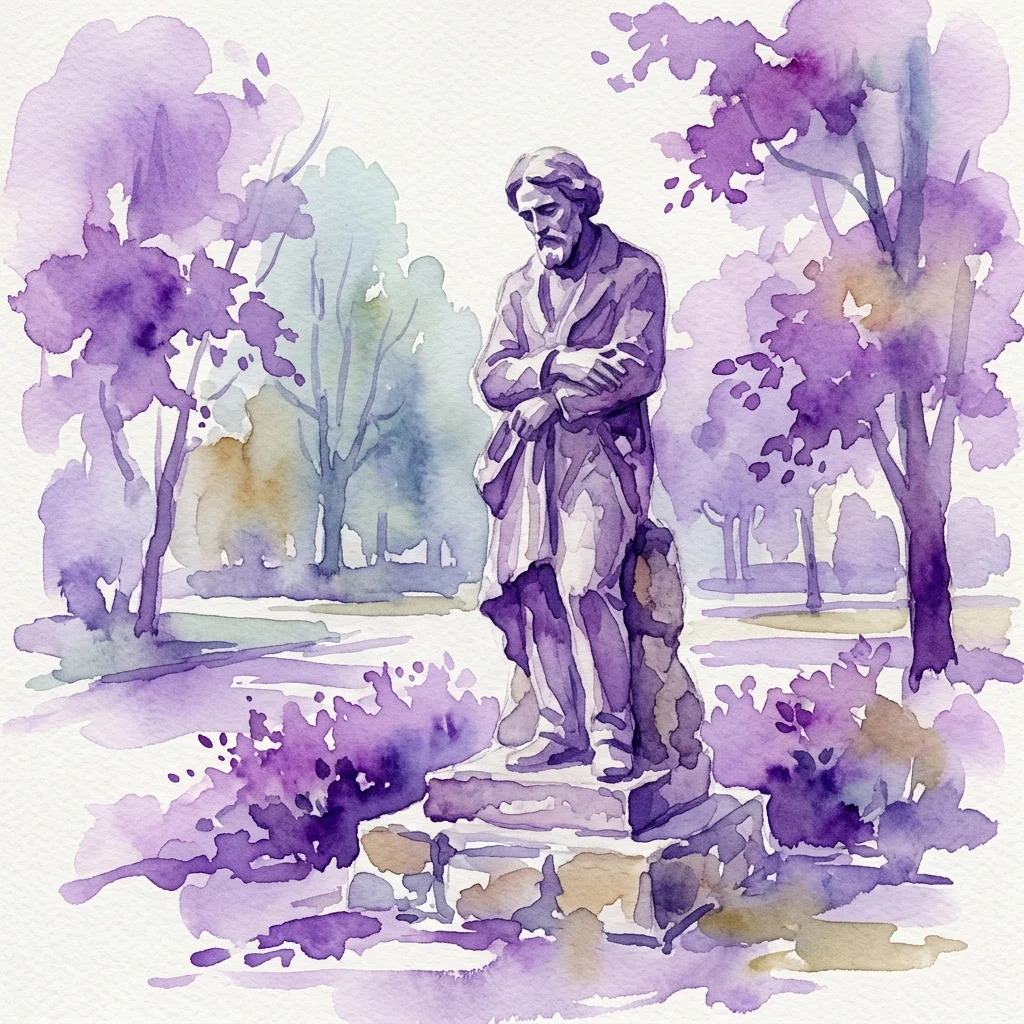
The Monument to Cyprian Kamil Norwid in Warsaw: Honoring a Polish Literary Figure

Explore Julia Keilowa's iconic sculpture of the esteemed poet.

Discover Warsaw's first monument dedicated to Cyprian Kamil Norwid, the influential Polish poet. This stone replica of Julia Keilowa's sculpture captures Norwid's thoughtful essence, reflecting his enduring cultural impact. Explore its artistic details and historical context.

Norwid Monument
Monument of Stanisław August: Permanent Royal Sculpture at Royal Łazienki Museum
Royal Łazienki Museum
Permanent exhibition

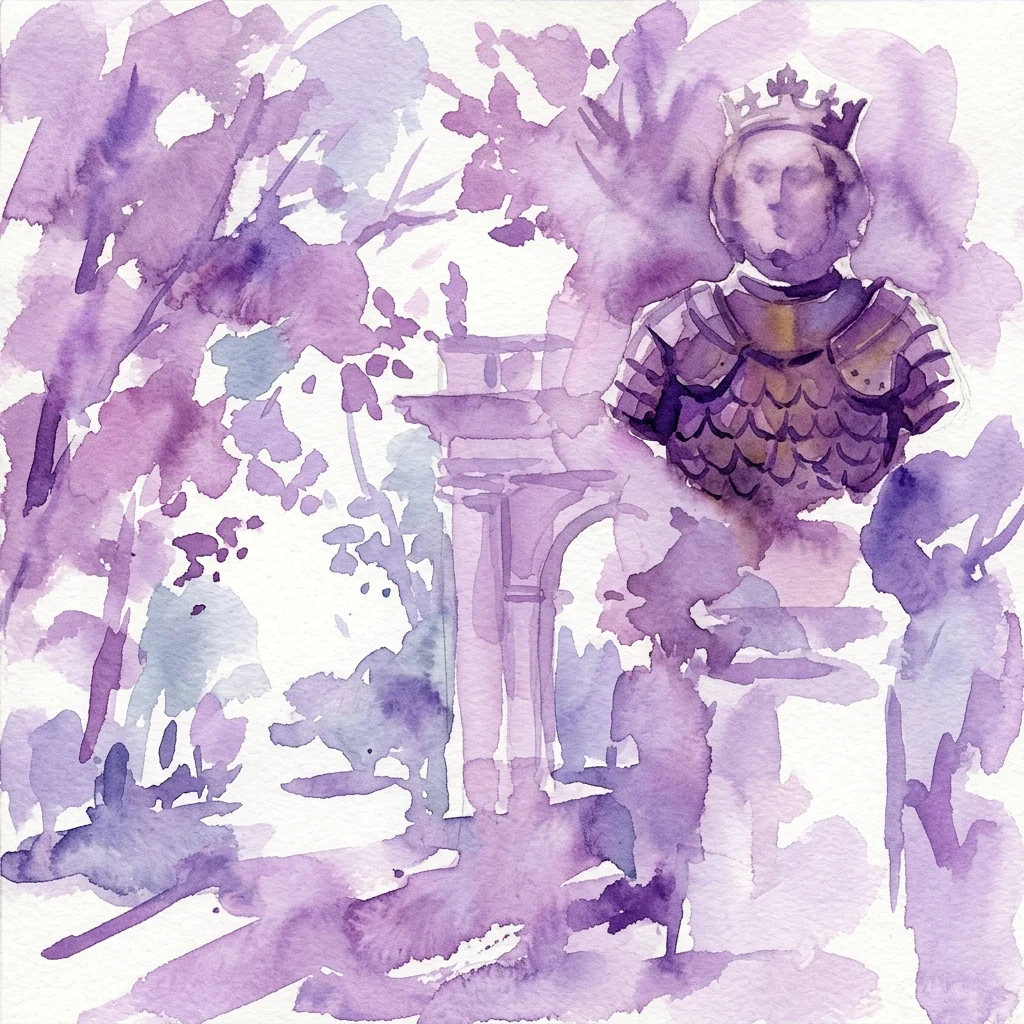
Monument of Stanisław August: Permanent Royal Sculpture at Royal Łazienki Museum

Discover 18th-century Polish art and royal symbolism through this bronze bust.

This enduring monument features André Le Brun's 1784 bronze bust of King Stanisław August, masterfully cast by Edward Śluzek. Located in Royal Łazienki Park, it permanently displays the king in armor, symbolizing his role as a protector of his nation. Explore this significant piece of Polish art and royal history.

View Monument
Warsaw

Discover All Museums in Warsaw: Explore the City's Diverse Cultural Attractions

Uncover Warsaw's history, art, and science through its varied museum collections.

Browse a comprehensive listing of museums in Warsaw, providing insight into its significant historical events and artistic movements. Explore engaging exhibits and cultural spaces throughout the city. Find your next cultural destination among Warsaw's renowned institutions.