
Warsaw
Museum itinerary · Warsaw

Inside Warsaw’s Old Town, from the Royal Castle to Marie Curie’s birthplace

Four doorways into the working lives of a capital

A painted city, a pharmacist’s counter, a shop sign and a family of teachers offer four different answers to the question of who made Warsaw.

Museum stops
4
Visits and transfers
4 hr 29 min
Suggested days
Tue, Wed, Thu, Fri, & Sat
Why these museums go together

Start in the Castle’s ceremonial rooms, where an audience with the monarch meant crossing one carefully arranged space after another. On Piwna, reverse the perspective. A patient met the pharmacist across a counter. By the time you reach Freta, the interior you are looking for is a family home where a girl could grow up surrounded by teachers.

Look at the city views attributed to Bellotto in the Castle and choose a building in one of them. At the Museum of Warsaw, try to picture street level using a shop sign or an everyday object. The two small science museums give individual women a place in that urban history, first as pharmacists and then as scientists.

HistoryLocal heritageScience
Route map
© OpenStreetMap contributors

The itinerary, stop by stop

Stop 1 · 1 hr 30 min
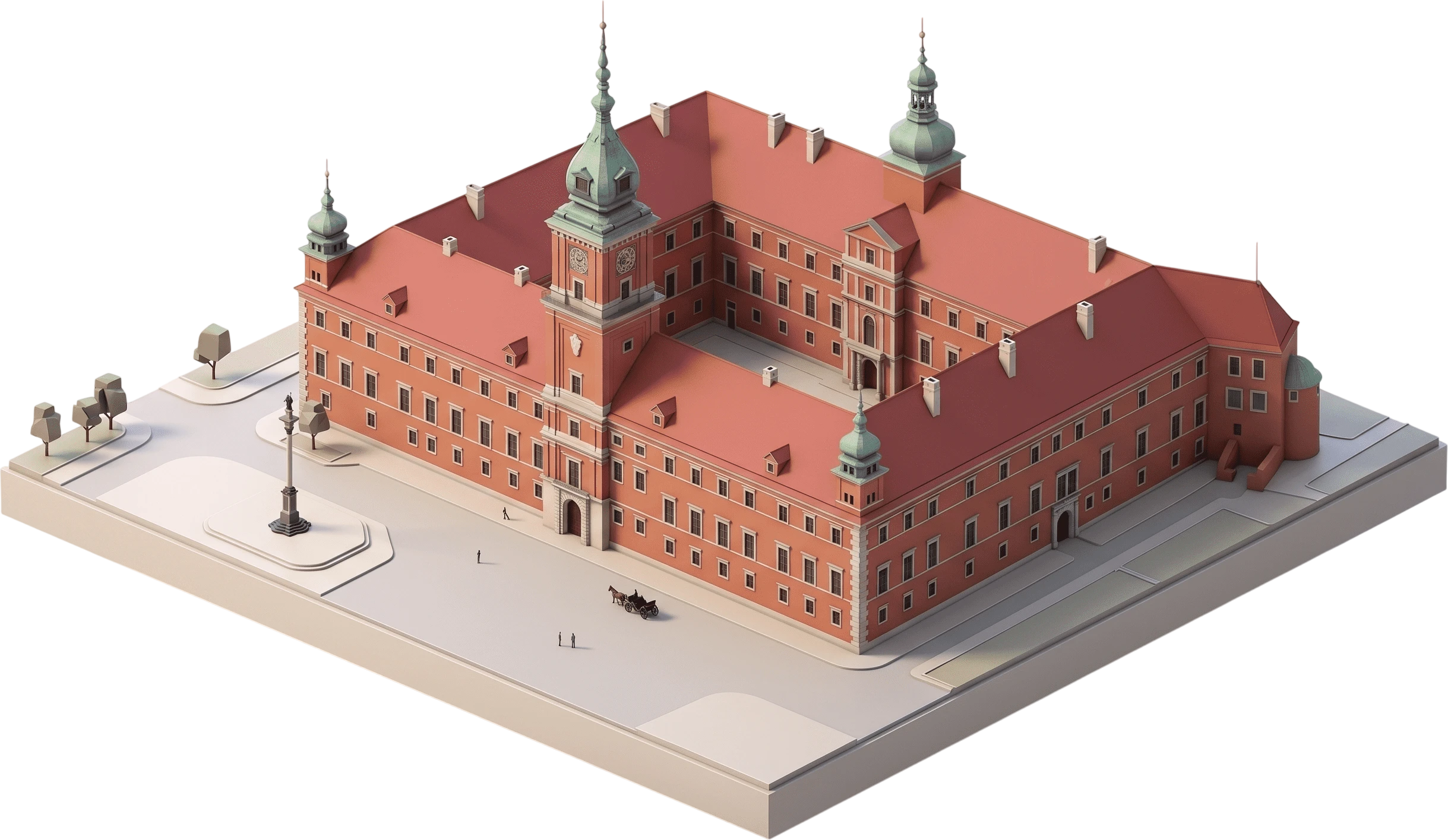
Royal Castle in Warsaw

Start with the rooms where visitors met royal authority face to face. Give a city view by Bellotto a second look before leaving the Castle. The street you are about to follow is another way to read the buildings in the painting.

What to look for

Great Assembly Hall
Take in the large room from its entrance. Notice where your attention goes and how the size and decoration would frame a gathering.
Throne Room
Look from the throne to its surroundings. Compare this focused view of power with the more open layout of the Assembly Hall.
Canaletto Room
Look for a recognisable street or building in Bernardo Bellotto’s views. Use one visible detail as a prompt when you walk into the Old Town.
Marble Room
Compare portraits and materials with those in the larger ceremonial rooms. Notice how much of the room’s impression depends on surface and scale.

Walk · 3 min

Getting to Antonina Leśniewska Museum of Pharmacy

Cross Castle Square towards Piwna and look for the pharmacy museum at number 31/33. The mapped walk is 205 metres, about three minutes.

Stop 2 · 45 min
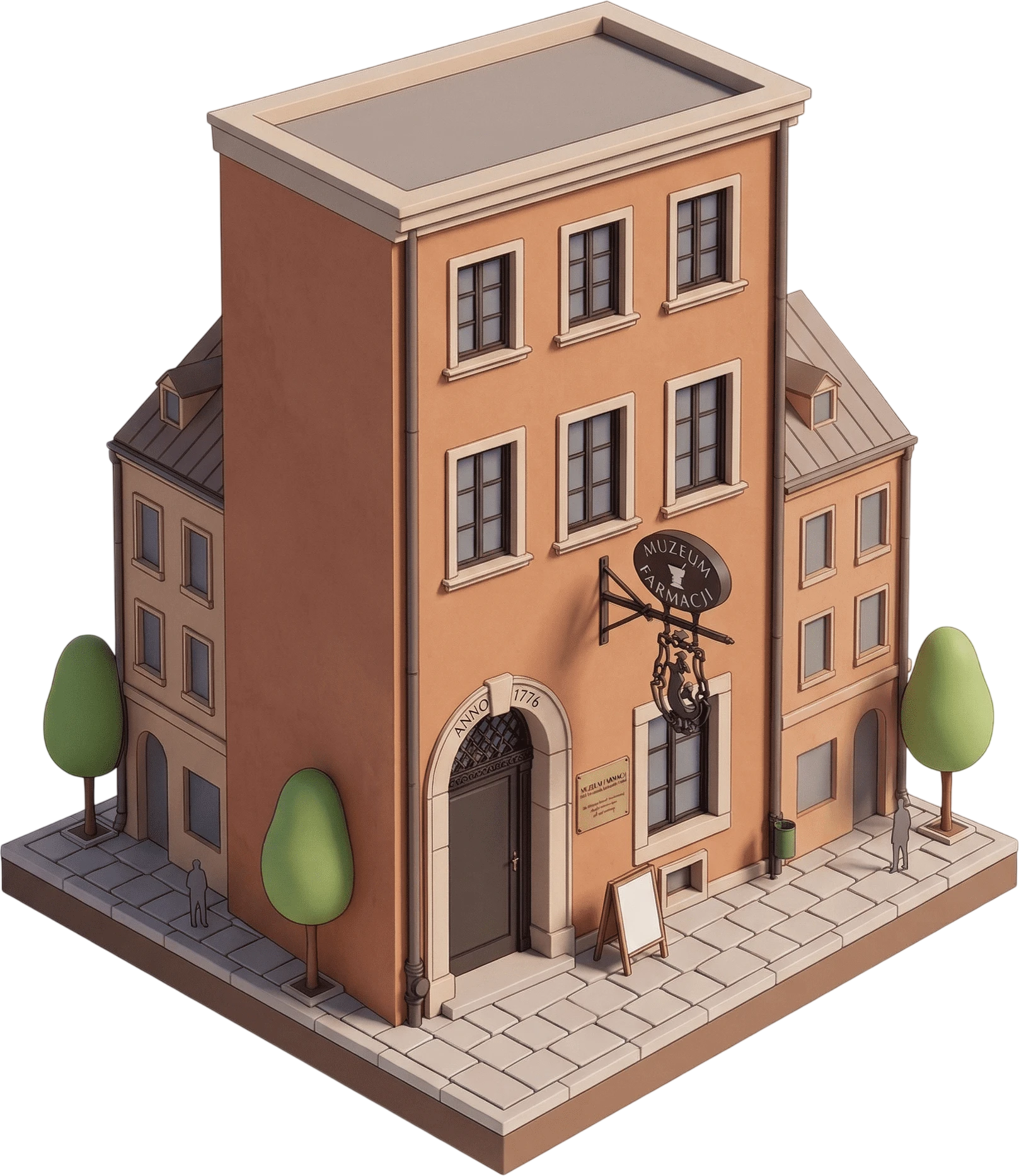
Antonina Leśniewska Museum of Pharmacy

The reconstructed dispensary on Piwna puts you on the patient’s side of the counter. Take a moment to work out how the pharmacist could find, measure and package an ingredient with the customer looking on. The permanent exhibition Res pharmaceuticae gives those gestures a history.

What to look for

An interwar dispensary
Stand back from the counter and notice the reach between drawers, shelves and working surface. The room’s arrangement is a record of a profession.
Medicine vessels
Look for differences in glass colour, lids and labels. Compare how a pharmacist could distinguish contents quickly and how a patient might have understood them.
Antonina Leśniewska
Read the patron’s story beside the working interior. Her work opening the profession to women gives another meaning to the question of who could stand behind the counter.
Japanese Kampo medicines
Compare the Japanese section with the Polish dispensary. Study how each tradition names and groups its remedies, then return to the counter with a fresh eye for its labels.

Walk · 2 min

Getting to Museum of Warsaw

Continue along Piwna, turn into Wąski Dunaj and reach the Dekert side of the Old Town Market Square. Allow two minutes for 146 metres.

Stop 3 · 1 hr 10 min
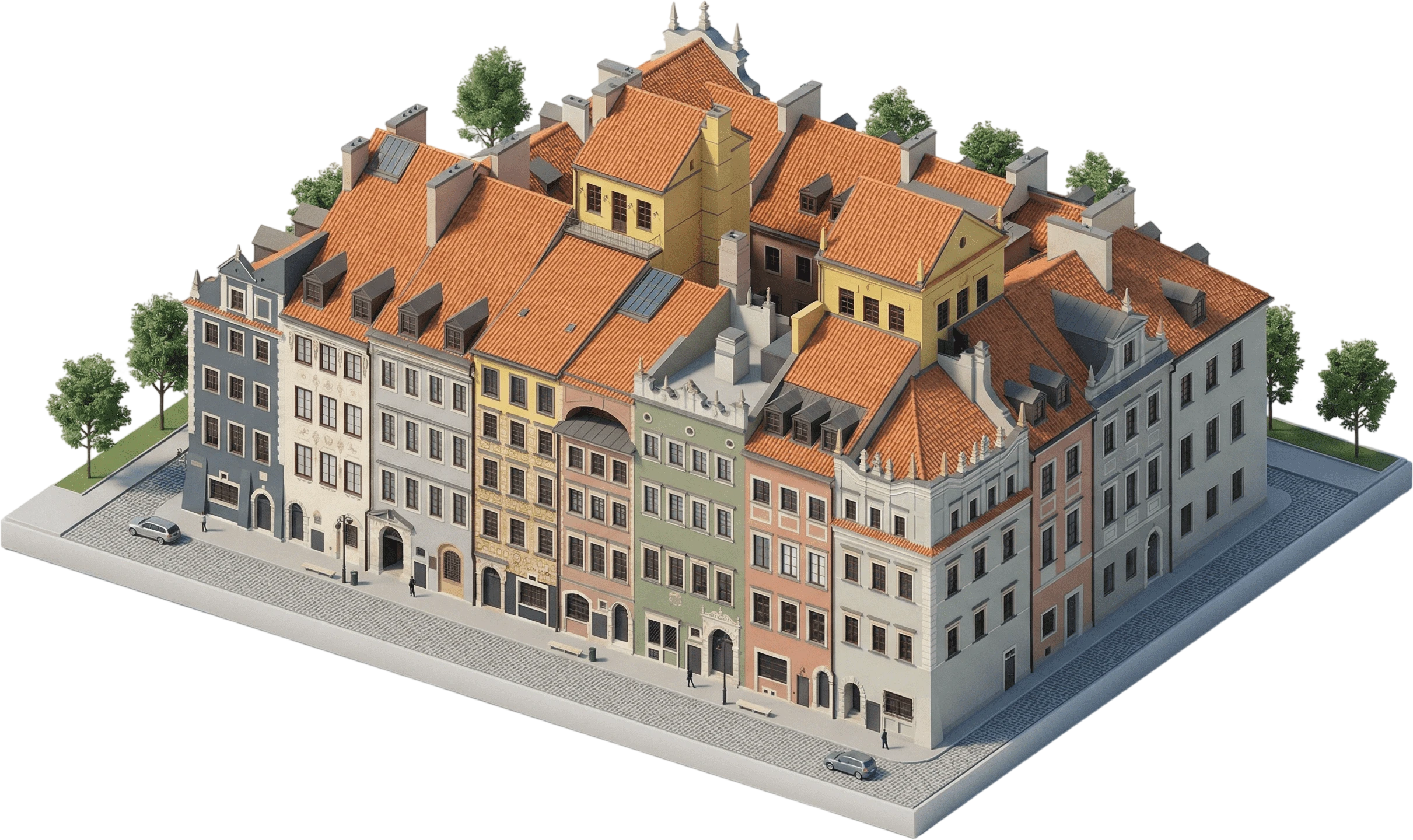
Museum of Warsaw

Choose a few rooms in the Market Square houses rather than attempting the whole museum. Look for shop signs and everyday objects. They put inhabitants and occupations back into the grand urban panorama you saw at the Castle.

What to look for

Room of Warsaw Mermaids
Compare the fountain sculpture with the copy outside. See how the same emblem changed when it became a souvenir, a municipal symbol or architectural decoration.
Room of Postcards
Choose one view and ask what the photographer wanted a visitor to remember. Compare the framing with a Castle painting of a street or building.
Room of Architectural Details
Pick one salvaged fragment and imagine where it fitted on a whole building. The reconstruction route groups these details with accounts of what survived and what had to be rebuilt.
History of Old Town Houses
Use the displays to understand why the route makes small turns and changes floor. The linked buildings explain as much about the city as the objects inside them.

Walk · 4 min

Getting to Maria Skłodowska-Curie Museum

Walk north from the Market Square along Nowomiejska, pass the Barbican and continue to Freta 16. The 296 metres take about four minutes on foot.

Stop 4 · 55 min
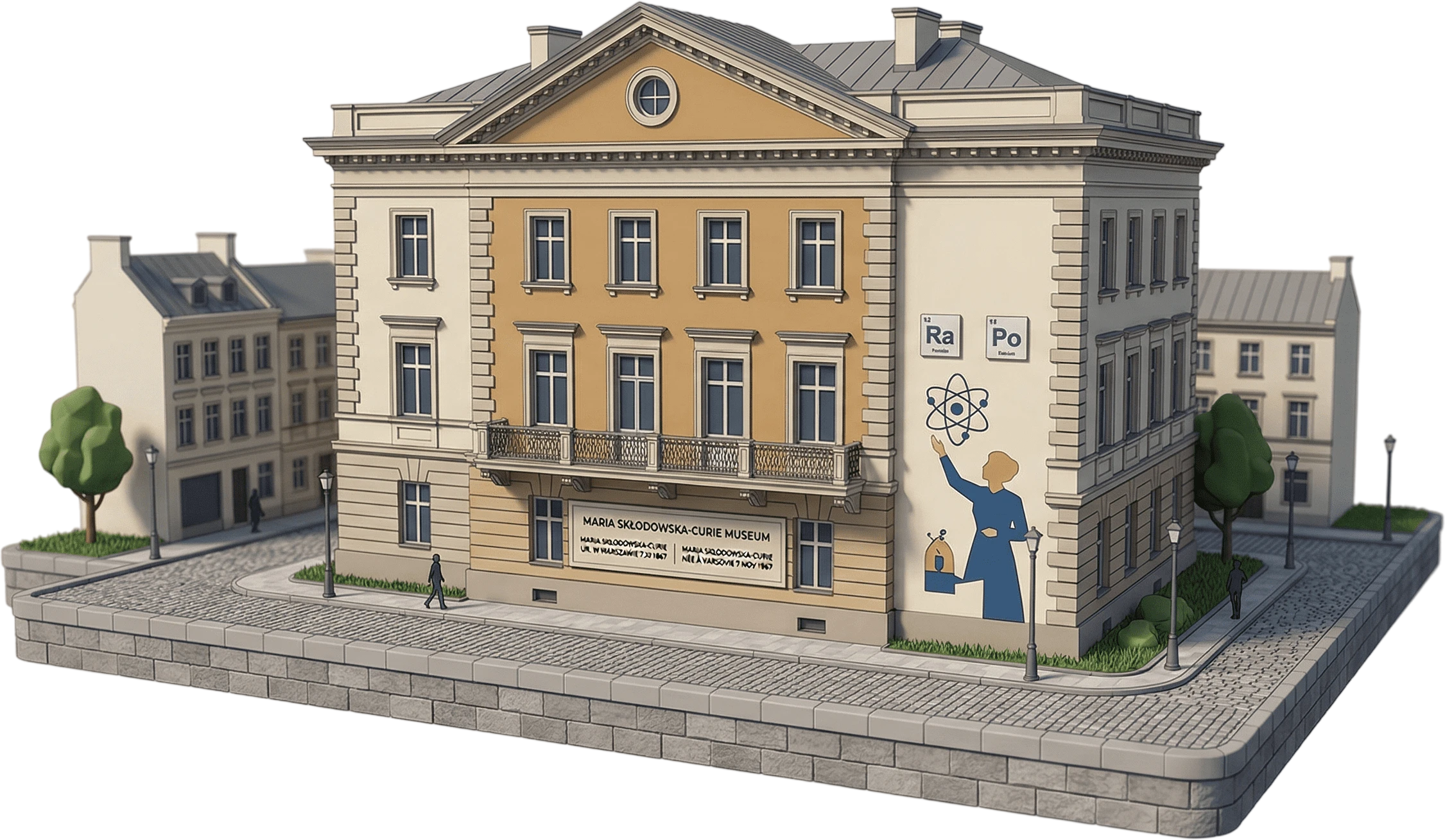
Maria Skłodowska-Curie Museum

End at Freta 16, Marie Skłodowska-Curie’s birthplace. Begin with the family’s connection to teaching and the question of what kind of education was available to a girl in Warsaw. The later scientific career reads differently once you have pictured the household from which it began.

What to look for

A house of teachers
Read about the girls’ school run by Maria’s mother. The relationship between a school and a family home brings education into the history of this particular street.
Family traces
Use one photograph or personal object to follow an individual through the display. Look for the transition between a Warsaw childhood and the next stage of Maria’s education.
Who are you, Maria?
The audio visit gives you another way to follow the biography. Listen to one section, then return to the family material and see which details now stand out.
The lost courtyard
The family probably lived in an outbuilding behind the frontage. Postwar reconstruction changed the site. Look back at the façade and compare it with the historic street photograph in the museum’s building history, where a pharmacy sign hangs downstairs.
Timing, booking and admission

Set your pace

Allow 90 minutes at the Castle, 45 on Piwna, 70 at the Museum of Warsaw and 55 on Freta. Walking adds about nine minutes. With lunch near the Market Square and time to find each entrance, reserve five and a half to six hours.

What to book ahead

Choose Tuesday to Saturday and check the temporary changes for all four museums. Confirm the Castle route includes the rooms you want. Save a margin before the final admission on Freta, especially if you stop for lunch after the Market Square.

Tickets and museum passes

For this route the weekday makes a difference. The pharmacy lists free entry on Thursdays, while the Curie Museum offers free individual admission on Tuesdays. Compare those savings when choosing a day. Check Castle tickets separately and confirm which branches any Museum of Warsaw ticket covers.

Sources and route research

Discover Museum Exhibitions in Warsaw: Art, History, and Cultural Displays
Explore compelling narratives and diverse artistic expressions across the city.
Find captivating cultural programming and explore special installations throughout Warsaw's museums. From significant historical showcases to contemporary art, uncover the city's rich heritage through engaging displays. Plan your visit to experience diverse artistic viewpoints.
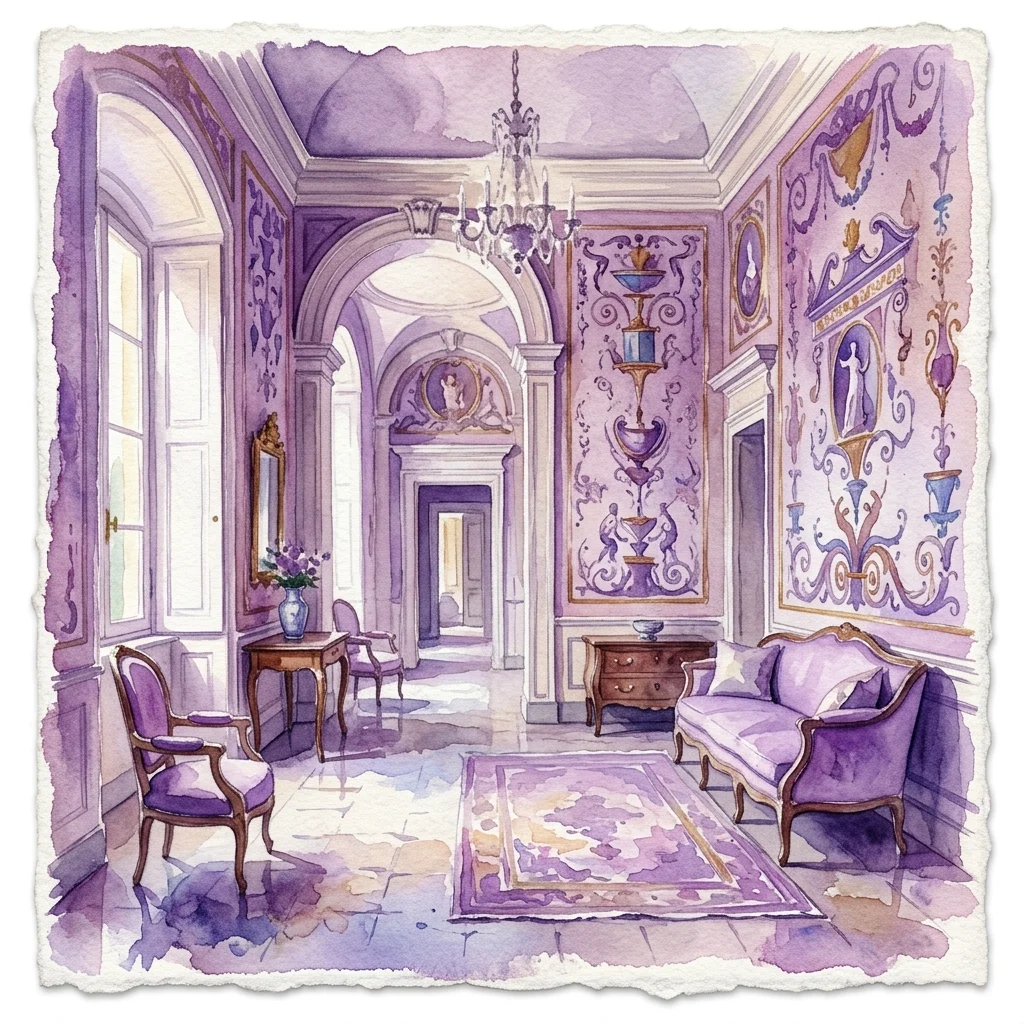
Watercolor illustration of a neoclassical interior in The White House villa at Royal Łazienki Museum, featuring purple grotesque wall paintings, period furniture, and a chandelier.
Royal Łazienki Museum
Permanent exhibition

The White House at the Royal Łazienki Museum

A historic royal villa featuring eighteenth-century interiors and art.

Explore a summer residence built for King Stanisław August, notable for its intricate grotesque ornamentation and restored period spaces. The site highlights eighteenth-century architecture alongside the Royal Collection of Graphics.

The White House
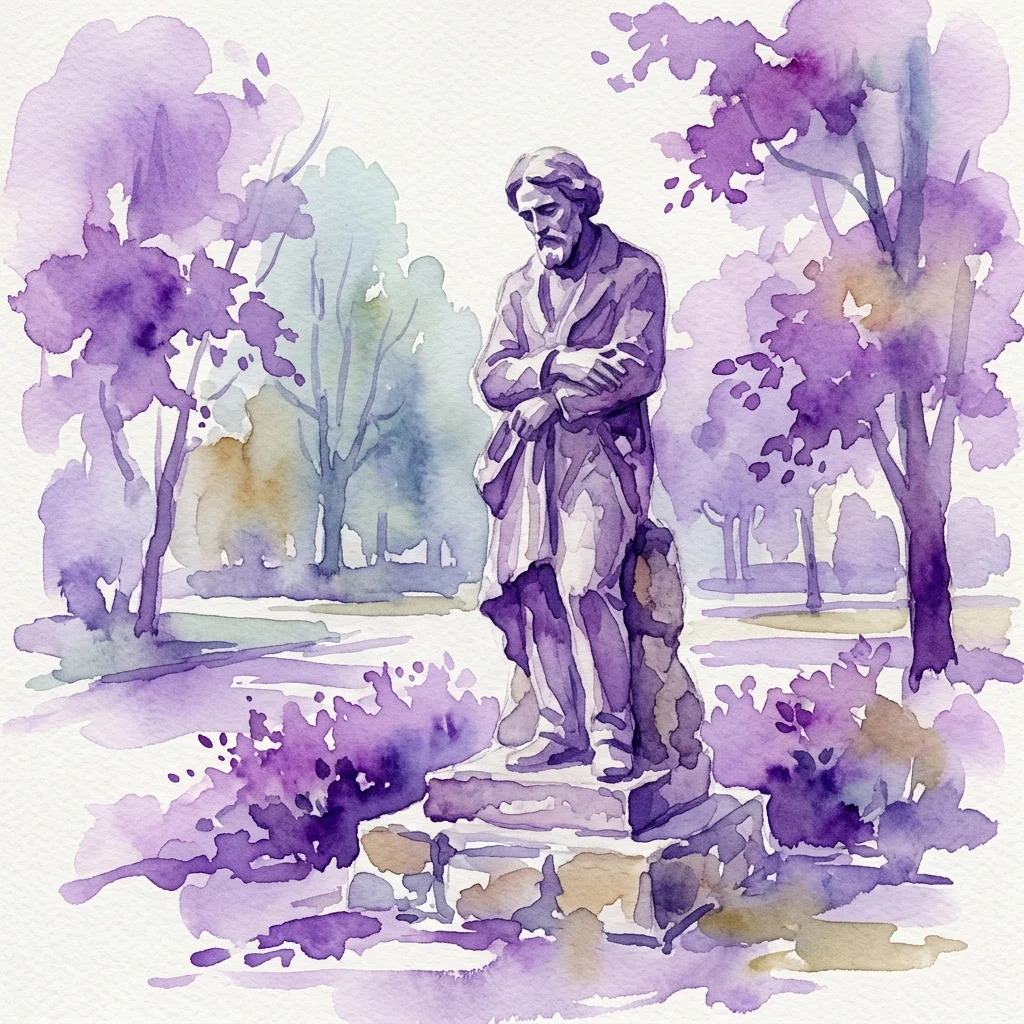
The Monument to Cyprian Kamil Norwid in Warsaw: Honoring a Polish Literary Figure
Royal Łazienki Museum
Permanent exhibition

The Monument to Cyprian Kamil Norwid in Warsaw: Honoring a Polish Literary Figure

Explore Julia Keilowa's iconic sculpture of the esteemed poet.

Discover Warsaw's first monument dedicated to Cyprian Kamil Norwid, the influential Polish poet. This stone replica of Julia Keilowa's sculpture captures Norwid's thoughtful essence, reflecting his enduring cultural impact. Explore its artistic details and historical context.

Norwid Monument
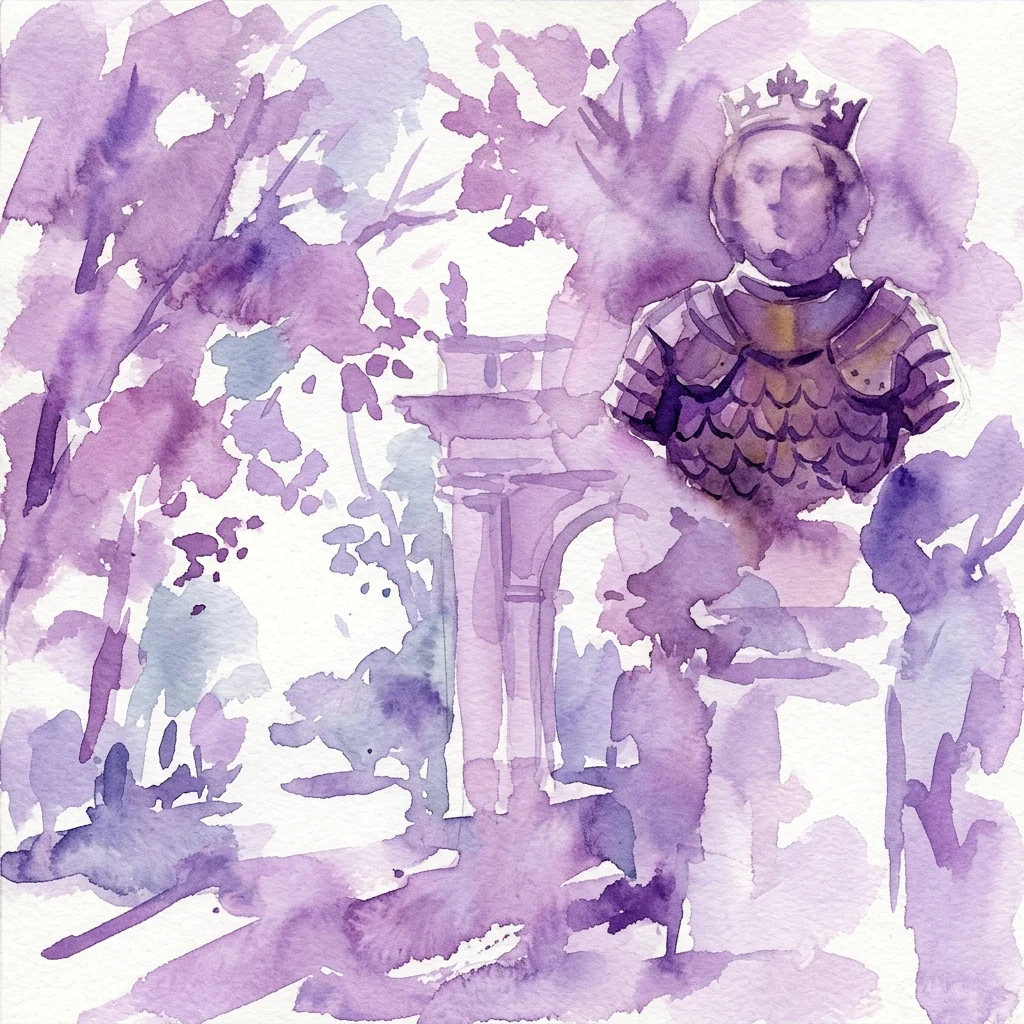
Monument of Stanisław August: Permanent Royal Sculpture at Royal Łazienki Museum
Royal Łazienki Museum
Permanent exhibition

Monument of Stanisław August: Permanent Royal Sculpture at Royal Łazienki Museum

Discover 18th-century Polish art and royal symbolism through this bronze bust.

This enduring monument features André Le Brun's 1784 bronze bust of King Stanisław August, masterfully cast by Edward Śluzek. Located in Royal Łazienki Park, it permanently displays the king in armor, symbolizing his role as a protector of his nation. Explore this significant piece of Polish art and royal history.

View Monument
Warsaw

Discover All Museums in Warsaw: Explore the City's Diverse Cultural Attractions

Uncover Warsaw's history, art, and science through its varied museum collections.

Browse a comprehensive listing of museums in Warsaw, providing insight into its significant historical events and artistic movements. Explore engaging exhibits and cultural spaces throughout the city. Find your next cultural destination among Warsaw's renowned institutions.