This permanent exhibition offers an intimate glimpse into traditional Korean life through the design of a 'hanok' house, blending 19th-century aesthetics with contemporary Korean design. It symbolically divides space into male and female quarters, reflecting social roles and Confucian ideals of moderation, adorned with symbols of good fortune.
The Korea Gallery is a permanent exhibition that invites visitors into an intimate, home-like space designed according to the Korean concept of 'borrowing beauty from nature.' It meticulously recreates the essence of a traditional Korean house, or 'hanok,' offering a unique perspective on the life philosophy of its inhabitants. A key aspect of the exhibition is its thoughtful combination of 19th-century Korean design principles with contemporary Korean design that draws inspiration from tradition.
The gallery symbolically divides its space into 'sarangbang' (men’s quarters) and 'anbang' (women’s quarters), mirroring the historical social structure and the clearly defined roles within a patriarchal society. The arrangement of objects within these spaces thoughtfully reflects the daily functions of interiors—such as work, meals, and personal care—and conveys the Confucian ideal of moderation. Traditional beliefs are interwoven throughout the exhibition through pervasive symbols of good fortune, including carp, butterflies, and bats, which are prominently featured in decorative motifs.
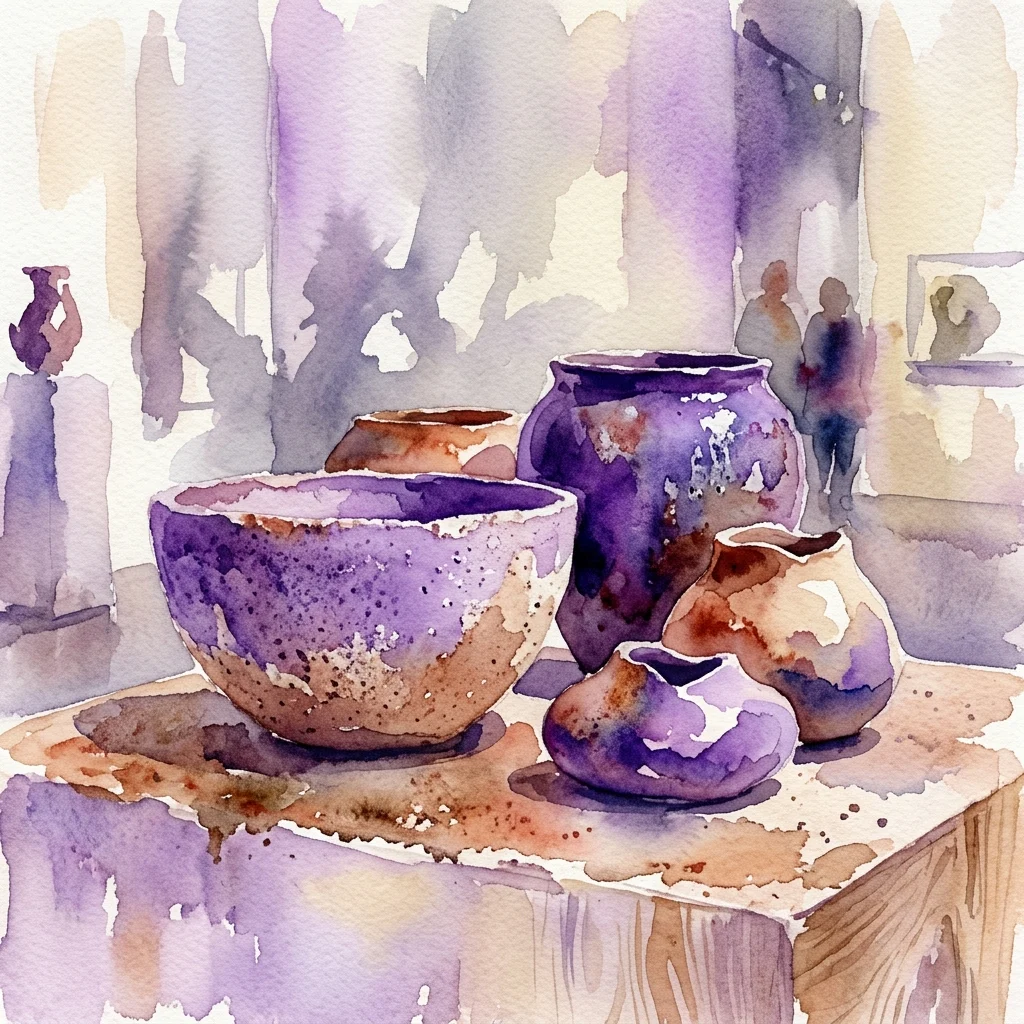
The collection prominently features wooden furniture from the 19th and 20th centuries, characterized by precise craftsmanship, intricate carving, and adornment with metal fittings. This display is further enriched by historic and contemporary ceramics, various decorative elements, and modern furniture crafted from metal and plastic, all inspired by traditional Korean design. The exhibition is a testament to the enduring cultural legacy and aesthetic principles of Korea.