The permanent exhibition 'Sacrum i profanum' showcases the Warsaw Archdiocese Museum's extensive collection, featuring liturgical textiles, goldsmithing, sculpture, painting, drawing, and graphics. Highlights include works by Albrecht Dürer, Francesco Bassano, and significant Polish painters, alongside Gothic sculptures and contemporary art.
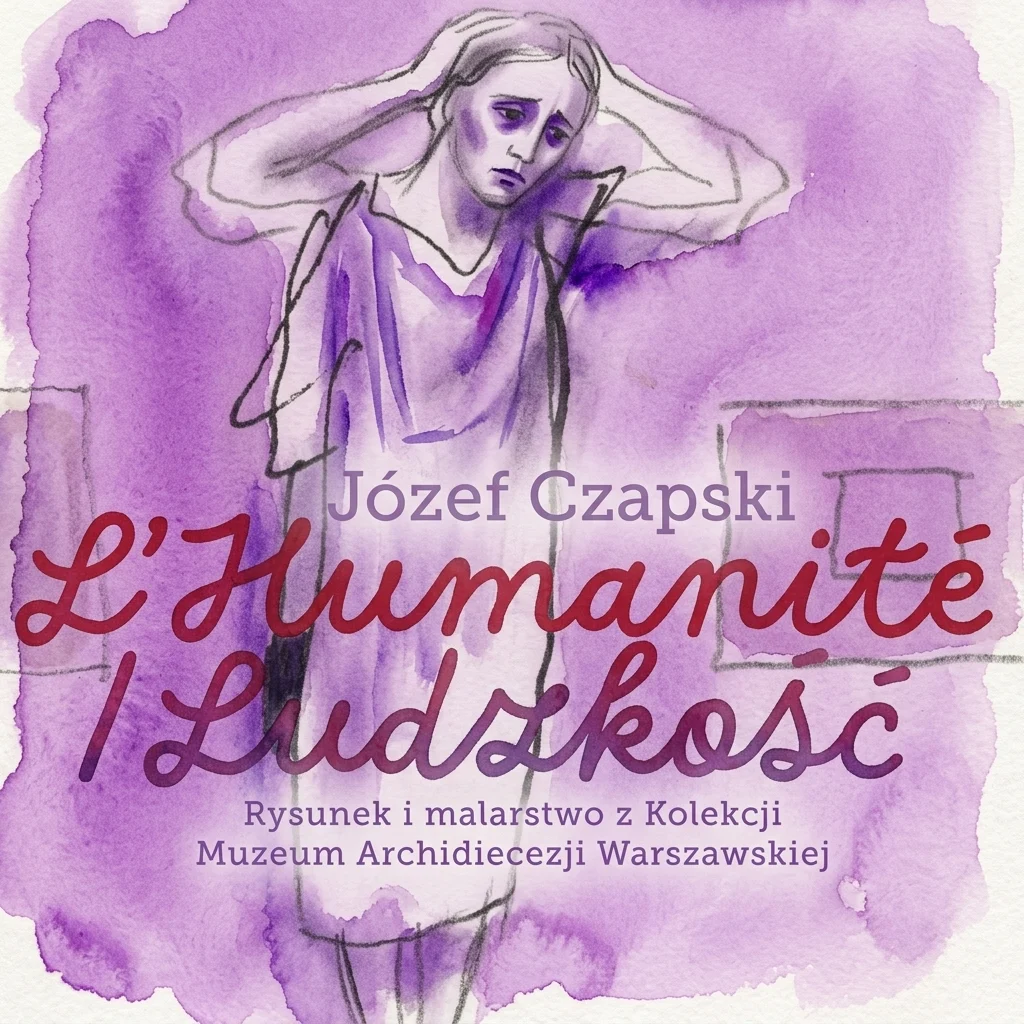
The permanent exhibition 'Sacrum i profanum' at the Warsaw Archdiocese Museum presents a rich and diverse collection spanning various art forms. Visitors can admire impressive ensembles of liturgical textiles and goldsmithing, alongside significant works in sculpture, painting, drawing, and graphics. Special attention is given to Albrecht Dürer's woodcuts from 1498-1511, including 'Apocalypse,' 'Life of the Virgin,' and 'Passion,' bound in a single volume. The painting collection boasts 'Adoration of the Shepherds' (1575) by Italian painter Francesco Bassano, and works by renowned Polish artists such as Matejko, Rustem, Simmler, Wyspiański, Pankiewicz, Malczewski, and Vlastimil Hoffmann. The exhibition also highlights Polish contemporary painting, particularly independent art from the 1980s, featuring émigré artists like Józef Czapski, Jan Lebenstein, and Adam Kossowski.
In sculpture, the collection includes a Beautiful Madonna with Child from the workshop of Hans Multscher (3rd quarter of the 15th century) and a rare 15th-century figure of Christ with movable arms, used in Easter Passion rituals. Contemporary sculpture is represented by Antoni Madeyski, Henryk Kuna, and post-war works by Alfons Karny. The liturgical vestments are notable, especially chasubles made from kontusz belts and Baroque examples with elaborate figural embroidery. An Italian-made chasuble from the foundation of Queen Cecilia Renata, wife of Władysław IV (1644), is a particular highlight. The goldsmithing collection features late medieval tower monstrances from the early 16th century and 18th-century radiant monstrances with rich iconographic programs. A striking set of liturgical vessels, including a chalice, ampoules, and tray decorated with enamel scenes from the Passion, created by Augsburg goldsmith Michael Mair around 1700, is also on display. The museum also houses a notable collection of clocks from London, Dutch, and Gdańsk workshops, as well as mantel and tiled clocks.