Warsaw
Completed

Były trzy siostry, ale tylko dwie koszule: A Photography Exhibition on Polish Cultural Heritage

Justyna Mielnikiewicz documents the resilient Polish community, their unique traditions, and preserved dialect in Romanian Bukovina.

Delve into 'Były trzy siostry, ale tylko dwie koszule,' a compelling photographic journey by Justyna Mielnikiewicz. This exhibition beautifully captures the lives of the Polish community in Romanian Bukovina. Through personal stories and visual documentation of daily routines and festivals, it highlights their cultural identity and efforts to preserve a unique Polish dialect, offering insights into their rich heritage.

About Były trzy siostry, ale tylko dwie koszule at National Museum of Ethnography in Warsaw in Warsaw

Read curatorial context and practical visitor information for Były trzy siostry, ale tylko dwie koszule at National Museum of Ethnography in Warsaw in Warsaw

Exhibition summary

The exhibition 'Były trzy siostry, ale tylko dwie koszule' presents a photographic project by Justyna Mielnikiewicz focusing on the Polish community in Romanian Bukovina. It explores their cultural identity, traditions, and the unique dialect they speak, using personal stories and visual documentation of daily life and festivities.

Curatorial context

The exhibition 'Były trzy siostry, ale tylko dwie koszule' by Justyna Mielnikiewicz delves into the lives of the Polish community residing in Romanian Bukovina, a historically multicultural region. Mielnikiewicz's photographs document their daily routines, community events like odpust (church fairs) and harvest festivals (dożynki), and their efforts to preserve their heritage, including a unique Polish dialect known as 'gwara'. The exhibition highlights the community's sense of identity, often navigating between Polish and Romanian affiliations, and their emotional connection to Poland, exemplified by the tradition of sewing 'krakowskie' shirts, which, despite regional variations, symbolizes their Polish roots. Mielnikiewicz, an acclaimed Polish photographer known for her work across former Soviet republics, captured these images during a project in the region. The title itself, referencing the 'three sisters but only two shirts,' alludes to the preservation and transmission of cultural heritage, particularly through traditional attire passed down through generations, symbolizing a deep emotional bond with Polishness. The exhibition showcases the contemporary reality of this community, whose numbers have significantly decreased since the mid-20th century due to border changes and repatriations, yet they continue to maintain a distinct cultural presence.

Admission and ticket notes

This is a temporary exhibition. Further ticketing information can be found on the museum's official website.

Były trzy siostry, ale tylko dwie koszule key exhibition facts

Review exhibition status, schedule, venue context, and attribution details for Były trzy siostry, ale tylko dwie koszule at National Museum of Ethnography in Warsaw in Warsaw

Venue
National Museum of Ethnography in Warsaw
Current status
Completed
Exhibition schedule
May 18, 2024 – Sep 1, 2024
Artist line / attribution
Featuring photographic works by Justyna Mielnikiewicz, a Polish photographer recognized for her documentation of post-Soviet regions and recipient of the W. Eugene Smith Memorial Fund scholarship.
More from National Museum of Ethnography in Warsaw
Explore additional exhibitions from the same institution
Review other exhibitions from National Museum of Ethnography in Warsaw in Warsaw to compare themes, timelines, and program direction while planning your museum visit.
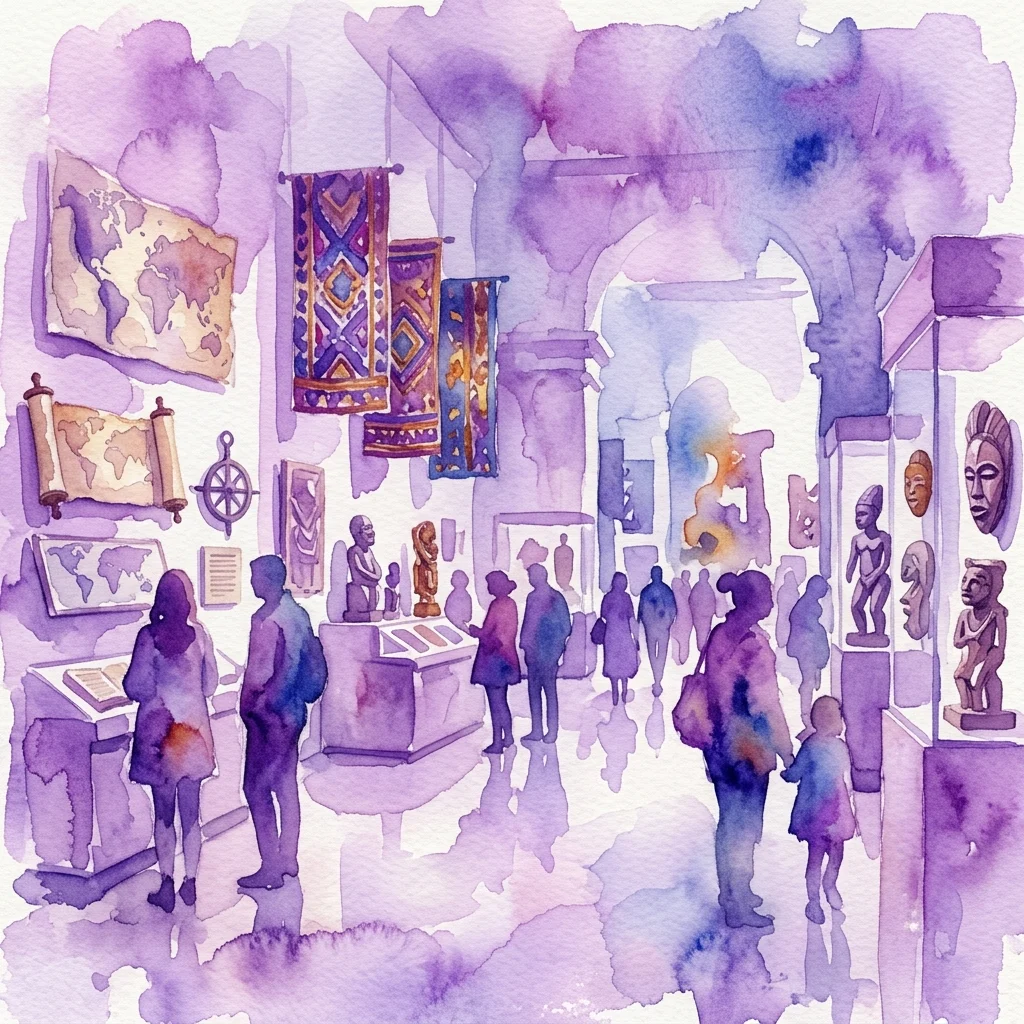
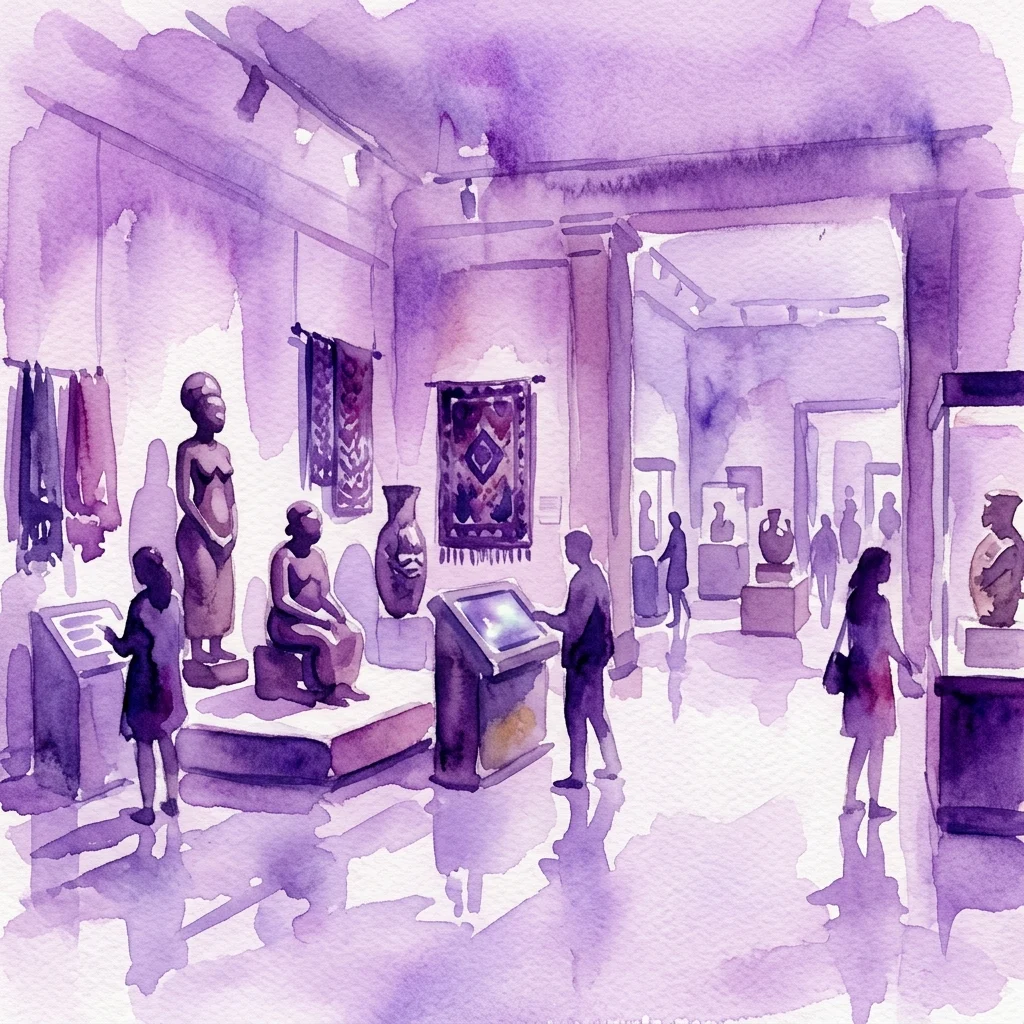
Watercolor illustration of a museum gallery featuring African and Asian artifacts, including sculptures, textiles, and interactive displays, with visitors exploring the exhibition.
Permanent exhibition

African Expeditions, Asian Ways Permanent Exhibition at National Museum of Ethnography Warsaw

Explore diverse cultural heritage from Africa and Asia through historical collections.

Immerse yourself in "African Expeditions, Asian Ways," a permanent exhibition in Warsaw. This display showcases nearly 1,300 objects revealing the rich material and spiritual cultures of Africa and Asia. Discover historical perspectives and unique artifacts across dedicated galleries.

African Expeditions, Asian Ways
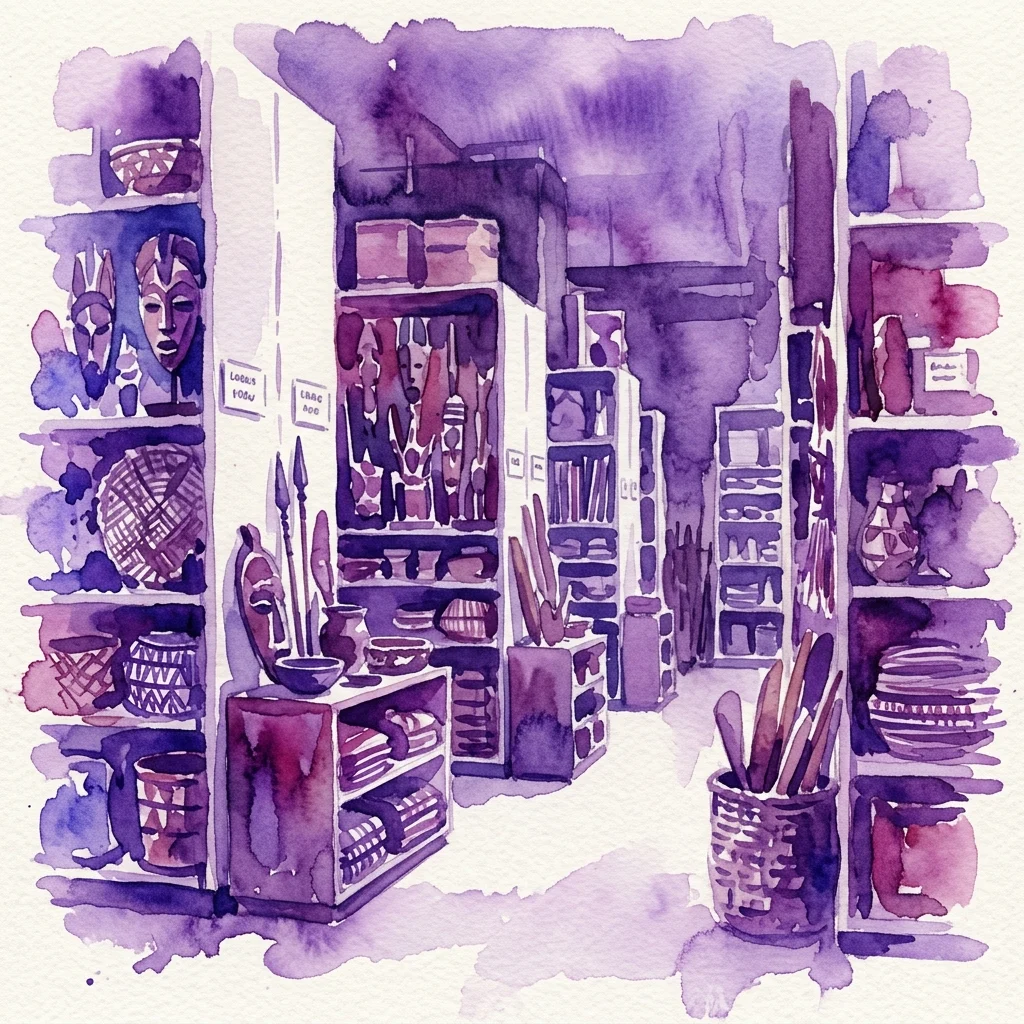
A watercolor illustration of a museum storage room with shelves filled with ethnographic artifacts, including masks, baskets, and tools, showcasing the organized collection of the Porządek Rzeczy exhibition.
Permanent exhibition

Explore Porządek Rzeczy: A Permanent Exhibition at the National Museum of Ethnography in Warsaw

Uncover hidden ethnographic tools and museum archiving from Warsaw's cultural past.

Step behind the scenes at the National Museum of Ethnography in Warsaw. This permanent exhibition reveals vast collections of traditional tools and artifacts, showcasing the intricate systems used to catalog and preserve cultural heritage. Engage with multimedia to learn more about these fascinating ethnographic objects.

Porządek Rzeczy Exhibition
A watercolor illustration of a museum gallery featuring African and Asian artifacts, including textiles, sculptures, and maps, with visitors exploring the exhibits.
Permanent exhibition

African Expeditions, Asian Roads: Ethnographic Heritage Exhibition in Warsaw

Discover cultural treasures from Africa and Asia permanently on display.

Explore the captivating 'African Expeditions, Asian Roads' exhibition at the National Museum of Ethnography in Warsaw. This permanent collection features almost 1,300 historical objects, revealing insights into the material culture of African and Asian civilizations. Learn about diverse cultural heritage through engaging displays.

African & Asian Roads
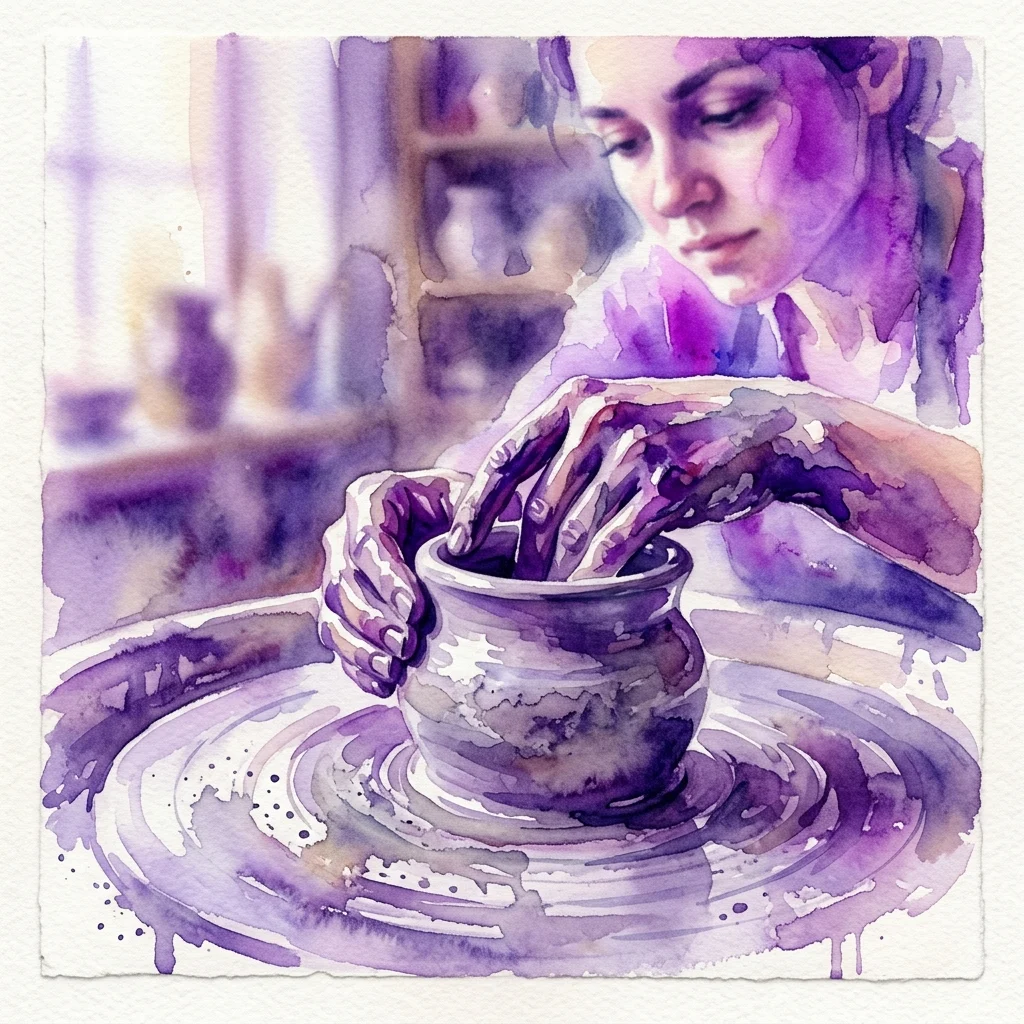
A watercolor illustration of a potter shaping clay on a wheel, with hands molding a vessel under soft light, evoking the artistry of ceramic creation.
Permanent exhibition

Glina, spiek, forma: Explore Permanent Clay & Ceramics Exhibition in Warsaw

Discover the material culture of Polish pottery and traditional craftsmanship.

Dive into the enduring legacy of clay at this permanent exhibition. Witness its transformation from raw earth to diverse ceramic forms, showcasing unique Polish pottery traditions and the cultural significance of material. This exploration of craftsmanship highlights local resources and human creativity.

Glina, spiek, forma
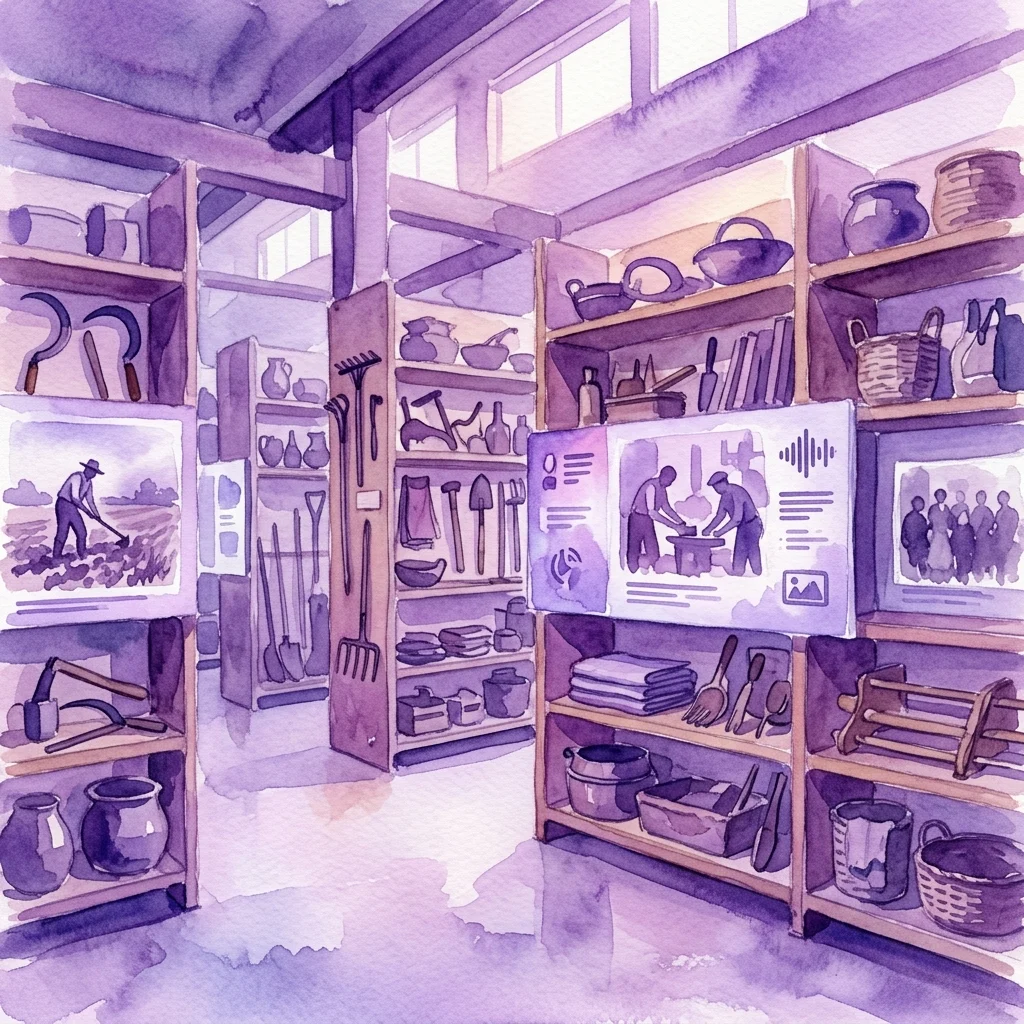
A watercolor illustration of a museum storeroom exhibition featuring shelves with historical tools, pottery, and baskets, with digital displays showing archival photos and audio recordings of traditional crafts.

Discover 'The Order of Things' Exhibition at the National Ethnographic Museum in Warsaw

Explore historical tools and crafts from a transformed museum collection storeroom.

This permanent exhibition in Warsaw transforms a collection storeroom into an engaging public space. Discover a meticulously ordered array of historical tools, crafts, and archival materials, enhanced by modern digital elements.

The Order of Things
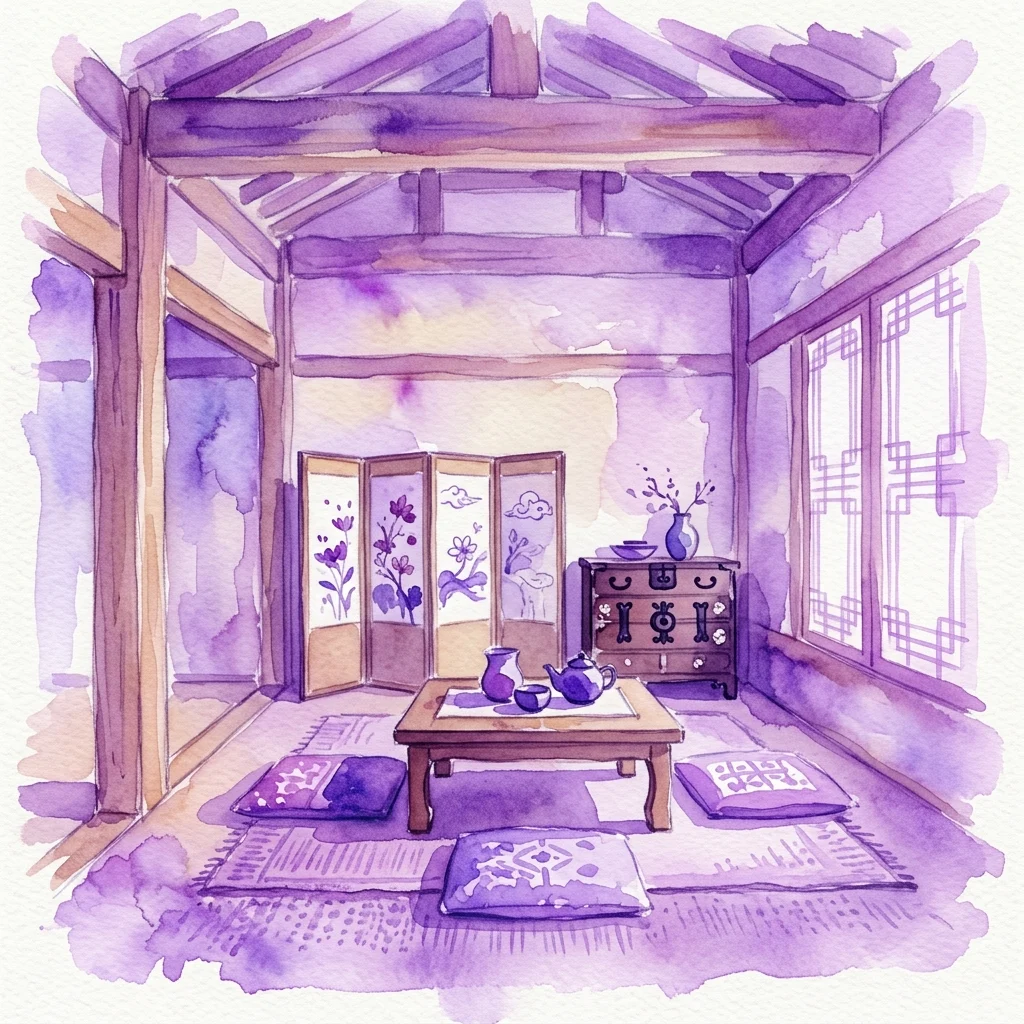
Watercolor illustration of a traditional Korean hanok interior with wooden furniture, a low table, cushions, and decorative screen, evoking cultural heritage and domestic life.

Korea Gallery: Traditional Korean Life and Design Exhibition in Warsaw

Discover the intricate cultural symbolism within a 'hanok' house.

This permanent exhibition recreates a traditional Korean 'hanok' house, showcasing the blend of historical and contemporary design. Delve into the cultural philosophies reflected in its architecture, furniture, and decorative arts. Explore the symbolic elements of good fortune and traditional life.

Korea Gallery Exhibition
Warsaw

Discover What's On: Find Current Exhibitions Across Warsaw's Cultural Scene

Explore diverse art, historical displays, and cultural shows in the capital.

Seamlessly browse through an array of captivating exhibitions throughout Warsaw. Easily pinpoint your next cultural adventure, from major art installations to insightful historical presentations. Find new and inspiring displays to enrich your visit.