The exhibition 'Kolej na Pragę' explores the historical significance of railways in the development of Warsaw's Praga district, from the first trains in the 19th century to their evolving role in modern sustainable transport. It showcases the stories of railway workers, passengers, and the infrastructure that shaped the area.
The exhibition 'Kolej na Pragę' delves into the transformative power of railways on the right-bank of Warsaw, particularly the Praga district. It covers the period from the introduction of the first railway lines in 1862 up to the last narrow-gauge train in 1974. The exhibition highlights the long-distance railways such as the Petersburg-Warsaw, Terespol-Warsaw, Vistula, and Orbital lines, as well as suburban lines like Jabłonowska and Marecka.
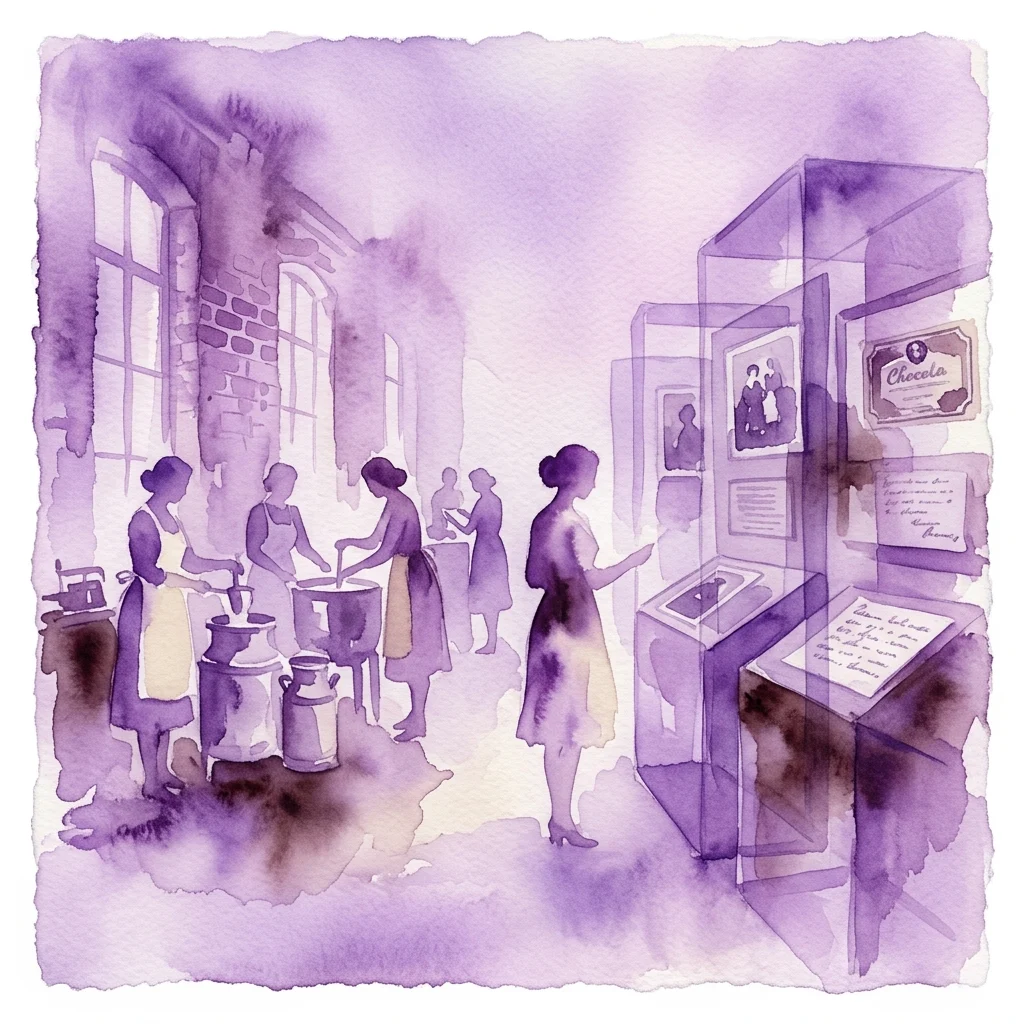
Visitors can expect to learn about historical stations, trains, the atmosphere of travel, and future perspectives on rail transport. The exhibition draws from the collections of the Museum of Warsaw, the Railway Museum, and the National Museum in Warsaw, featuring unique portraits, photographs, documents, travel trunks, and even unusual tickets. Interactive elements include an application for exploring the railway district of Nowe Bródno, passenger memories, and recorded stories from railway workers, including those from World War II. The exhibit also provides insights into the daily lives of railway personnel and passengers, with displays of period clothing, luggage, and recreated train compartments and waiting rooms. The final section looks towards the future, emphasizing the role of rail transport in sustainable mobility and its potential growth in Warsaw's urban development.