
Oxford
News

Conservation Detection Dogs at Science Oxford Centre

News from Science Oxford Centre

Discover how specially trained detection dogs are assisting ecologists in surveying and protecting great crested newts at the Science Oxford Centre. This unique conservation project demonstrates the power of canine smell in modern wildlife habitat assessment. Learn more about how the centre supports vital biodiversity research and training for local ecology students.

ConservationNatureResearchBiodiversity
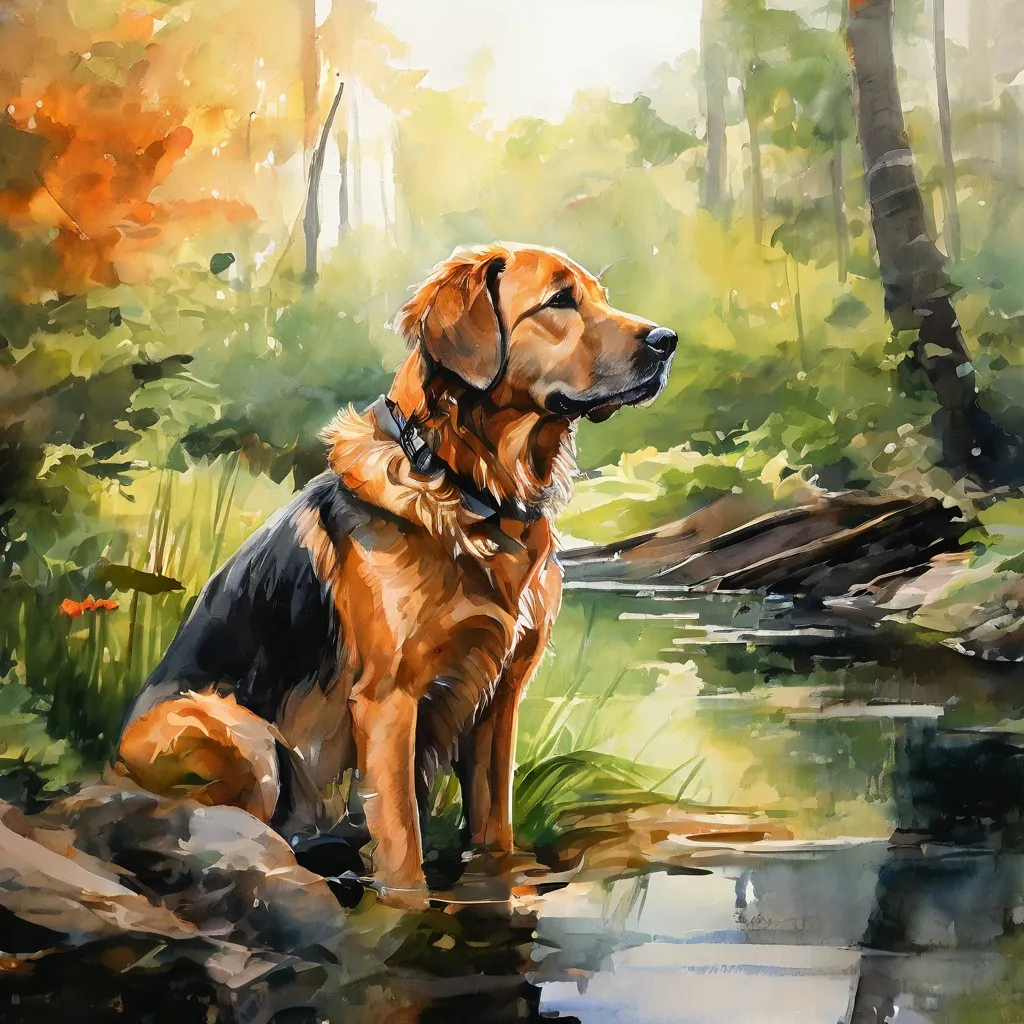
A trained detection dog in a woodland setting at the Science Oxford Centre.

Science Oxford Centre Welcomes Super-Sniffer Detection Dogs for Conservation Training

Visitors exploring the grounds of the Science Oxford Centre might occasionally cross paths with some very special four-legged conservationists. Highly trained detection dogs Jack and Keira regularly visit the woodland and pond habitats to hone their scent-tracking abilities, working alongside licensed ecologist Nikki Morton from Morph Ecological Consultants.

As part of ongoing great crested newt survey training led by Turnstone Ecology, these specialised dogs showcase how modern ecological methods blend with active habitat management. Because the centre provides a thriving natural environment for local wildlife, it serves as an ideal training ground for conservation teams and university students alike.

The Role of Conservation Detection Dogs in Local Habitats

With an exceptional sense of smell, specialised dogs can detect scents that remain entirely hidden to humans, locating newts buried beneath soil or concealed within dense ground cover. Handled carefully, these animals offer an alternative approach to traditional habitat surveys, helping professionals assess sites without causing disruption.

Great crested newts are strictly protected under UK legislation, meaning that disturbing them or handling them without the proper licensing is prohibited. Conservation dogs are trained not to chase or harm wildlife; instead, they simply lie down quietly by a scent site to signal their findings, waiting for a favorite toy as a reward. This non-invasive technique speeds up environmental assessments, reduces delays during planning processes, and supports accurate population monitoring.

Supporting Biodiversity at the Science Oxford Centre

The thriving amphibian populations found across the ponds reflect years of dedicated habitat care since the site opened. Alongside specialized dog training, ecologists utilize a range of assessment techniques—from environmental DNA sampling to traditional torching and bottle trapping demonstrations—to monitor regional ecosystem health.

While general visitors are asked to leave family pets at home to protect sensitive local wildlife, the grounds continue to serve as a vital regional hub for hands-on ecological education and regional conservation projects. To discover more cultural attractions, family activities, and regional spots, explore what else Musemap (musemap.art) has to offer, or browse the complete directory of museums in Oxford.

Related museum topics and stories from Science Oxford Centre in Oxford
Explore connected topics from this article
Use topics from "Conservation Detection Dogs at Science Oxford Centre" to discover related museum stories, film programs, and cultural events connected to Science Oxford Centre in Oxford.
Science Oxford Centregreat crested newtsconservation detection dogswildlife surveysecology research Oxfordbiodiversity projectsenvironmental educationhabitat protection
Related visitor FAQ for this news article
Helpful answers connected to this news topic
Browse quick visitor questions shown for this article, then open the full Science Oxford Centre FAQ page in Oxford to explore broader planning information.

What are conservation detection dogs?

Conservation detection dogs are specially trained animals that use their superior sense of smell to locate specific scents, such as protected wildlife species, to assist ecologists in habitat surveys.

Are dogs allowed at the Science Oxford Centre?

General visitor access with dogs is not permitted on-site to protect the local habitat. Detection dogs are only present by prior arrangement for authorized conservation and research purposes.

Why are great crested newts protected?

Great crested newts are protected under the UK Wildlife and Countryside Act 1981, making it illegal to intentionally kill, injure, disturb, or damage the habitats of this species.

How do detection dogs help with newt conservation?

They provide a non-invasive way to detect the presence of newts in dense habitats or underground, often proving faster and more accurate than traditional hand-searching methods.

Can I volunteer to work with the detection dogs?

The detection work is performed by licensed professionals. The Science Oxford Centre occasionally hosts educational sessions for ecology students, but does not offer public volunteer roles for this work.

About Science Oxford Centre in Oxford

Science Oxford Centre Overview

Interactive science & nature

ScienceNature

Let Musemap help you plan your next educational adventure in Oxford. The Science Oxford Centre is an ideal destination for interactive learning, combining science and nature in one unique setting. Be sure to explore other family-friendly cultural venues and green spaces across Oxford.

Open full Science Oxford Centre museum overview
Oxford

Find Museums in Oxford by Interest and Subject

Search historic collections and local heritage venues

Discover cultural attractions in Oxford matching your specific interests. Search university archives, art galleries, and historic landmarks to find the perfect destination for your next visit.

Explore Science Oxford Centre with Oxford
Guides, visitor info, and museum details in Oxford
Find everything about Science Oxford Centre in one place, including tickets, opening hours, current exhibitions, location details, visitor tips, nearby attractions, and the latest museum updates. Use these pages to plan your visit, discover what to see, and get practical information before you go.
Discover nearby museums similar to Science Oxford Centre in Oxford and plan your next cultural stop with confidence.
These recommendations prioritize real proximity to Science Oxford Centre and help you find high-fit alternatives faster across Oxford.
Use this curated list to compare museums near Science Oxford Centre without opening multiple search pages. Each card gives you fast visual context and direct access to key details so you can decide quickly. If you are building a full day in Oxford, this section helps you chain nearby visits with less planning effort.