This permanent exhibition at the Museum of Independence offers a detailed exploration of life within Pawiak prison during the German occupation (1939-1944). It showcases the daily routines, struggles, and resistance of prisoners, alongside broader historical context of the occupation and the Polish Underground State.
The permanent exhibition 'Everyday Life in Pawiak' (Dzień powszedni na Pawiaku) at the Museum of Independence provides an in-depth look at the history of the Pawiak prison during the German occupation from 1939 to 1944. The exhibition meticulously reconstructs the daily lives of prisoners, hour by hour, drawing on the memoirs of functionaries, preserved drawings, poems, diaries, and personal items.
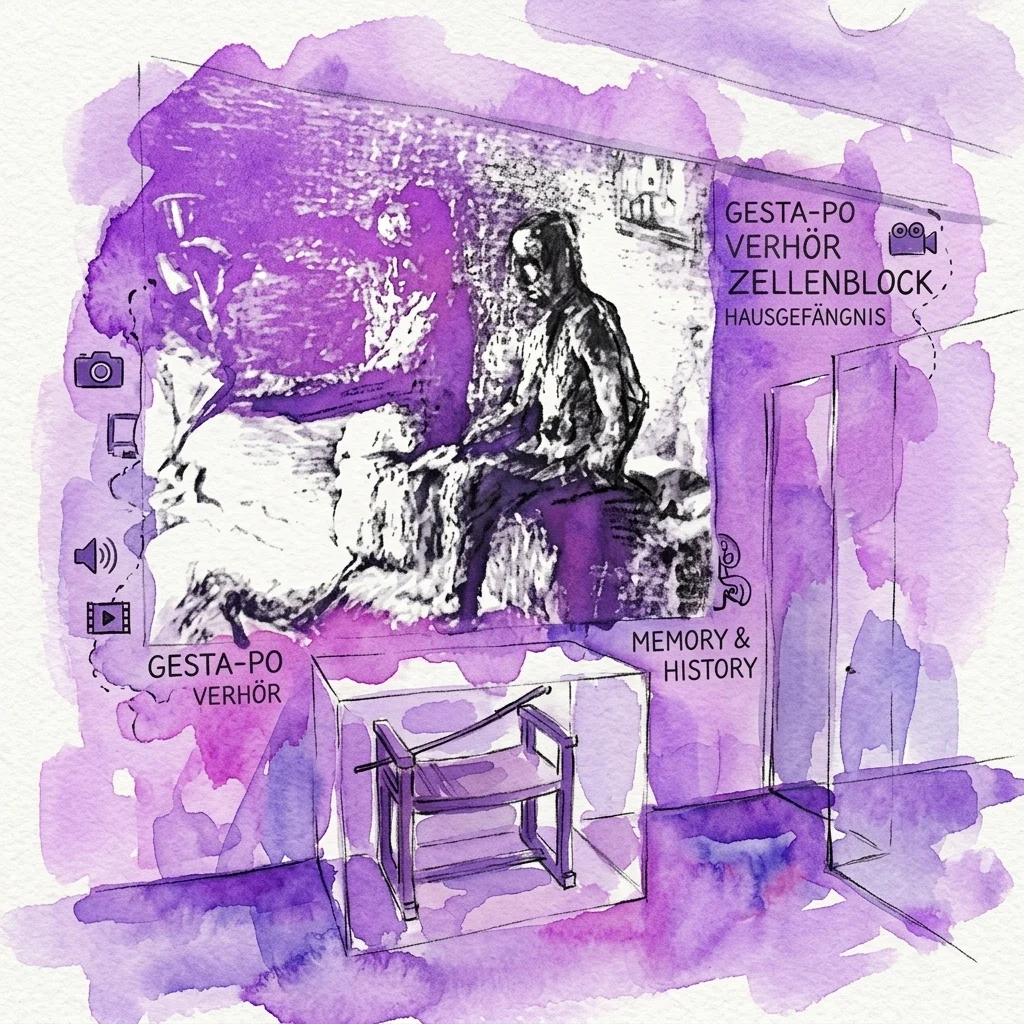
The exhibition is divided into several thematic sections. 'The Pawiak Tree Hall' commemorates the tree that survived the prison's destruction. The 'Relics and Ciphers Hall' allows visitors to listen to recordings of prisoners' messages alongside original artifacts. The 'Pawiak Day' section details the prison routine, while 'Let's Remember Their Faces' (opened in 2008) focuses on the individual fates of those murdered, using surviving photographs and testimonies. A reconstructed prison corridor and cells from Ward VII, including a death cell, offer a visceral experience of the prison environment, complete with original fittings. The main part of the exhibition covers the German occupation system, the Polish Underground State's activities, forms of resistance, and the prison's covert internal network. It features documents, icons, underground publications, posters, maps, sketches, and personal items created by prisoners. Large-format enlargements of works by Bronisław Wojciech Linke, including the drawing 'Return,' are prominently displayed. The exhibition also covers the prison's history from 1835 to 1939 as a political prison, detailing the fates of various Polish figures throughout different historical periods, and concludes with the liquidation transports, the Warsaw Uprising, the destruction of Pawiak, and the museum's opening in 1965.