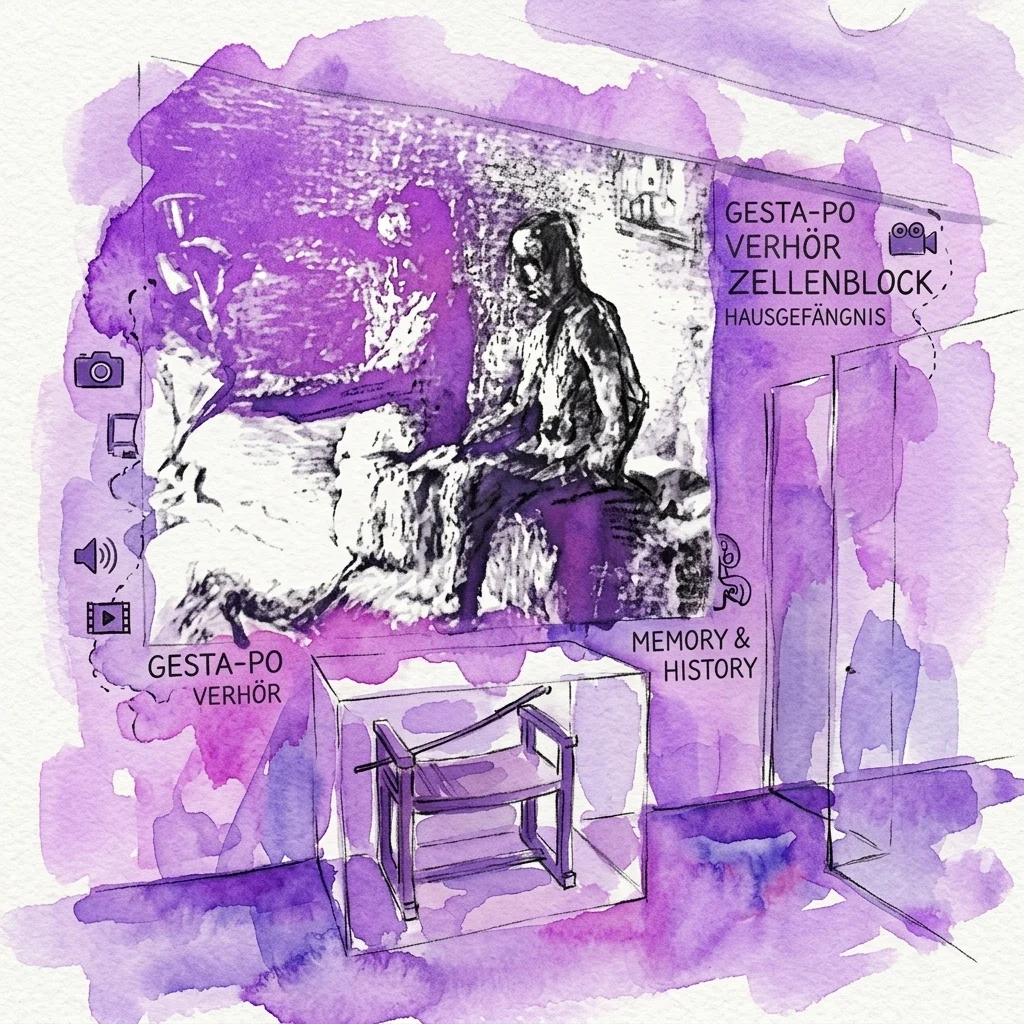
This permanent exhibition, housed in the reconstructed prison cells of the 10th Pavilion of the Warsaw Citadel, chronicles the Polish struggle for national liberation and social transformation during the partitions. It focuses on the individuals imprisoned here, their activism in independence movements from the 1830s to 1918, and the broader context of Siberian exile, including works by painter Aleksander Sochaczewski.
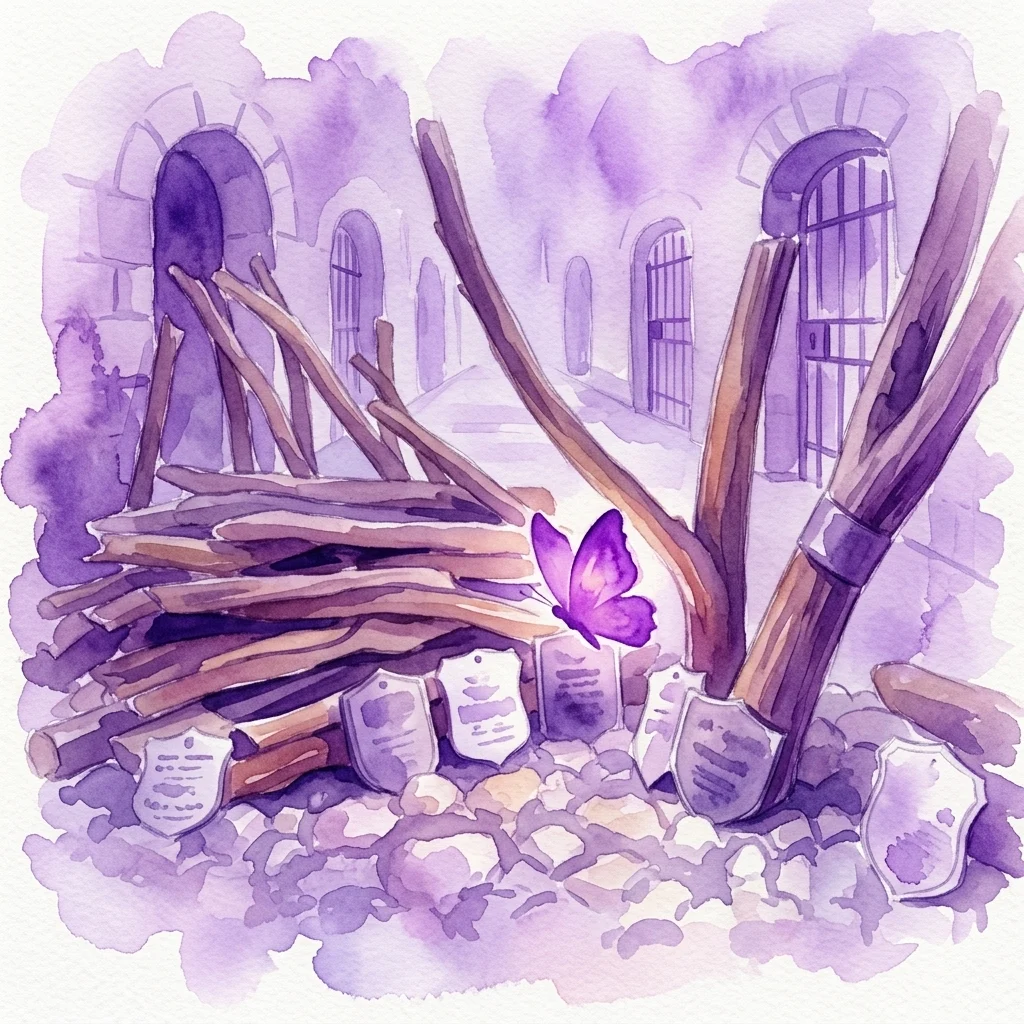
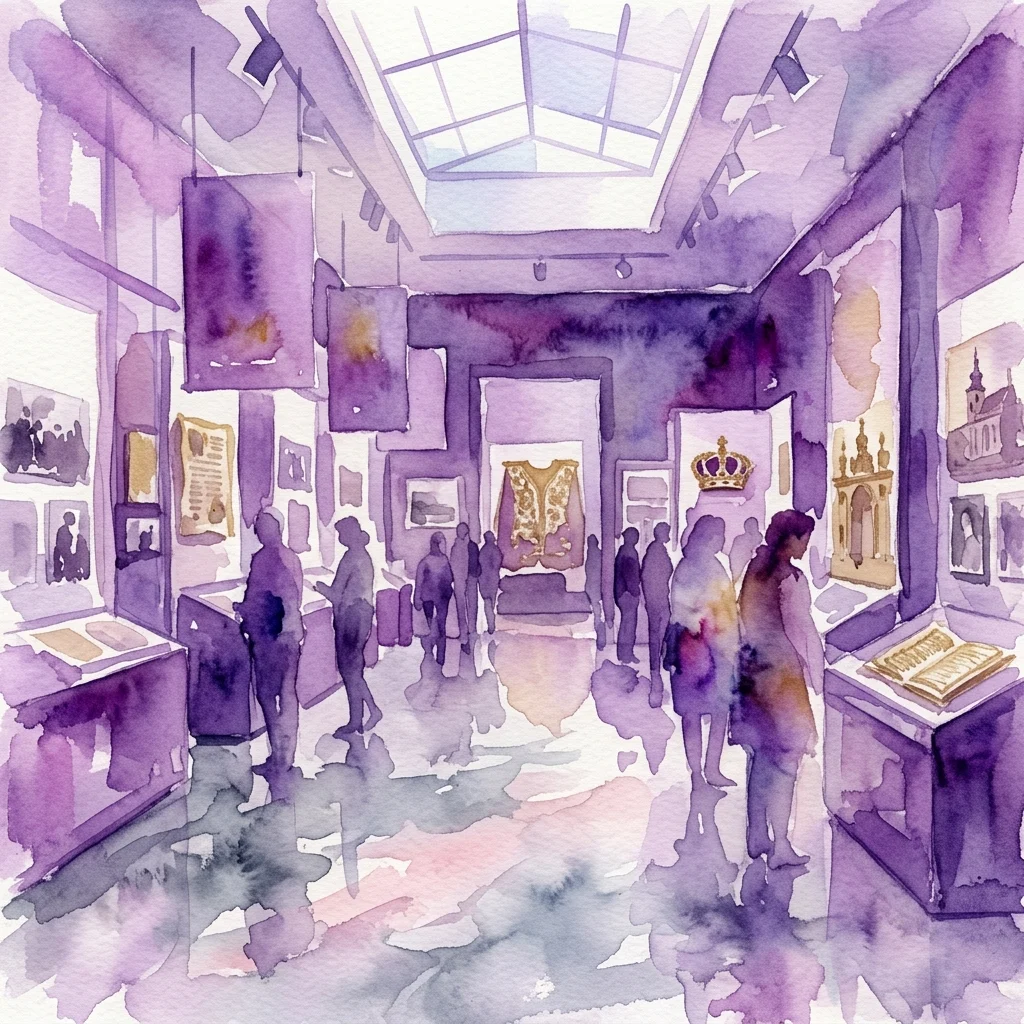
The permanent exhibition 'Prisoners of the 10th Pavilion of the Warsaw Citadel' is situated within the authentically recreated interiors of the prison. It traces the historical narrative of Polish struggles for national liberation and social change during the partition era. The exhibition presents profiles of individuals incarcerated at the site, highlighting their involvement in clandestine independence activities and organizations from the 1830s until Poland regained its independence in 1918. The display includes archival materials from Tsarist repressive authorities, such as prison, investigative, and court documents, alongside periodicals, leaflets from various organizations, photographs of prominent prisoners, personal mementos, artifacts, and artworks. It also features the personal cells of many distinguished Poles who were imprisoned there.
The exhibition also addresses the martyrology of Poles in Siberia during the partition period, notably through a collection of works by the painter and Siberian exile Aleksander Sochaczewski, himself a former prisoner of the 10th Pavilion. The surrounding area of the 10th Pavilion is also integral to the exhibition's narrative, encompassing the former prison courtyard where inmates exercised, the execution route, and the Execution Gate through which condemned prisoners were led. Two significant execution sites are memorialized: one on the slopes above the Vistula River for activists of the Polish workers' movement, particularly participants of the 1905-1907 revolution, marked by a symbolic cemetery of those executed, and another south of the Citadel, the site where insurgents of the January Uprising, including members of the National Government led by Romuald Traugutt, were executed.